

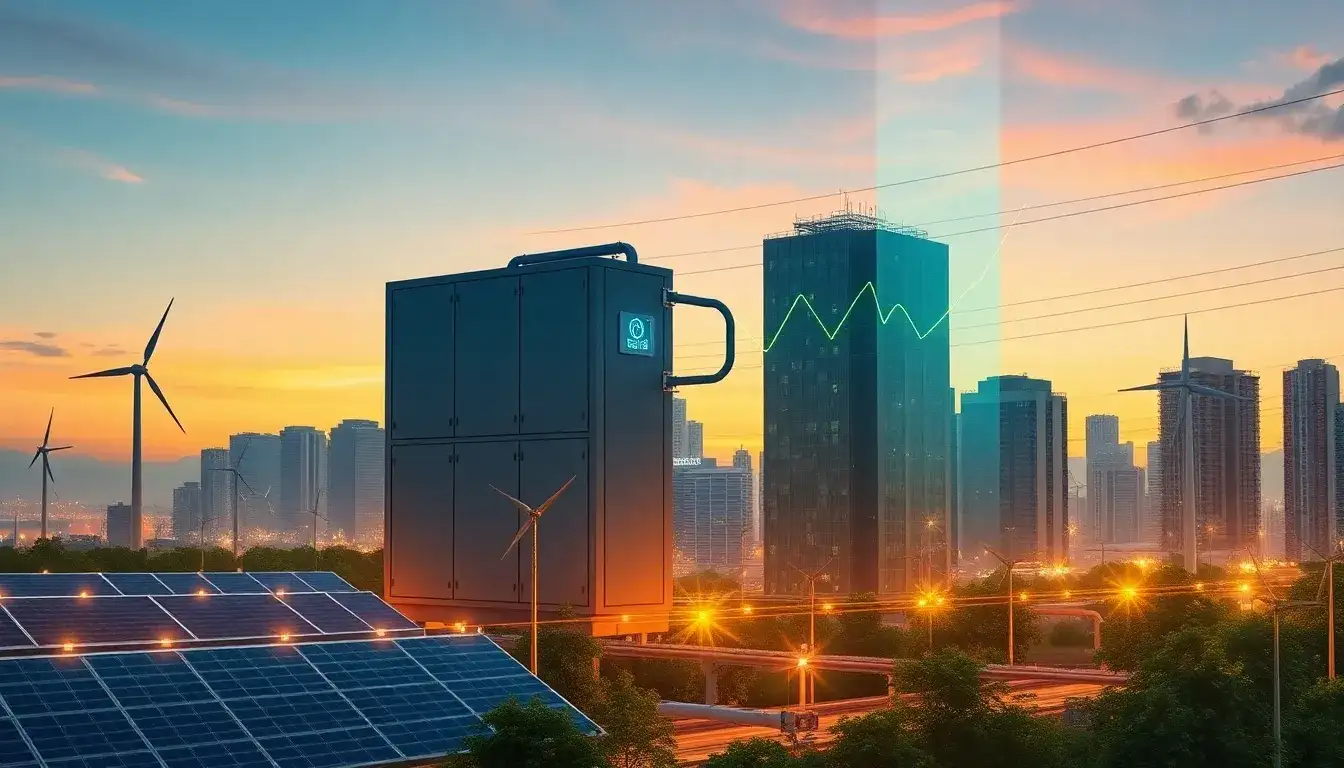
Battery Energy Storage Systems (BESS) significantly contribute to peak shaving by efficiently managing electricity demand during high-usage periods. Here’s how they help:
Contribution to Peak Shaving
- Storage and Release of Energy: BESS store energy during off-peak hours when the electricity demand is low and release it during peak hours when demand is high. This reduces the strain on the electrical grid by providing an alternative source of power when needed most.
- Cost Savings: By using stored energy during peak periods, consumers can avoid drawing electricity from the grid at expensive peak tariffs, thus reducing their electricity bills and demand charges. This is particularly beneficial for industries and businesses subject to high demand charges.
- Grid Stability: BESS help stabilize the power grid by reducing sudden spikes in electricity demand. This is crucial for maintaining grid reliability, especially with the increasing integration of variable renewable energy sources.
- Efficiency and Flexibility: BESS offer quick response times, allowing them to rapidly adjust to changes in demand and supply. This flexibility makes them ideal for managing peak shaving, especially when combined with on-site generation or renewable energy systems.
- Renewable Energy Management: By storing excess energy generated from renewable sources like solar or wind, BESS can optimize self-consumption of renewable energy. This not only helps reduce reliance on the grid during peak times but also enhances the overall efficiency of renewable energy systems.
In summary, BESS are crucial for peak shaving as they provide a cost-effective, flexible, and reliable method to manage energy demand, ensuring grid stability and optimizing energy consumption.
Original article by NenPower, If reposted, please credit the source: https://nenpower.com/blog/how-do-battery-energy-storage-systems-bess-contribute-to-peak-shaving/

