

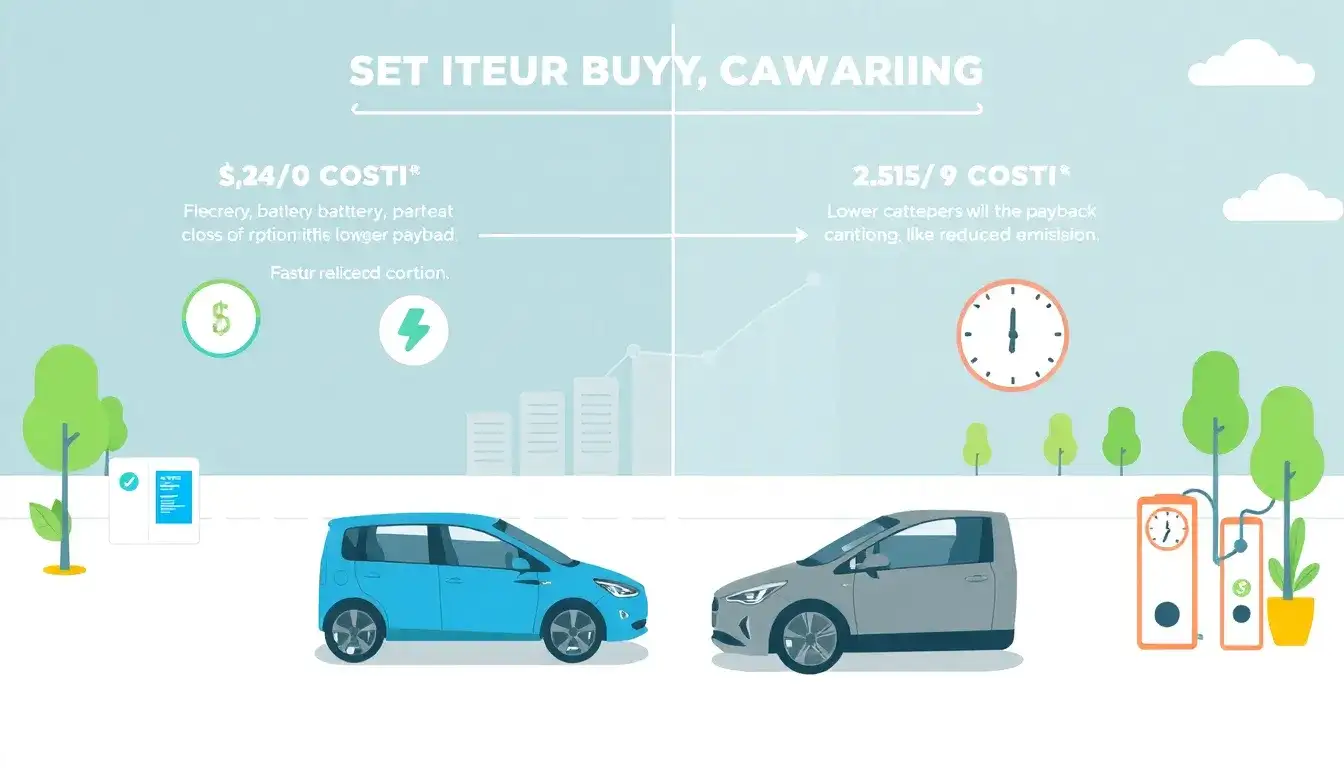
Impact of Battery Costs on EV Payback Period
- Reduction in Battery Costs: Lower battery prices directly reduce the initial cost of purchasing an EV. As battery costs decrease, the total cost of an EV becomes more competitive with internal combustion engine (ICE) vehicles. This reduction in initial cost shortens the payback period because EVs offer savings through lower operating costs, such as electricity instead of fuel.
- Current Trends: By 2025, battery prices are expected to drop to around $99/kWh, and by 2026, they could fall further to about $80/kWh, marking a significant decrease from previous years. This trend is crucial for achieving cost parity between EVs and ICE vehicles, which accelerates the payback period for EVs.
- Payback Period for EVs: Studies show that, on average, EVs can pay for themselves within 3 to 5 years, depending on factors like annual mileage and local electricity costs. This window can shrink as battery prices decline.
- Second-Life Batteries: For second-life battery applications, such as energy storage systems, reducing battery costs can also shorten the payback period. Rightsizing systems for residential use and applying subsidies can further reduce payback times.
Overall, decreases in battery costs make EVs more affordable upfront, decrease the payback period through cost savings, and can make second-life battery applications more viable economically.
Original article by NenPower, If reposted, please credit the source: https://nenpower.com/blog/how-do-battery-costs-influence-the-payback-period-for-evs/

