

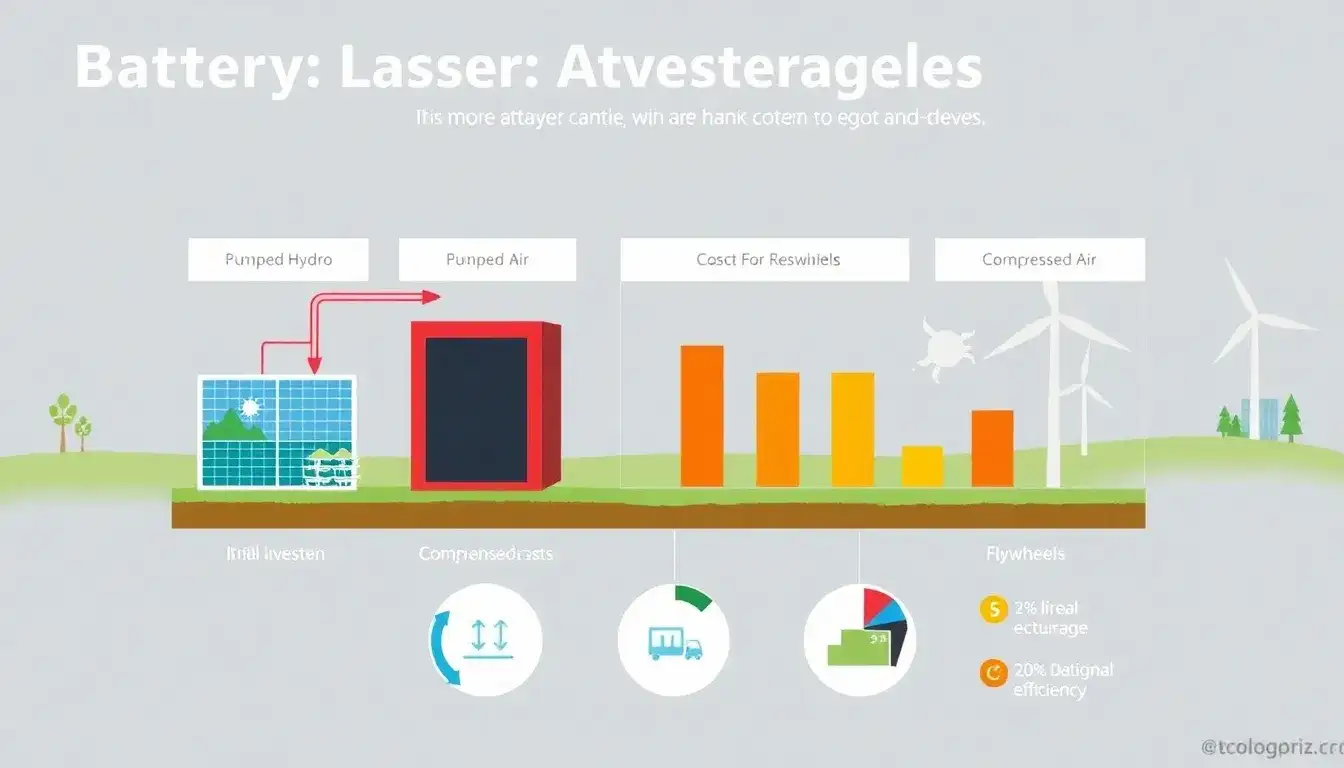
Battery-based Energy Storage Systems
Battery-based energy storage systems, particularly lead batteries and lithium-ion batteries, offer different levels of cost-effectiveness compared to other storage technologies. Here’s a comparison focusing on these systems:
Key Battery-Based Systems
1. Lead Batteries
- Cost-Effectiveness: Lead batteries are currently the most cost-effective option for energy storage. They have a lower upfront cost, typically between $150-$200/kWh, making them more affordable than other technologies like lithium-ion.
- Advantages: Established technology, economically viable, and domestically sourced in many regions.
2. Lithium-Ion Batteries
- Cost-Effectiveness: Lithium-ion batteries, though more expensive upfront ($482/kWh in 2022), are seeing rapid cost reductions. By 2030, costs are projected to decrease significantly, potentially reaching $159/kWh in low-cost scenarios.
- Advantages: High energy density, long lifespan, and rapid technological improvements leading to cost reductions.
Other Energy Storage Technologies
1. Pumped Hydro Storage (PHS)
- Cost-Effectiveness: PHS systems are one of the most cost-effective forms of long-duration energy storage but require specific geographical conditions.
- Advantages: High capacity storage, efficient, and long-lived.
2. Flywheel Energy Storage
- Cost-Effectiveness: Generally less cost-effective than batteries for long-term storage, but suitable for short-term power quality applications.
- Advantages: Fast response times and high efficiency for short-duration power smoothing.
3. Thermal Energy Storage
- Cost-Effectiveness: Often competitive for specific applications like space heating or cooling.
- Advantages: Can be efficient and cost-effective for thermal applications, especially in industries requiring heating or cooling.
4. Sodium-Sulphur (NAS) Batteries and Flow Batteries
- Cost-Effectiveness: These are emerging technologies with improving cost-effectiveness but are generally more expensive than traditional lead batteries.
- Advantages: NAS batteries offer long-duration storage, and flow batteries provide scalable capacity based on tank size.
Summary
- Lead batteries are the most cost-effective option for the present.
- Lithium-ion batteries are rapidly becoming more cost-effective with technological advancements.
- Other technologies like PHS, flywheel, thermal, NAS, and flow batteries each have niche applications where they might be the most cost-effective choice depending on specific needs and conditions.
In conclusion, the cost-effectiveness of battery-based energy storage systems varies depending on the technology, application, and geographical conditions. While lead batteries currently offer the lowest costs, lithium-ion batteries are expected to continue reducing in price, making them increasingly competitive.
Original article by NenPower, If reposted, please credit the source: https://nenpower.com/blog/how-do-battery-based-energy-storage-systems-compare-to-other-types-in-terms-of-cost-effectiveness/

