

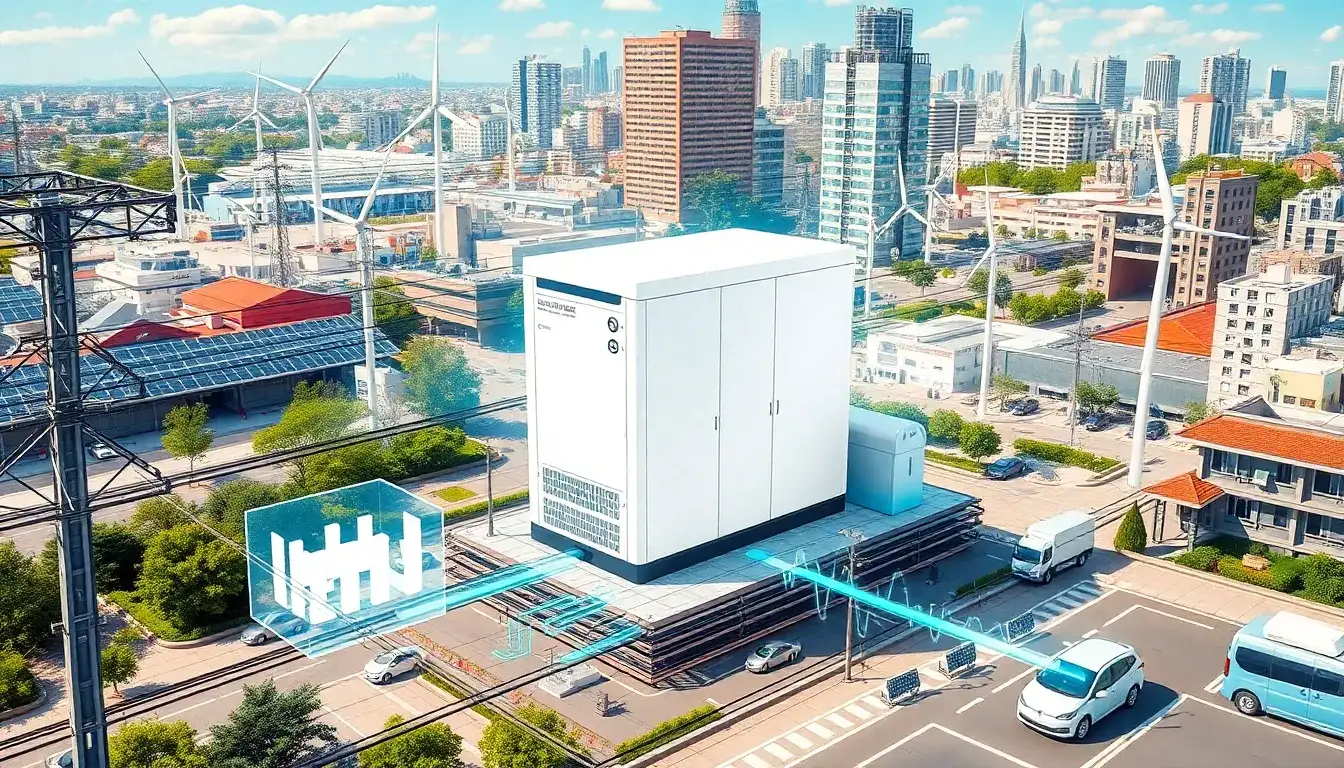
Batteries reduce peak demand charges primarily by smoothing or “shaving” the spikes in electricity use that cause high demand charges. Here’s how they specifically achieve this:
Mechanism of Reducing Peak Demand Charges with Batteries
- Peak Shaving Through Energy Storage: Batteries store electricity during off-peak hours when demand and electricity rates are low. Then, during peak demand periods—when electricity consumption spikes and demand charges are highest—batteries discharge the stored energy to supply power locally, reducing the amount drawn from the grid. This flattens the customer’s load profile and lowers the peak demand recorded by the utility, which directly reduces demand charges.
- Load Smoothing: By discharging stored energy during peak load times, batteries help to smooth out sharp spikes (e.g., from electric vehicle charging or industrial equipment), creating a more consistent and lower peak demand level. This prevents sudden surges that increase demand charges on the utility bill.
- Dynamic Dispatch in Aggregation Programs: Utilities or virtual power plants may aggregate many distributed batteries and dispatch them during peak hours to avoid reliance on expensive peaker power plants. This collective battery use reduces peak grid demand and the related charges passed on to consumers participating in such programs.
- Energy Management and Demand Response: Integrated battery systems can be part of intelligent load management strategies, dynamically balancing power usage and shifting consumption away from peak hours. Batteries, combined with smart charging or load management, help maintain energy demand within optimal limits, thereby reducing peak demand charges.
- Charging Batteries Off-Peak: Batteries are typically charged when electricity demand and rates are low (off-peak), so their charging does not increase peak demand charges. They then discharge during high-demand periods, offsetting expensive grid consumption.
Summary Table
| Battery Role | Effect on Peak Demand Charges |
|---|---|
| Charge batteries off-peak | Avoids increasing peak demand charges |
| Discharge during peak times | Lowers grid power drawn during peak, reducing peaks |
| Smooths spikes in consumption | Creates flatter load profile, reducing spikes |
| Part of virtual power plants | Aggregated dispatch reduces system-wide peaks |
| Supports smart load management | Dynamically controls load to avoid demand surges |
In essence, battery energy storage reduces peak demand charges by strategically charging when rates are low and discharging during peak periods to shave demand spikes, producing cost savings on utility bills for commercial, industrial, and increasingly residential customers.
Original article by NenPower, If reposted, please credit the source: https://nenpower.com/blog/how-do-batteries-specifically-reduce-peak-demand-charges/

