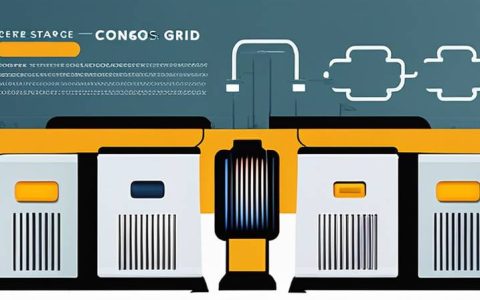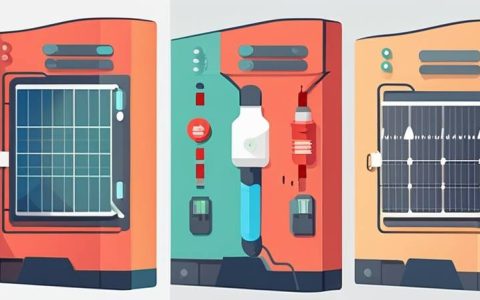
Batteries play a crucial role in balancing renewable energy sources with grid demand, addressing the intermittency of solar and wind power by providing flexibility and stability to the grid. Here’s how they do it:
Balancing Intermittent Energy Sources
- Short-term Fluctuations: Batteries can respond rapidly to short-term variations in renewable energy output and grid demand, helping to stabilize the grid by charging during periods of excess renewable energy and discharging during periods of high demand.
- Real-time Grid Support: With their fast response times, batteries can provide grid services such as frequency regulation and peak shaving. They can absorb excess energy when supply exceeds demand and release it when needed, ensuring grid stability.
- Avoiding Traditional Peaks: By storing energy during off-peak hours for use during peak times, batteries reduce the reliance on traditional peaker plants (often powered by fossil fuels), making the grid more sustainable and less reliant on polluting sources.
Grid Support Capabilities
- Grid Stability Services: Batteries can offer black start capabilities, peaking capacity, and operating reserves, enhancing grid resilience during outages and emergencies.
- Energy Storage for Renewable Integration: They help integrate more variable renewable sources like solar and wind into the grid, balancing out their fluctuating output to meet consistent demand.
- Reducing Peak Demand Charges: Commercial and industrial users can benefit from storing energy during cheaper off-peak hours and using it during expensive peak times, reducing their energy costs.
Impact on Renewable Energy Integration
Batteries are crucial for increasing the share of renewable energy sources in the grid. As renewable energy grows, so does the need for flexible storage to manage its variability. This integration supports a transition to cleaner energy systems by ensuring reliable power supply even when solar or wind output is low.
In summary, batteries help balance renewable energy sources with grid demand by providing short-term flexibility, supporting grid stability, and enabling the integration of more renewable energy into the grid without compromising reliability or performance.
Original article by NenPower, If reposted, please credit the source: https://nenpower.com/blog/how-do-batteries-help-balance-renewable-energy-sources-with-grid-demand/