

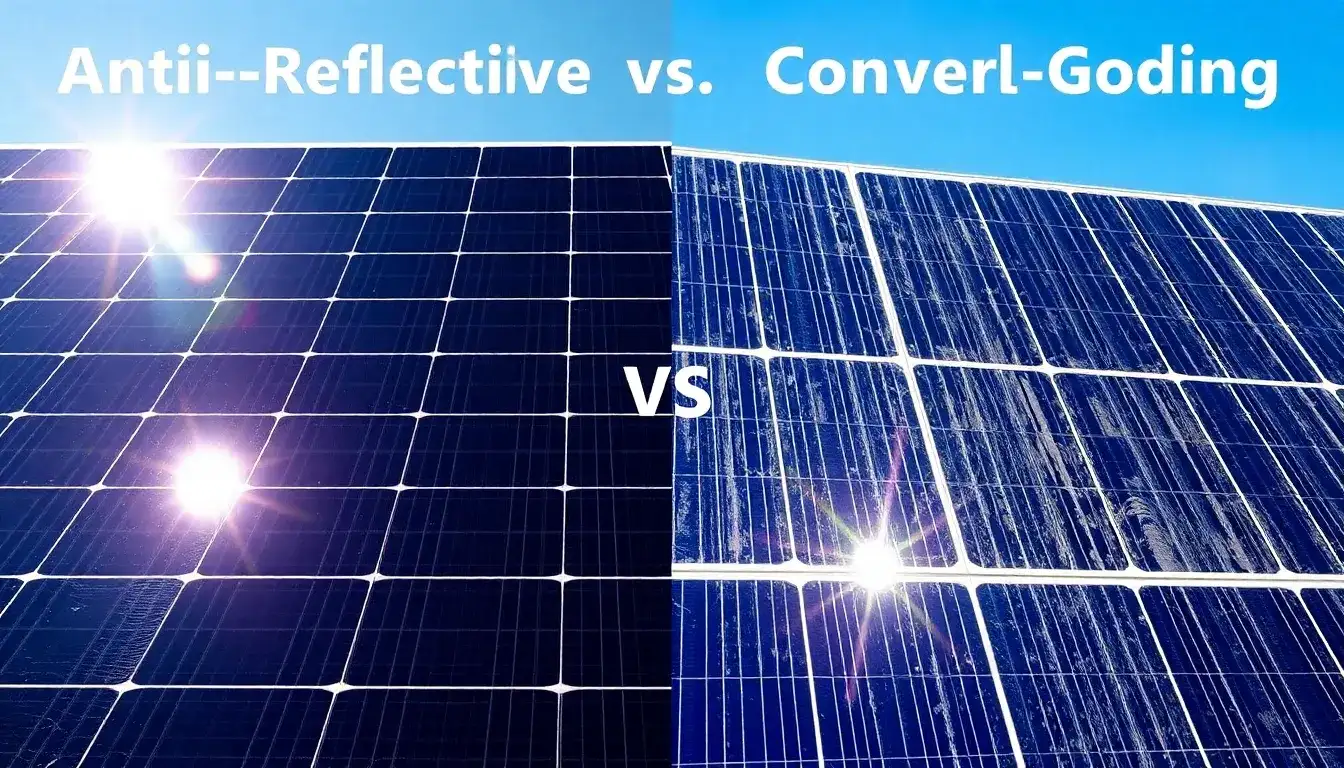
Anti-reflective (AR) coatings on solar panels are designed primarily to increase light transmission and improve photovoltaic efficiency by reducing reflection losses. When compared to other types of solar panel coatings, AR coatings exhibit distinct attributes regarding durability:
Durability of Anti-Reflective Coatings
- General Durability and Weathering Resistance: Studies have shown that AR coatings, particularly sol-gel types applied to glass or embossed acrylic treatments, maintain their optical properties well under exposure to simulated solar irradiance, various temperatures, and relative humidity conditions. Outdoor and accelerated aging tests indicate only minor changes in spectral transmittance over time, suggesting good durability under real-world environmental stresses.
- Abrasion Sensitivity: AR coatings are typically very thin (around 100 nm) and somewhat porous, making them susceptible to mechanical abrasion. Abrasion from cleaning with hard brushes can thin the coating, causing increased reflectance and potential discoloration, which can slightly reduce efficiency. Laboratory abrasion tests simulating decades of cleaning cycles show only minimal performance degradation (around 2.6% decline in optical properties after 1,500 abrasion cycles), indicating reasonable durability if proper cleaning methods are used.
- Water and Organic Contamination: Silica-based AR coatings can adsorb water and interact with organic materials such as pollen, leading to temporary discoloration or “rainbow” effects, particularly where water stagnates on the panel surface. This can reduce anti-reflective effectiveness but tends to be reversible under sunlight exposure or high temperatures.
- Operational Lifetime: Reviews indicate that the useful lifetimes of AR coatings currently range under 8 years before performance may degrade noticeably. Despite this, manufacturers often provide 25-year warranties on PV modules, implying that current AR coatings may require renewal or reapplication to maintain optimal performance over the module’s lifetime.
- Anti-Soiling and Hydrophobic Properties: Traditional AR coatings are hydrophilic, potentially leading to increased dust and soiling accumulation that offsets their efficiency gains. There is a recognized need to develop multifunctional AR coatings integrating hydrophobic and anti-soiling features to improve durability and reduce maintenance. Some advanced coatings also show improved resistance to soiling and better cleaning durability, which can extend their effective operational life.
Comparison With Other Types of Solar Panel Coatings
| Feature | Anti-Reflective Coatings | Hydrophobic / Protective Coatings (e.g., Diamon-Fusion®) | Other Functional Coatings |
|---|---|---|---|
| Primary Function | Reduce reflection, increase light absorption | Repel water, reduce dirt accumulation, protect surface | Various (e.g., anti-soiling, UV protection) |
| Durability to Abrasion | Moderate; susceptible to damage with harsh cleaning but relatively durable with soft methods | High; hydrophobic coatings resist abrasion better | Varies depending on coating type |
| Resistance to Weathering | Good under normal conditions; some discoloration possible from water/organic contaminants | Excellent UV and moisture resistance | Depends on specific coating |
| Maintenance Needs | Requires careful cleaning to avoid abrasion and water stagnation effects | Reduces cleaning frequency due to water repellency and self-cleaning effect | Varies |
| Typical Lifespan | Around 5–8 years before performance declines | Generally longer, potentially matching module lifetime | Varies, often designed for long-term protection |
| Effect on Efficiency | Improves by reducing reflection and increases energy yield | Indirectly improves efficiency by keeping panels cleaner longer | Enhances panel longevity and performance stability |
Summary
Anti-reflective coatings for solar panels offer significant efficiency benefits by increasing light transmission and reducing reflectance. They demonstrate good durability under environmental and accelerated testing but are somewhat vulnerable to abrasion and water-related discoloration due to their thin and porous nature. Their typical effective lifespan is under 8 years, shorter than the module warranties, implying the need for careful maintenance and eventual refurbishment.
Compared to hydrophobic and other protective coatings designed primarily to shield panels from dirt, moisture, and UV damage, AR coatings are less mechanically robust but critical for optical performance. Emerging research and development emphasize creating multifunctional coatings that combine anti-reflective properties with enhanced durability, anti-soiling, and hydrophobicity to extend coating longevity and reduce maintenance costs.
Thus, while other coatings may offer greater physical durability and protection, AR coatings remain essential for maximizing solar panel output, albeit requiring more careful handling and periodic maintenance to sustain their benefits over time.
Original article by NenPower, If reposted, please credit the source: https://nenpower.com/blog/how-do-anti-reflective-coatings-compare-to-other-types-of-solar-panel-coatings-in-terms-of-durability/

