

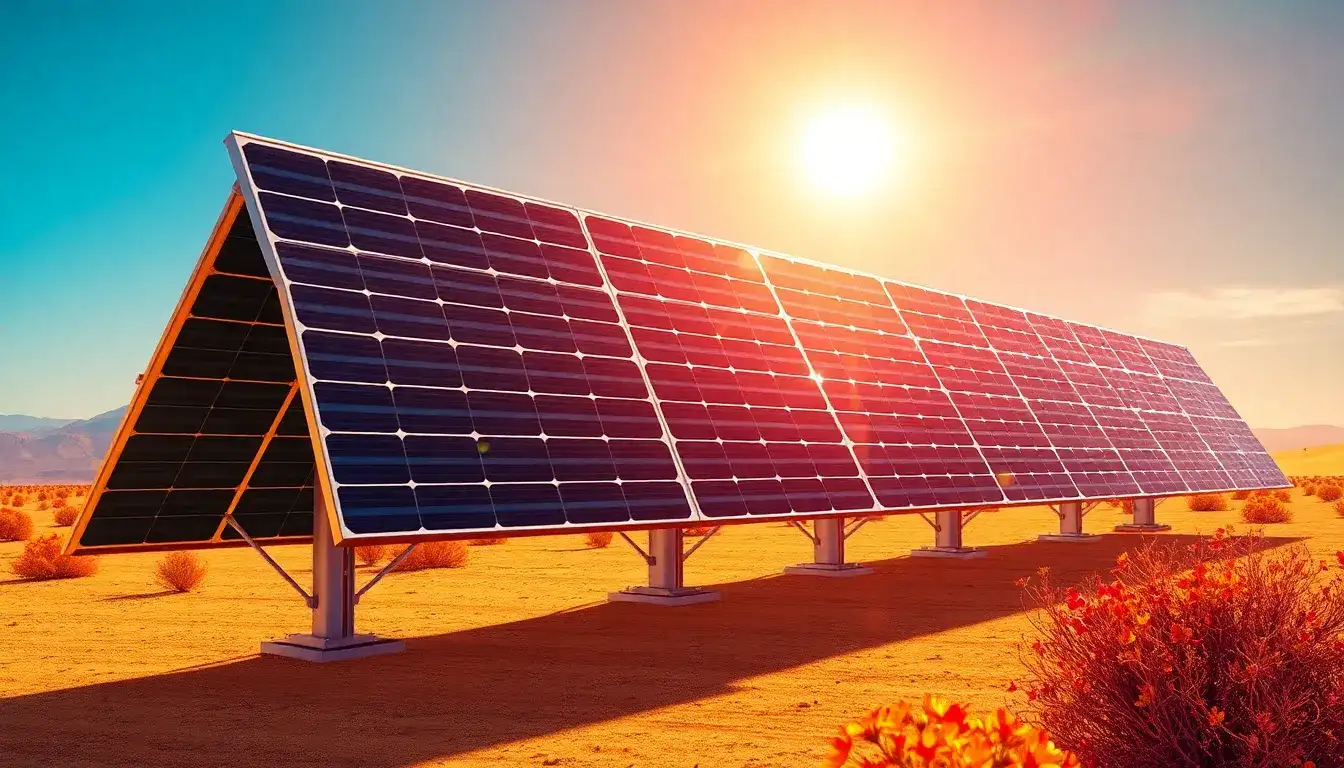
Effect of Anti-Reflective Coatings on Solar Panel Durability in High-Temperature Regions
Overview of Anti-Reflective Coatings
Anti-reflective (AR) coatings are applied to the glass surfaces of solar panels to reduce reflection, increasing the amount of light absorbed by the panel’s solar cells. This enhances energy conversion efficiency and output, particularly beneficial in low-light conditions. Common materials for AR coatings include silicon nitride and titanium dioxide.
Durability Considerations
- Abrasion and Cleaning: AR coatings are susceptible to abrasion during cleaning, which can lead to reduced effectiveness and discolouration. Using soft cleaning tools and avoiding harsh brushes is crucial to maintain coating integrity.
- Water Stagnation and High Humidity: Silica-based AR coatings can adsorb water, affecting their refractive index and reducing their anti-reflective properties. High temperatures can mitigate this issue by drying the coating.
- Temperature Impact: High temperatures can indirectly affect AR coating durability by increasing the rate of drying after water exposure. However, direct thermal stability is generally robust for these coatings.
- Soiling Resistance: Some research suggests incorporating hydrophobic properties into AR coatings to enhance durability by reducing water adhesion and soiling issues, which are more pronounced in high-soiling environments.
Benefits in High-Temperature Regions
- Efficiency Enhancement: AR coatings improve solar panel efficiency, which is particularly advantageous in regions with intense solar irradiance.
- Reduced Maintenance: Coatings like Diamon-Fusion offer UV resistance and hydrophobic properties, reducing the need for frequent cleaning and maintaining efficiency over time.
Challenges and Future Directions
While AR coatings enhance solar panel performance, their durability can be limited by environmental factors. Research focuses on improving coating resistance to abrasion, moisture, and soiling to extend their effective lifespan beyond 5 to 8 years in challenging environmental conditions.
Conclusion
Anti-reflective coatings significantly enhance the performance of solar panels in high-temperature regions by boosting light absorption. However, they require careful handling and maintenance to prevent premature degradation. Future advancements in coating materials and technologies aim to improve durability and multifunctionality.
Original article by NenPower, If reposted, please credit the source: https://nenpower.com/blog/how-do-anti-reflective-coatings-affect-the-durability-of-solar-panels-in-high-temperature-regions/

