

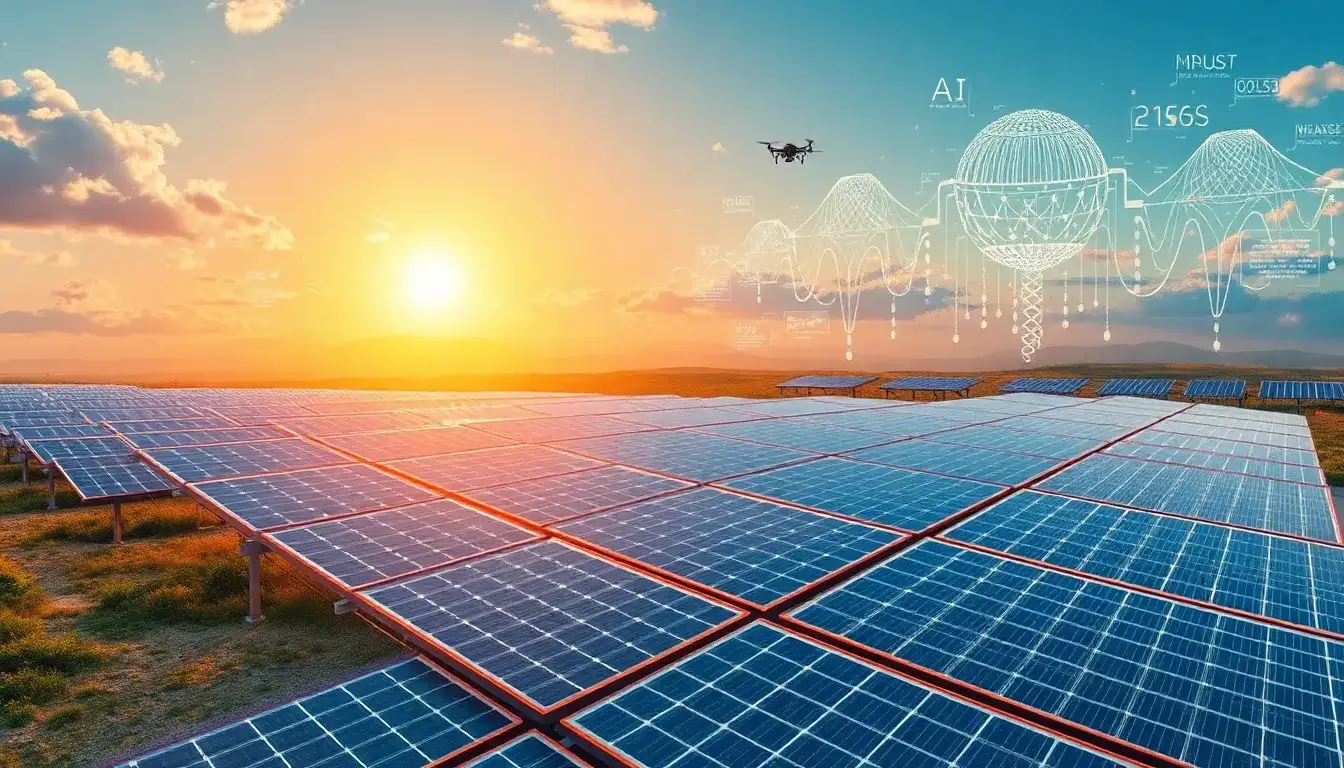
How AI Predicts Weather for Solar Tracking
- Integration of Real-Time Weather Data: AI systems gather and process large volumes of current environmental data such as cloud cover, temperature, wind speed, humidity, and solar irradiance. This data is crucial for understanding immediate weather conditions affecting solar panels.
- Historical Data Analysis and Pattern Recognition: Machine learning models are trained on decades of historical weather and solar activity data to identify patterns and trends. For solar tracking, this can include predicting cloud movements, solar intensity variations, and extreme weather events like storms that might impact solar energy generation.
- Forecasting Solar Activity and Extreme Weather: AI can also predict space weather events such as solar storms by analyzing solar flare activity and coronal mass ejections (CMEs) from the sun. Predicting these events helps adjust solar tracking and protect solar systems from geomagnetic disturbances.
How AI Optimizes Solar Tracking Using Weather Predictions
- Dynamic Adjustment of Solar Panel Angles: Using AI-driven weather forecasts, solar tracking systems can proactively adjust the orientation of solar panels to maximize exposure to sunlight. For instance, on partly cloudy days, AI can anticipate cloud positions and adjust panels to capture the most direct sunlight possible.
- Energy Yield Optimization Under Variable Conditions: AI algorithms optimize solar tracking even during suboptimal weather, such as cloudy or overcast days, leading to energy gains of several percentage points compared to conventional tracking systems.
- Protection and Management During Extreme Weather: By predicting adverse weather conditions ahead of time, solar systems can be repositioned or temporarily shut down to prevent damage and maintain long-term performance.
- Computational Efficiency: AI-powered weather predictions require less computational energy and human intervention compared to traditional numerical weather models, making real-time optimization more feasible and scalable.
In summary, AI algorithms combine machine learning on historical and real-time weather data, solar activity monitoring, and predictive modeling to provide highly accurate forecasts. These forecasts enable solar tracking systems to dynamically adjust panel angles, optimize energy capture, and protect infrastructure, thereby enhancing overall solar energy efficiency and reliability.
Original article by NenPower, If reposted, please credit the source: https://nenpower.com/blog/how-do-ai-algorithms-predict-weather-changes-to-optimize-solar-tracking/

