

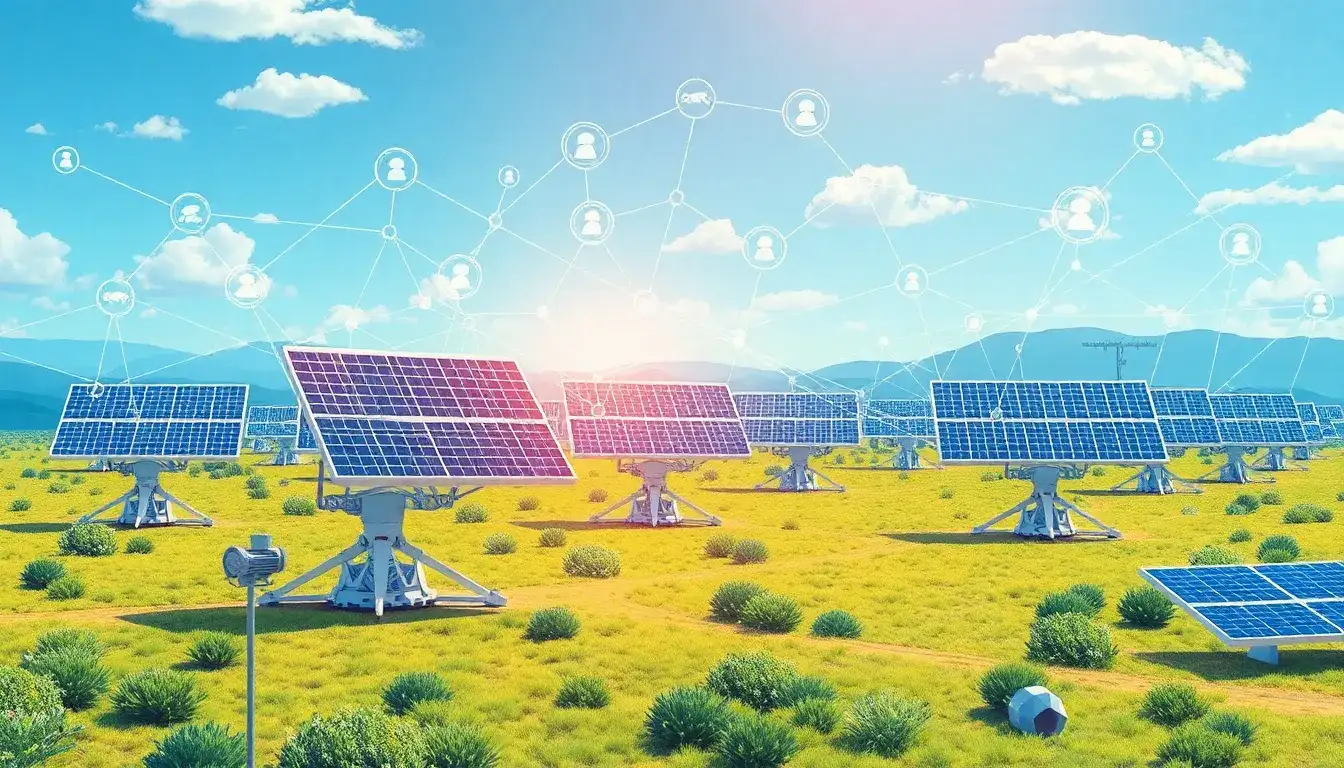
AI algorithms integrate data from various sources to protect and optimize solar trackers by employing advanced machine learning techniques, real-time sensor data processing, and predictive analytics. Here is how this integration typically works:
Data Sources Integrated by AI Algorithms
- Real-Time Environmental Sensors: These include sensors measuring wind speed, sunlight intensity, temperature, humidity, and other weather variables directly impacting solar tracker operation. These sensors are often part of IoT systems embedded in the solar infrastructure.
- Meteorological and Atmospheric Data: AI uses external sources such as weather forecasts, satellite imagery, and atmospheric conditions to anticipate environmental changes. This data helps predict solar irradiance and potential challenges like dust or storms.
- Historical System Performance Data: Machine learning models analyze past operational data of solar trackers, including energy output and panel positioning, to learn performance patterns and optimize future tracking behavior.
Integration and Processing Techniques
- Machine Learning Algorithms: These continuously analyze both historical and incoming real-time data streams to predict solar paths, optimize the angle of solar panels dynamically, and maximize energy capture. The algorithms adjust the solar trackers proactively based on predicted and actual conditions.
- Computer Vision: Some AI systems use computer vision technology to visually track the sun’s position in the sky, providing real-time feedback that enhances the precision of tracker adjustments beyond traditional sensor inputs.
- Cloud Computing and IoT: Data collected from various sensors is transmitted via IoT networks to cloud platforms where it is aggregated and processed at scale. Cloud computing enables the handling of vast datasets, integrates multiple data streams, and implements sophisticated predictive models to fine-tune the trackers’ operations.
Protective Functions Enabled by AI Integration
- Adaptive Response to Environmental Stress: By analyzing wind speed and other weather factors in real time, AI can adjust the solar panels’ angles to minimize mechanical stress and potential damage during adverse conditions like strong winds or storms.
- Predictive Maintenance and Fault Detection: AI algorithms detect anomalies and predict component failures by continuously monitoring system parameters, which helps prevent damage and extend the lifespan of solar trackers.
- Grid Stability and Energy Optimization: Integration with smart grids allows AI to optimize energy flow and balance supply and demand by forecasting solar energy production accurately, which indirectly protects the infrastructure by avoiding overloading or stress due to fluctuating grid conditions.
In summary, AI algorithms integrate diverse data—from real-time environmental sensors, cloud-based meteorological inputs, and historical performance records—using machine learning, computer vision, IoT, and cloud computing technologies. This fusion allows solar trackers not only to optimize energy capture by precise and adaptive positioning but also to protect the system by anticipating and responding to environmental stresses and operational faults proactively.
Original article by NenPower, If reposted, please credit the source: https://nenpower.com/blog/how-do-ai-algorithms-integrate-data-from-various-sources-to-protect-solar-trackers/

