

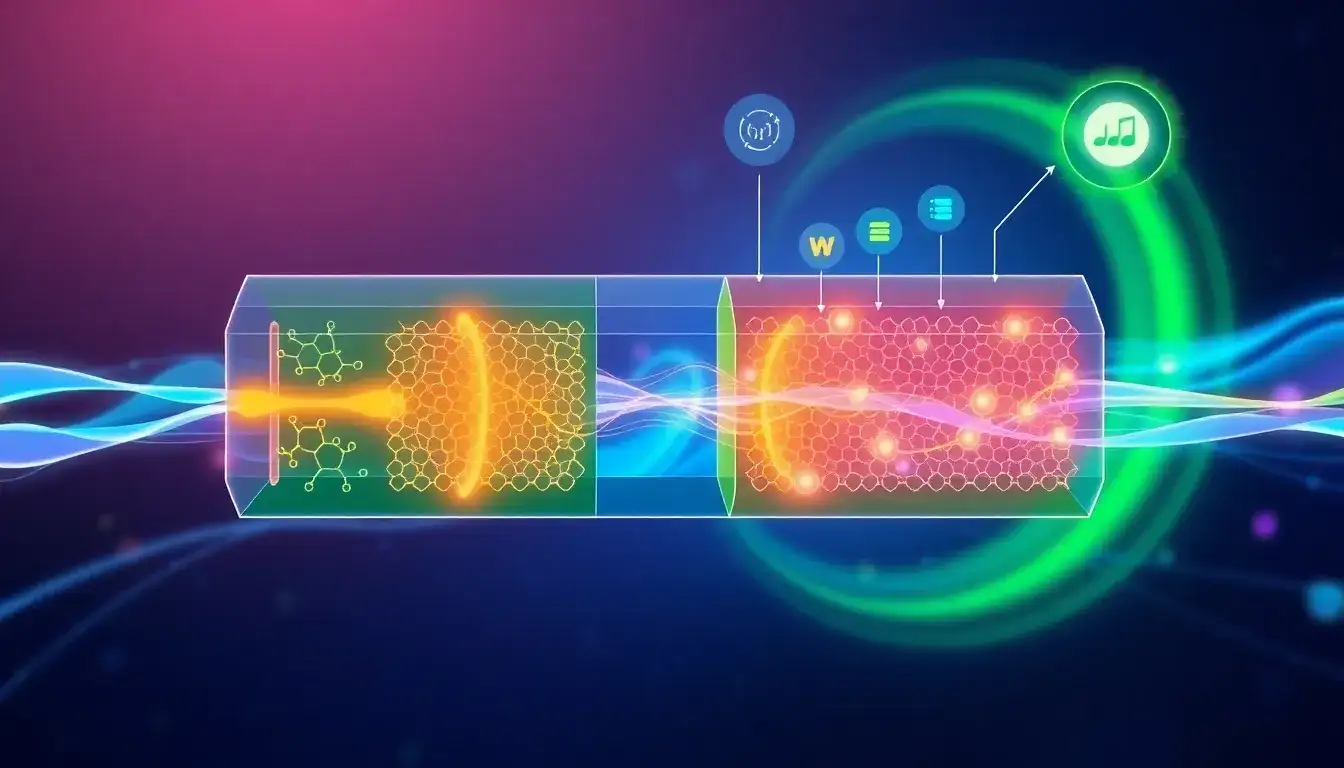
Advancements in membrane technology significantly improve the efficiency of flow batteries by enhancing several critical aspects of their performance:
Key Improvements
- Selective Ion Transport and Reduced Crossover:
- Ion Selectivity: New membranes, such as porous ones using the “ion sieving” mechanism, can effectively block redox-active species from crossing over while allowing charge-balanced ions to pass through, thereby minimizing self-discharge and capacity loss.
- Efficiency Increase: By reducing crossover, these membranes help maintain the concentration of active species on each side, leading to higher coulombic efficiency and overall energy efficiency.
- Increased Conductivity and Chemical Stability:
- Conductivity Enhancement: Advanced membrane designs with highly interconnected water channels improve ionic conductivity, reducing energy losses during operation.
- Chemical Stability: Novel materials and treatments enhance chemical stability, extending membrane lifespan and reducing maintenance costs over time.
- Mechanical Properties and Cost-Effectiveness:
- Mechanical Strength: Stronger membranes allow for thinner, less resistive designs, which can reduce electrical resistance and costs in stack construction.
- Cost Reduction: Improved manufacturing processes and materials can lead to cost-effective production, making flow batteries more viable for large-scale energy storage applications.
- Customization for Different Flow Battery Chemistries:
- Adaptability: Membranes are being tailored for various chemistries, such as vanadium, zinc, and iron-based systems, to optimize performance for each specific flow battery type.
Future Directions
- Innovative Materials: Continued research into novel materials, such as layered double hydroxides, and design strategies can further enhance membrane performance.
- Scalability and Manufacturing: Efforts to improve manufacturing techniques will be crucial for reducing costs and enabling broader deployment of flow battery technologies.
Overall, advancements in membrane technology are crucial for overcoming the trade-offs between selectivity, conductivity, stability, and cost, ultimately enhancing the efficiency and viability of flow batteries for grid-scale energy storage.
Original article by NenPower, If reposted, please credit the source: https://nenpower.com/blog/how-do-advancements-in-membrane-technology-improve-the-efficiency-of-flow-batteries/

