

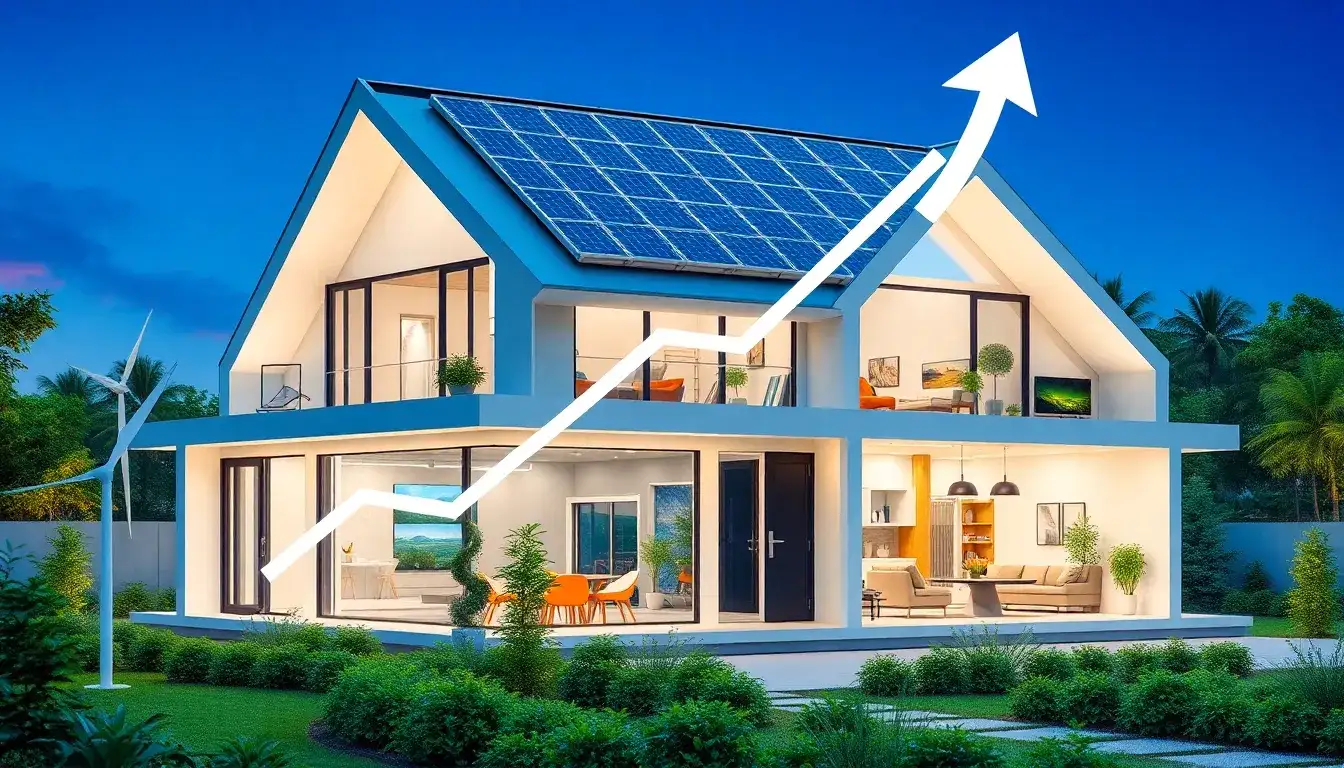
Advances in battery technology have significantly reduced the cost of residential energy storage systems, making them more accessible and economical for homeowners. Here are key ways in which these advancements impact costs:
Reduced Costs Over Time
- Substantial Price Drop: Over the past decade, the cost of lithium-ion batteries has dropped by about 89%, from approximately $1,100 to $137 per kilowatt-hour (kWh). This significant reduction in battery costs directly translates to more affordable energy storage systems.
- Efficiency and Longevity: Improvements in battery chemistry, such as solid-state batteries and new materials like graphene, enhance efficiency and longevity, reducing maintenance and replacement costs.
Integration with Renewable Energy Sources
- Solar Plus Storage: The integration of solar panels with advanced battery storage systems allows homeowners to generate and store their own renewable energy. As the costs of solar panels and batteries continue to decline, solar-plus-storage systems become more cost-effective.
- Energy Independence: By leveraging stored solar energy during non-sunny hours or at night, homeowners can reduce their reliance on the grid, potentially lowering electricity bills.
Technological Innovations
- Modular Systems: Modular battery systems enable homeowners to scale their energy storage capacity as needed, avoiding the upfront cost of a larger system. This flexibility reduces initial investment while allowing for future expansions.
- Smart Technologies: The integration of home energy storage with smart home technologies optimizes energy use based on real-time data, further enhancing efficiency and cost savings.
Market and Policy Factors
- Increased Demand: Growing demand for residential energy storage solutions drives economies of scale, contributing to lower production costs.
- Government Incentives: State and federal incentives encourage adoption by offsetting the upfront costs of installing energy storage systems.
Overall, advancements in battery technology have not only reduced production costs but have also made energy storage systems more efficient, reliable, and appealing to homeowners. These trends are likely to continue, further decreasing costs and increasing the accessibility of residential energy storage.
Original article by NenPower, If reposted, please credit the source: https://nenpower.com/blog/how-do-advancements-in-battery-technology-impact-the-overall-cost-of-residential-energy-storage-systems/

