

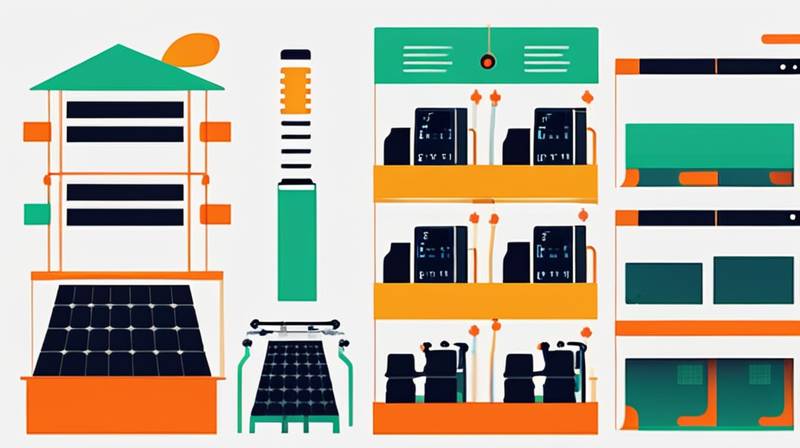
The term “energy storage power station” stems from the core functions these facilities perform in managing and holding energy for later use. 1. It signifies the integration of power generation and storage capabilities. 2. The name reflects an advanced sustainable energy solution addressing the challenges posed by intermittent renewable sources. 3. Energy storage power stations enhance grid reliability and efficiency. 4. The terminology also encapsulates a response to growing demands for energy management.
An in-depth understanding of this terminology reveals its significance in the landscape of the modern energy sector. Energy storage encompasses various technologies, but the specific designation of “power station” indicates both a locational aspect and a function focused on delivering energy to the grid when needed most. The complexity and integration of these systems are crucial as global energy needs evolve.
1. EVOLUTION OF ENERGY STORAGE
The concept of energy storage dates back centuries, originating with simple methods such as water behind dams and manual mechanisms for energy retention. With the rise of industrialization, more sophisticated technologies emerged. The advent of chemical energy storage through batteries, for instance, has grown exponentially, allowing for a broader capture of energy generated from renewable sources such as solar and wind. The term “power station” illustrates the transformation of energy storage from passive holding solutions to active contributors in the energy landscape.
Today’s energy storage power stations encompass an extensive range of technologies, including pumped hydro, compressed air, and cutting-edge battery solutions, designed to provide a flexible and efficient means of energy management. This evolution has been driven by increased demand for renewable energy, paired with the need for a robust grid that can manage fluctuations associated with these resources. As energy production becomes decentralized, the notion of a power station evolves. They now serve dual roles: generation and storage, functioning synergistically with renewable energy sources. Consequently, the name “energy storage power station” accurately encapsulates this multi-faceted approach.
2. ROLE IN RENEWABLE ENERGY
As the globe pivots towards greener energy solutions, energy storage power stations have become integral components of modern energy infrastructures. Their role in supporting renewable energy—particularly intermittently generating sources such as wind and solar—is significant. When generation surpasses demand, energy storage systems capture excess energy for later use. This capability addresses a fundamental challenge: managing supply fluctuations associated with natural resources.
There are various storage technologies, each with unique advantages and limitations. For instance, lithium-ion batteries offer rapid discharge capabilities and relatively high energy densities, making them ideal for short-term energy storage needs. In contrast, compressed air energy storage typically caters to longer-term storage, ideal for balancing daily energy fluctuations. This strategic synergy fortifies the energy grid, ensuring a smoother transition as renewable power becomes a more dominant market force. Energy storage power stations, by managing the flow of energy, bolster the integration of renewables, comprising a linchpin for a stable energy future.
3. ENHANCING GRID RELIABILITY
Grid reliability is an essential focus for utilities and energy providers, and energy storage plays a pivotal role in enhancing it. As power generation transitions to a model that heavily relies on renewable sources, energy storage power stations act as stabilizers—buffering sudden peaks and troughs in supply and demand. The inherent variability in renewable generation necessitates a means to balance production and consumption effectively.
During periods of high generation, these stations absorb excess energy and release it back when demand spikes, thereby mitigating potential outages or strain on the grid. Energy storage facilities are particularly crucial during emergency scenarios, providing backup power that helps maintain essential services. Moreover, they facilitate a gradual transition away from traditional fossil fuels and pave the way for sustainable solutions without compromising grid integrity. As such, energy storage power stations represent both a necessity for reliability and a testament to innovation in energy management.
4. ECONOMIC IMPLICATIONS
The deployment of energy storage power stations carries significant economic implications within the energy sector. They present not only savings for operational costs but also offer long-term benefits by stabilizing energy prices and minimizing the need for expensive peaker plants, which often operate only during peak demand periods. In this context, the value of energy storage transcends mere functionality; it supports overall economic efficiency within energy markets.
By enhancing grid flexibility and resilience, these systems contribute to uncapping the potential for renewable technologies. The reduction in reliance on fossil fuels ultimately leads to decreased environmental pollution and health-related costs, resulting in broader economic benefits for society. Investment in energy storage technologies is projected to create jobs in manufacturing, installation, and maintenance, thus energizing local economies while contributing to national energy security strategies. Thus, the name “energy storage power station” reflects not only its operational purpose but also its role as a robust player in the energy economy.
5. THE FUTURE OF ENERGY STORAGE
Looking ahead, the energy landscape is poised for continuous evolution, with energy storage power stations at the forefront of this revolution. Policies aimed at combating climate change and promoting sustainable energy systems are likely to spur innovations in storage technologies. The increasing costs associated with renewable energy systems such as solar PV and wind turbines are becoming more manageable, further encouraging investment in accompanying storage solutions.
As countries increasingly commit to net-zero goals, the integration of energy storage into national grids is becoming a key strategy. This process necessitates collaboration across sectors, including technology developers, energy providers, and governmental bodies, to ensure accessibility and affordability for consumers. Advances in battery technologies and alternative storage methods will lead to greater efficiencies and capacities, pushing boundaries further. Energy storage power stations will solidify their presence as essential infrastructures that not only support grid operations but also contribute to broader climate objectives and community resilience.
FREQUENTLY ASKED QUESTIONS
WHAT TYPES OF TECHNOLOGIES ARE FOUND IN ENERGY STORAGE POWER STATIONS?
Energy storage power stations utilize various technologies to store energy for later retrieval. These include lithium-ion batteries, known for their high energy density and capability for rapid discharge, typically used for short-term applications. Pumped hydroelectric storage remains a dominant player, utilizing gravitational potential energy by pumping water to a higher elevation during low-demand periods and releasing it when needed. Compressed air energy storage involves compressing air in underground caverns and releasing it to drive turbines during high-demand events. As the market continues to evolve, additional formats are gaining traction, including thermal storage solutions using molten salts or phase change materials, serving both energy management needs and capacity stability.
HOW DOES ENERGY STORAGE IMPACT GRID STABILITY?
The capacity of energy storage power stations to mitigate fluctuations in energy supply significantly influences grid stability. By absorbing excess energy during periods of low demand and discharging it when necessary, these systems act as a balancing agent for the grid. Rather than relying solely on traditional power plants, operators can utilize stored energy to manage sudden spikes or drops in demand effectively. Enhanced grid reliability leads to fewer outages and ensures a seamless power supply, promoting overall economic stability within the energy market. Additionally, these power stations reduce stress on existing infrastructure, allowing utilities to optimize resources effectively.
WHAT ARE THE ENVIRONMENTAL BENEFITS OF ENERGY STORAGE POWER STATIONS?
Energy storage power stations bring substantial environmental benefits, particularly in their capacity to facilitate the integration of renewable energy into the grid. By storing energy generated from wind and solar sources, these facilities ensure clean energy is utilized even during periods when generation is low. This capability diminishes reliance on fossil fuels, which contribute to greenhouse gas emissions and broader environmental degradation. Moreover, energy storage can enhance grid resilience during extreme weather events, enabling a quicker recovery for impacted communities. The evolution of energy technologies ensures not only a decrease in pollution but also a move towards sustainable practices essential for future generations.
The moniker “energy storage power station” embodies vital functions and contributions to today’s energy ecosystem. The amalgamation of energy storage and power generation within these facilities allows for effective energy management while reinforcing renewable sources’ roles. Given the prevalent challenges faced by traditional grid infrastructures, energy storage power stations signify a progressive step toward stabilizing and optimizing energy networks across the globe. The implications of these solutions extend far beyond mere convenience; they encapsulate a paradigm shift within the energy sector focusing on sustainability and affordability. With innovations driven by advancements in technology and supportive policies, the future trajectory of energy storage will further solidify its importance, fostering greater economic, environmental, and social benefits. This transformation highlights a comprehensive approach to energy management—one that embraces change while addressing critical challenges within our energy landscape. As communities continue transitioning to greener futures, energy storage power stations will remain at the heart of advancements in energy resilience and reliability.
Original article by NenPower, If reposted, please credit the source: https://nenpower.com/blog/how-did-the-energy-storage-power-station-get-its-name/

