

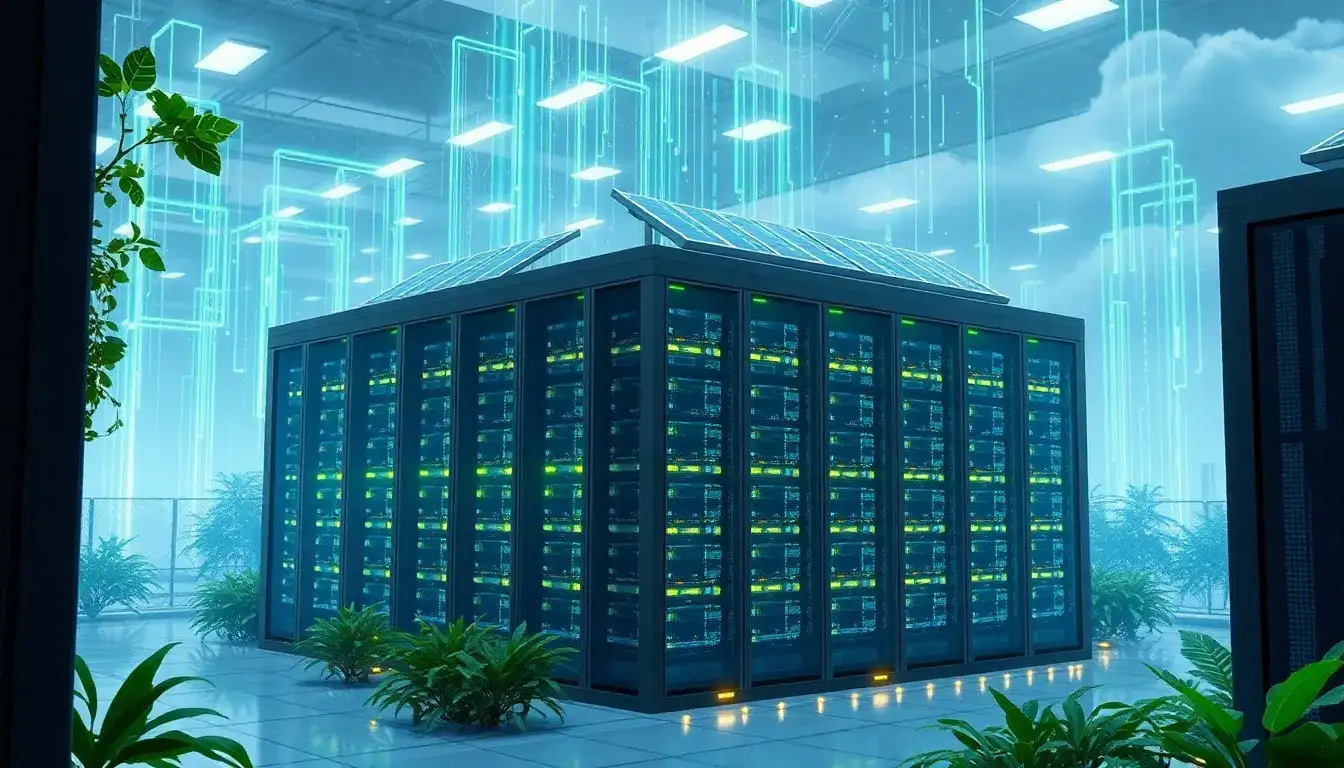
Key Benefits of Virtualization in Reducing Energy Waste
- Server Consolidation: Virtualization enables multiple virtual machines (VMs) to run on a single physical server. This consolidation reduces the overall number of servers needed, leading to lower electricity consumption, reduced heat generation, and decreased demand on power distribution units and cooling systems.
- Improved Resource Utilization: Traditional physical servers often operate at low utilization rates, wasting resources like CPU, memory, and storage. By consolidating workloads onto fewer servers through virtualization, resources are used more efficiently, enhancing performance while reducing idle capacity.
- Lower Operational Costs: With fewer servers to power and cool, virtualization leads to significant cost savings on energy bills. Additionally, it reduces the need for extensive cooling systems and physical space, further lowering operational expenses.
- Enhanced System Scalability and Flexibility: Virtualization allows IT administrators to quickly scale resources up or down based on demand, ensuring optimal performance without requiring additional hardware. This flexibility also supports dynamic workload management, contributing to energy efficiency by only allocating resources when needed.
- Centralized Management: Virtualization platforms provide centralized management tools, simplifying the monitoring and optimization of server resources. This streamlined approach helps in identifying and addressing inefficiencies promptly, contributing to better overall energy management.
By adopting virtualization, data centers can significantly reduce energy consumption while enhancing operational efficiency and reducing environmental impact.
Original article by NenPower, If reposted, please credit the source: https://nenpower.com/blog/how-can-virtualization-help-reduce-energy-waste-in-data-centers/

