

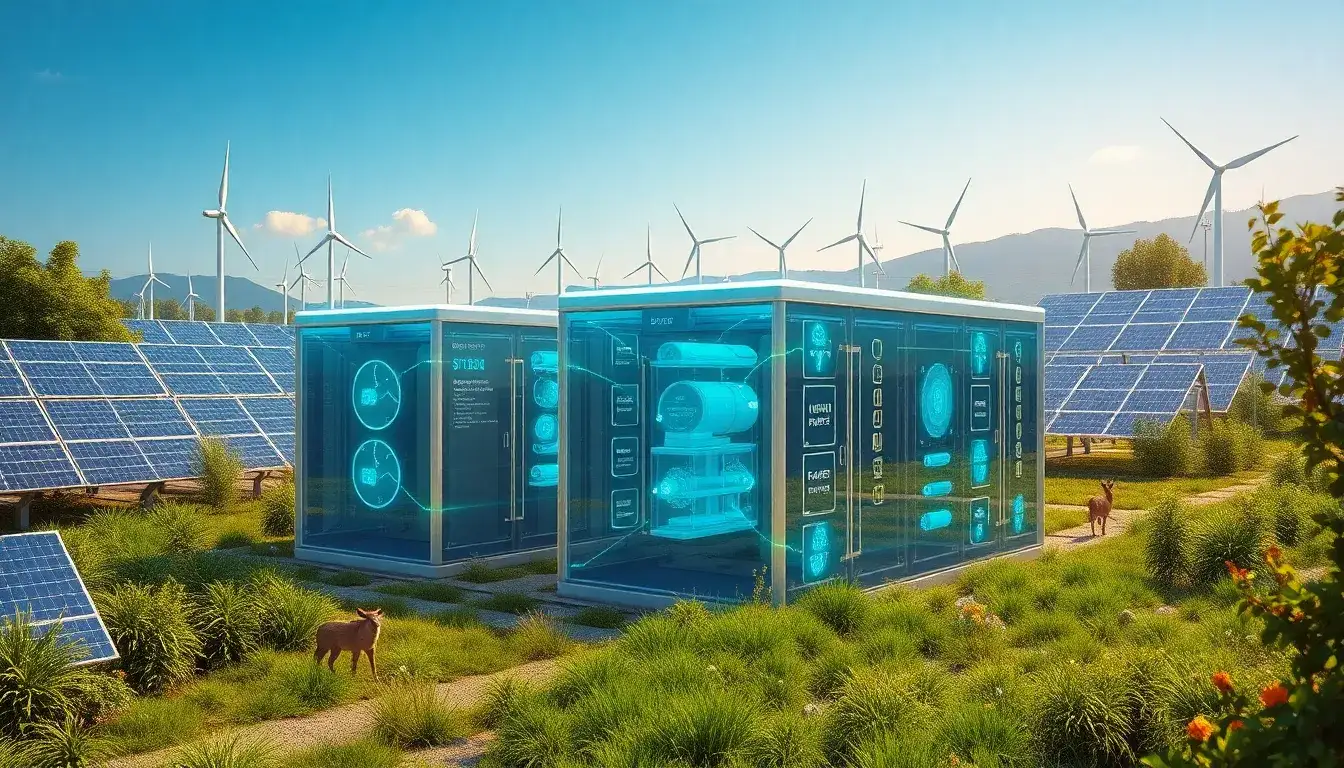
Optimizing utility-scale batteries to lower greenhouse gas emissions involves several strategic approaches:
1. Optimized Charging and Discharging Schedules
- Price Forecasting and Optimization: By using accurate price forecasts, utility-scale batteries can charge during periods of low electricity prices, often when renewable energy sources are abundant, and discharge during high-price periods. This strategy maximizes revenue while reducing reliance on fossil fuels for peak power generation.
- Dynamic Scheduling: Systems like PLEXOS help identify optimal charge and discharge times based on energy pricing, ensuring that batteries are utilized efficiently throughout the year.
2. Integration with Renewable Energy Sources
- Renewable Energy Absorption: Utility-scale batteries can absorb excess energy generated by solar or wind farms during low-demand periods, reducing curtailment and allowing more renewable energy to be integrated into the grid.
- Balancing Supply and Demand: By storing renewable energy and releasing it when needed, these batteries help stabilize the grid and reduce the need for fossil fuels to meet peak demands.
3. Advanced Battery Management Systems
- Efficiency Improvements: Optimizing battery efficiency through advanced management systems helps reduce energy losses during charging and discharging cycles, thereby maximizing the amount of clean energy stored and delivered.
- Real-Time Monitoring and Response: These systems enable real-time monitoring and response to grid conditions, ensuring that batteries operate efficiently and safely, contributing to overall grid stability.
4. Safety and Risk Management
- Risk Assessment Tools: Proper risk assessment and management strategies help ensure that energy storage systems operate safely and efficiently, reducing potential hazards and environmental impacts associated with battery operations.
By implementing these strategies, utility-scale batteries can play a crucial role in reducing greenhouse gas emissions by enhancing the efficiency and reliability of renewable energy integration into the power grid.
Original article by NenPower, If reposted, please credit the source: https://nenpower.com/blog/how-can-utility-scale-batteries-be-optimized-to-lower-greenhouse-gas-emissions/

