

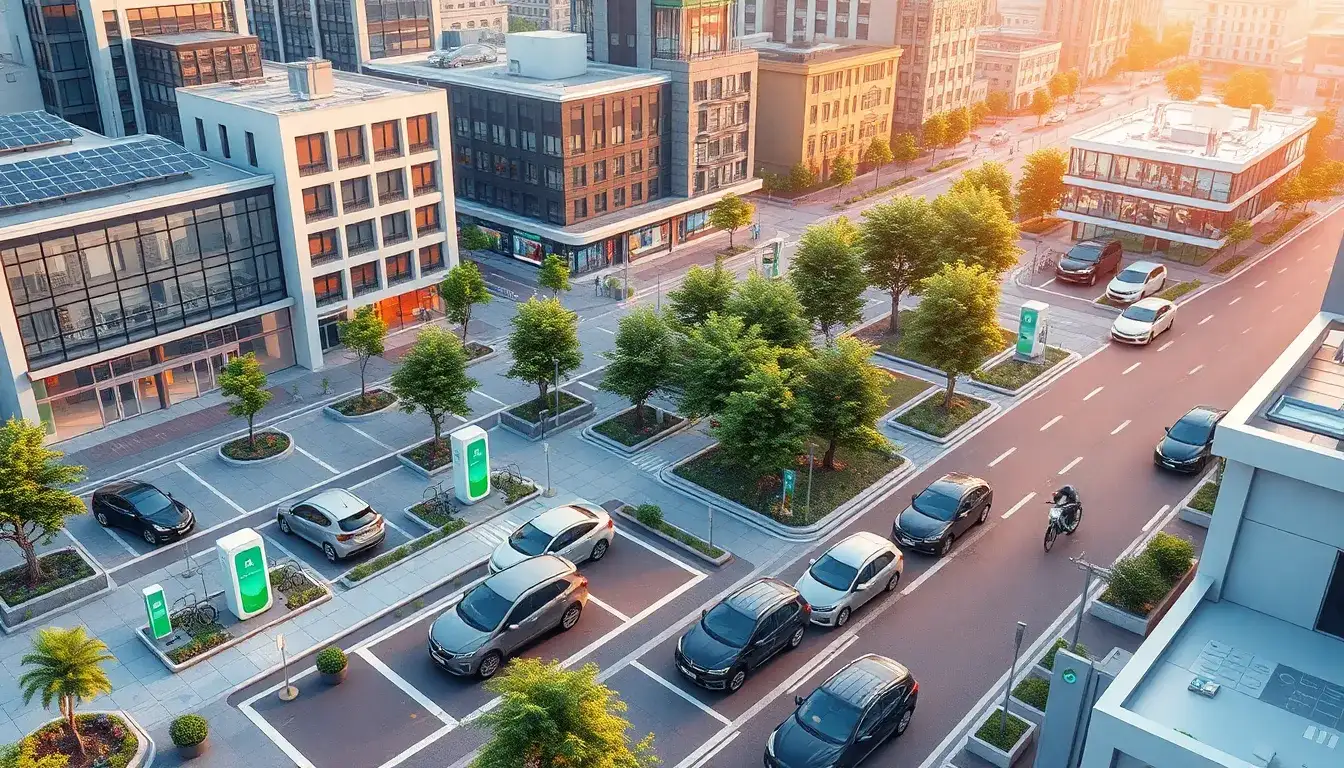
1. Strategic Placement and Prioritization
Identify high-demand zones (e.g., downtown areas, transport hubs) and prioritize locations with existing high EV adoption. Use traffic pattern analysis and population growth projections to optimize placement, ensuring stations are accessible without overburdening specific grid nodes. For instance, Los Angeles prioritizes downtown and Westlake for charger deployment due to local EV ownership rates.
2. Grid Modernization and Load Management
Upgrade transformers, substations, and distribution lines to handle increased electricity demand. Incorporate smart-grid technologies like time-of-use pricing and demand-response systems to balance loads during peak hours. Collaborate with utilities to forecast demand spikes from fast-charging corridors, which require high-power capacity.
3. Integration with Urban Development
Revise building codes and zoning ordinances to mandate EV-ready infrastructure in new constructions (e.g., pre-wiring for chargers in parking garages). Retrofit older infrastructure by repurposing underutilized spaces like parking lots or decommissioned facilities. Boston’s curbside charging installations in dense neighborhoods demonstrate how retrofitting can address space constraints.
4. Multi-Stakeholder Collaboration
Work with energy providers, transport departments, and private operators to align EV infrastructure plans with grid upgrades. Engage communities to ensure equitable access and prevent service gaps in underserved areas. Use tools like the Public EV Charging Infrastructure Playbook to standardize planning processes across jurisdictions.
5. Scalability and Future-Proofing
Design infrastructure with scalability, accommodating future EV adoption surges and emerging technologies like vehicle-to-grid (V2G) systems. Factor in heavy-duty EVs and micromobility (e.g., e-bikes) to create a holistic electrification strategy. Sand Technologies emphasizes the need to avoid underutilization or delays by aligning station deployment with growth projections.
By combining targeted placement, grid resilience measures, and cross-sector coordination, urban planners can ensure EV charging infrastructure grows sustainably alongside grid capacity.
Original article by NenPower, If reposted, please credit the source: https://nenpower.com/blog/how-can-urban-planners-enhance-grid-infrastructure-to-support-ev-charging-stations/

