

Addressing the Lack of Electric Vehicle (EV) Charging Infrastructure
The lack of electric vehicle (EV) charging infrastructure can be addressed through a combination of technological solutions, strategic planning, and comprehensive service offerings by various stakeholders. Key approaches include:
Comprehensive Infrastructure Development
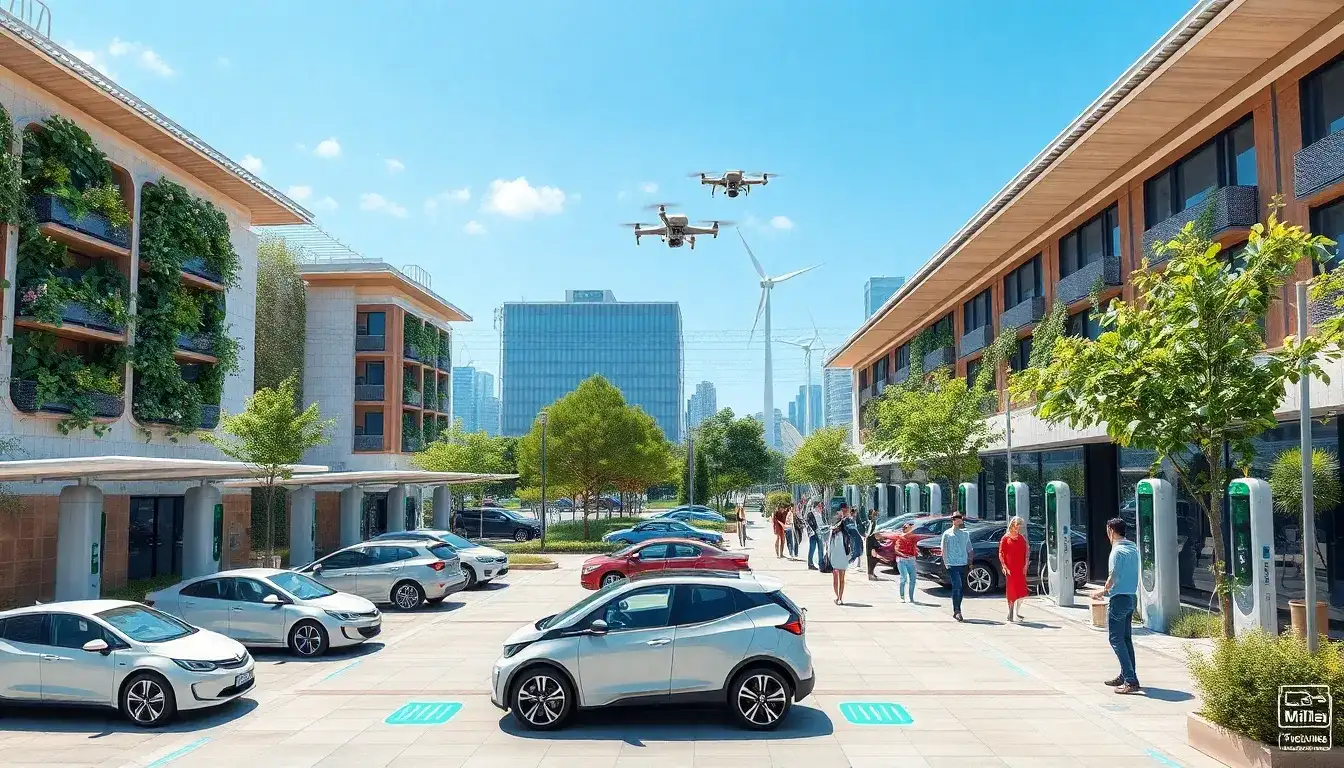
- Integrated Charging Solutions: Companies like Eaton are developing scalable, secure, and resilient EV charging infrastructure solutions that integrate charging stations with distributed energy resources (DERs) such as on-site renewable energy generation and energy storage systems. This holistic approach optimizes sustainability, resilience, and cost-effectiveness while managing the power needs of buildings and EVs simultaneously.
- Internet-Connected Chargers: Advanced charging solutions from providers such as ABB offer internet-based infrastructure supporting all EV charging standards, complemented with connected services and global support networks, ensuring adaptability and user convenience.
End-to-End Services for Deployment and Management
- Planning and Site Selection: Firms like CBRE provide full-spectrum services—including planning, site selection, and financing—tailored to facilitate the installation and management of EV charging stations across various locations, from workplace to public and fleet environments.
- Project Management and Utility Coordination: Effective deployment involves engagement with utilities and managing procurement, sourcing, and cost assurance, which are critical to accelerating installation timelines and maintaining reliable service.
Targeted Infrastructure Solutions
- Fleet Electrification: Managing fleet electrification programs with integrated platforms that minimize disruptions and maximize uptime through comprehensive lifecycle management of EV chargers.
- On-the-Go Fast Charging: Supporting fast charging infrastructure in convenient locations by securing power sources and optimizing site acquisition and uptime for public charging networks.
- Workplace Charging: Facilitating workplace charging programs to enhance employee experience, comply with regulations, and control electricity spend by coordinating among utilities, permitting agencies, landlords, and hardware/software providers.
Incentives and Rebates
- Financial Support Programs: Awareness and utilization of EV charging incentive programs and rebates help alleviate the financial burden associated with infrastructure deployment, encouraging broader adoption at residences, businesses, and public venues.
Collaborative and Customized Approaches
Solutions can be customized to meet local demands and energy contexts, including the integration of renewable energy sources and energy storage to create decentralized, sustainable energy hubs that support charging needs without overloading existing grids.
Overall, addressing the lack of EV charging infrastructure involves integrating advanced technology solutions, offering comprehensive services covering all phases from planning to operation, leveraging financial incentives, and customizing deployments to local energy and user needs. This multi-faceted strategy ensures reliable, convenient, and sustainable EV charging availability to support growing electric vehicle adoption.
Original article by NenPower, If reposted, please credit the source: https://nenpower.com/blog/how-can-the-lack-of-charging-infrastructure-be-addressed/

