

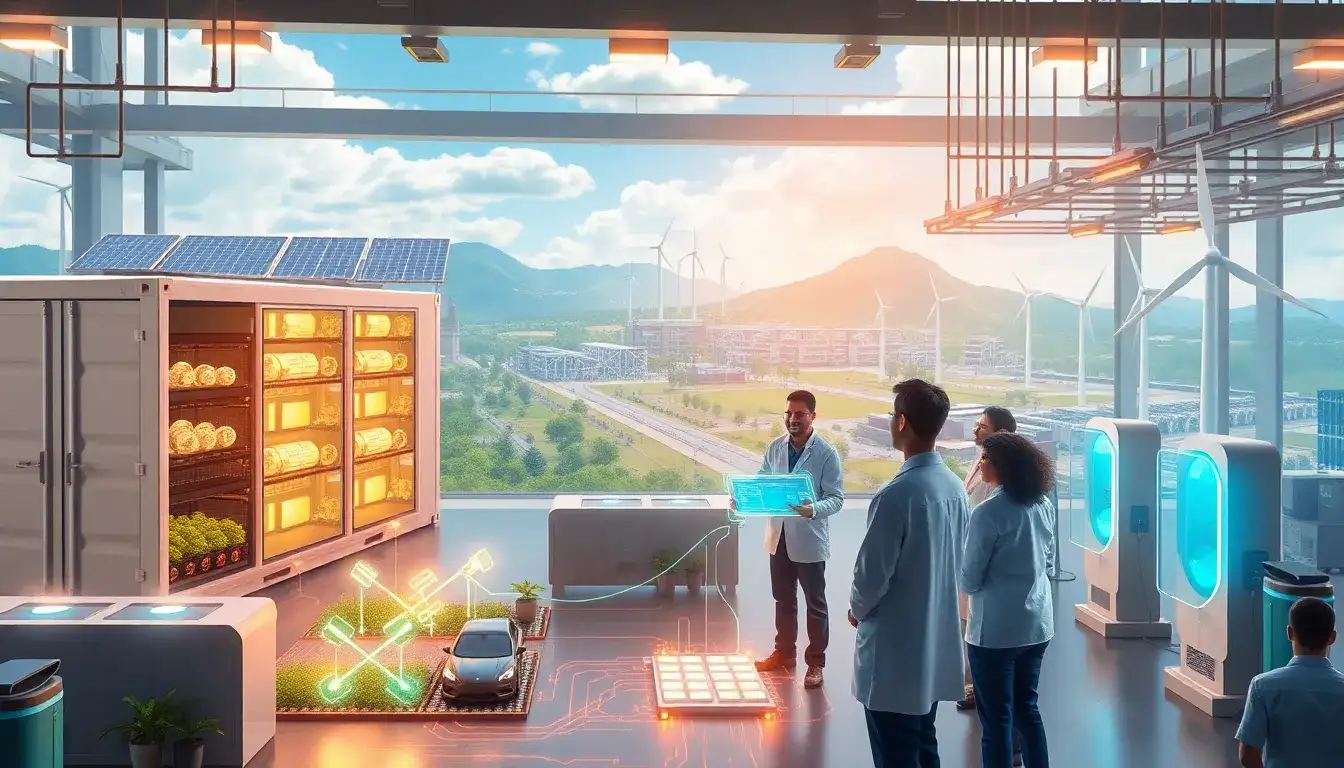
Strategies for Reducing Costs
- Minimizing Soft Costs
- Streamline Operations: Reduce administrative, marketing, and research and development expenses by implementing lean manufacturing principles and strategic planning.
- Efficiency Improvements: Enhance operational efficiency to lower overall costs.
- Repurposing End-of-Life EV Batteries
- Utilize retired electric vehicle batteries for stationary energy storage applications. This approach can be more cost-effective than using new batteries because the initial production costs have already been incurred.
- Innovations and Technological Advances
- New Materials and Designs: Explore emerging battery technologies like sodium-ion batteries, which have shown significant potential for cost reductions.
- Long-Duration Energy Storage (LDES): Implement technologies such as pumped hydro storage, compressed air, and flow batteries that can achieve cost targets set by initiatives like the Long Duration Storage Shot.
- Economic Benefits through Flexibility
- Peak Demand Management: Use stored energy during peak usage periods to reduce high electricity rates, stabilizing costs for businesses.
- Increased Resilience: Energy storage helps prevent power outages during high demand periods, ensuring operational continuity.
- Policy and Incentives
- Regulatory Support: Align energy storage projects with local and industry regulations to maximize incentives and reduce overall investment costs.
Implementing these strategies can significantly reduce the financial barriers associated with energy storage technologies, making them more accessible for widespread adoption.
Original article by NenPower, If reposted, please credit the source: https://nenpower.com/blog/how-can-the-high-cost-of-implementing-energy-storage-technologies-be-reduced/

