

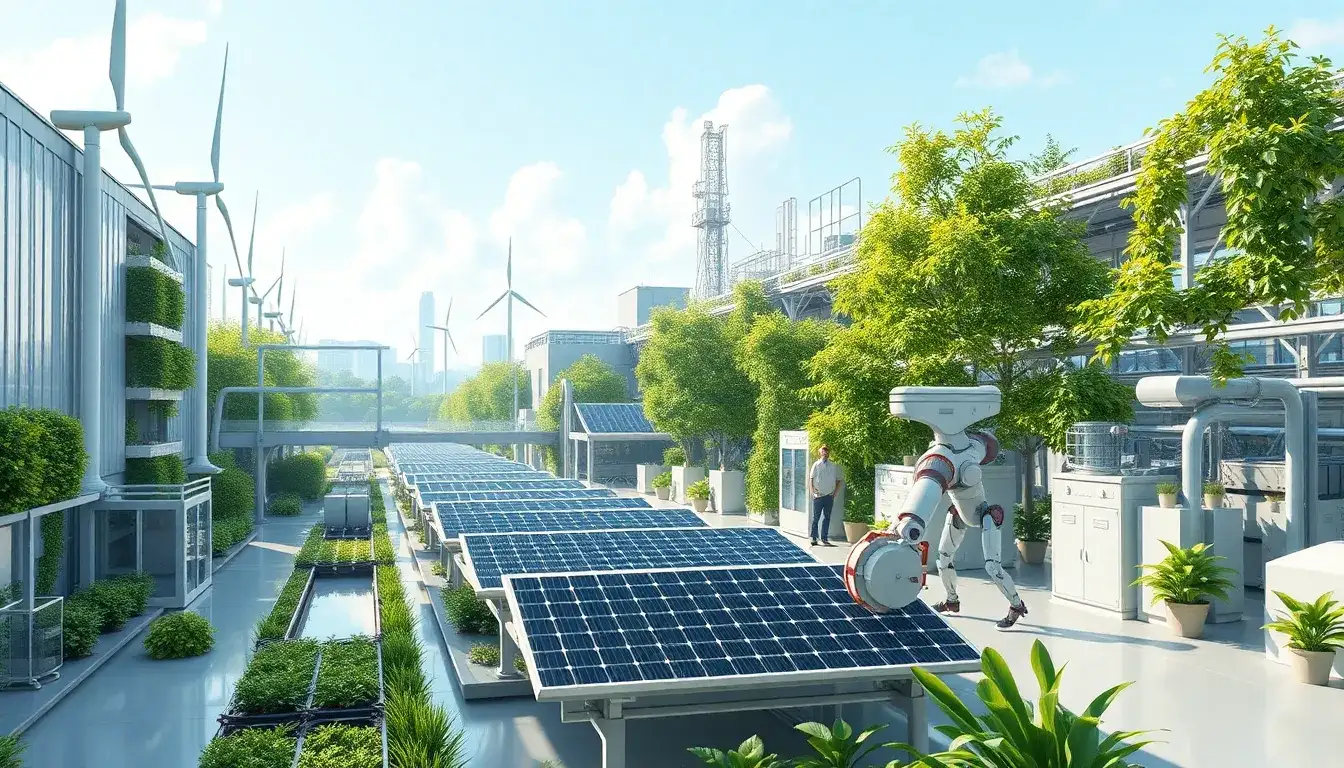
Minimizing the environmental impacts of solar panel production involves addressing key challenges related to raw material extraction, manufacturing energy use, waste management, and ecosystem disruption. The following strategies can help reduce these impacts effectively:
Reducing Environmental Impacts in Solar Panel Production
1. Sustainable Raw Material Sourcing and Mining Practices
- Use more abundant and less toxic materials where possible to reduce reliance on scarce or hazardous metals such as cadmium, lead, silver, indium, and tellurium.
- Implement stricter environmental controls in mining operations to minimize habitat destruction, soil erosion, water pollution, and greenhouse gas emissions caused by extraction activities.
- Promote recycling of materials from end-of-life panels to reduce demand for virgin raw materials.
2. Cleaner and More Efficient Manufacturing Processes
- Transition manufacturing energy sources to low-carbon or renewable energy, especially in countries currently relying on coal-fired power plants, to lower the carbon footprint associated with energy-intensive steps like silicon melting and wafer production.
- Improve energy efficiency in production facilities to reduce overall emissions and pollution.
- Employ water-saving technologies and recycling in cooling processes to lessen water consumption in arid areas.
3. Proper Waste Management and Recycling of Solar Panels
- Develop robust recycling programs to safely recover valuable and hazardous materials from decommissioned solar panels, reducing hazardous waste classified by some governments and preventing environmental contamination.
- Encourage policies and infrastructure for solar panel take-back and recycling to extend material life cycles and minimize landfill waste.
4. Minimizing Impact on Ecosystems and Biodiversity
- Careful siting of solar panel production facilities and solar farms to avoid sensitive habitats, minimize habitat loss, and reduce disruption to wildlife migration and ecosystems.
- Conduct environmental impact assessments to guide project development and implement mitigation measures such as habitat restoration or wildlife corridors.
5. Promoting Circular Economy and Innovation
- Advance research into alternative materials, more durable solar technologies, and modular designs that facilitate repair and recycling.
- Support policies incentivizing sustainable production and lifecycle management practices.
By implementing these strategies—sustainable raw material use, cleaner manufacturing powered by renewables, effective recycling, ecosystem-conscious siting, and circular economy approaches—the environmental impacts of solar panel production can be significantly minimized while supporting the growth of clean energy.
Original article by NenPower, If reposted, please credit the source: https://nenpower.com/blog/how-can-the-environmental-impacts-of-solar-panel-production-be-minimized/

