

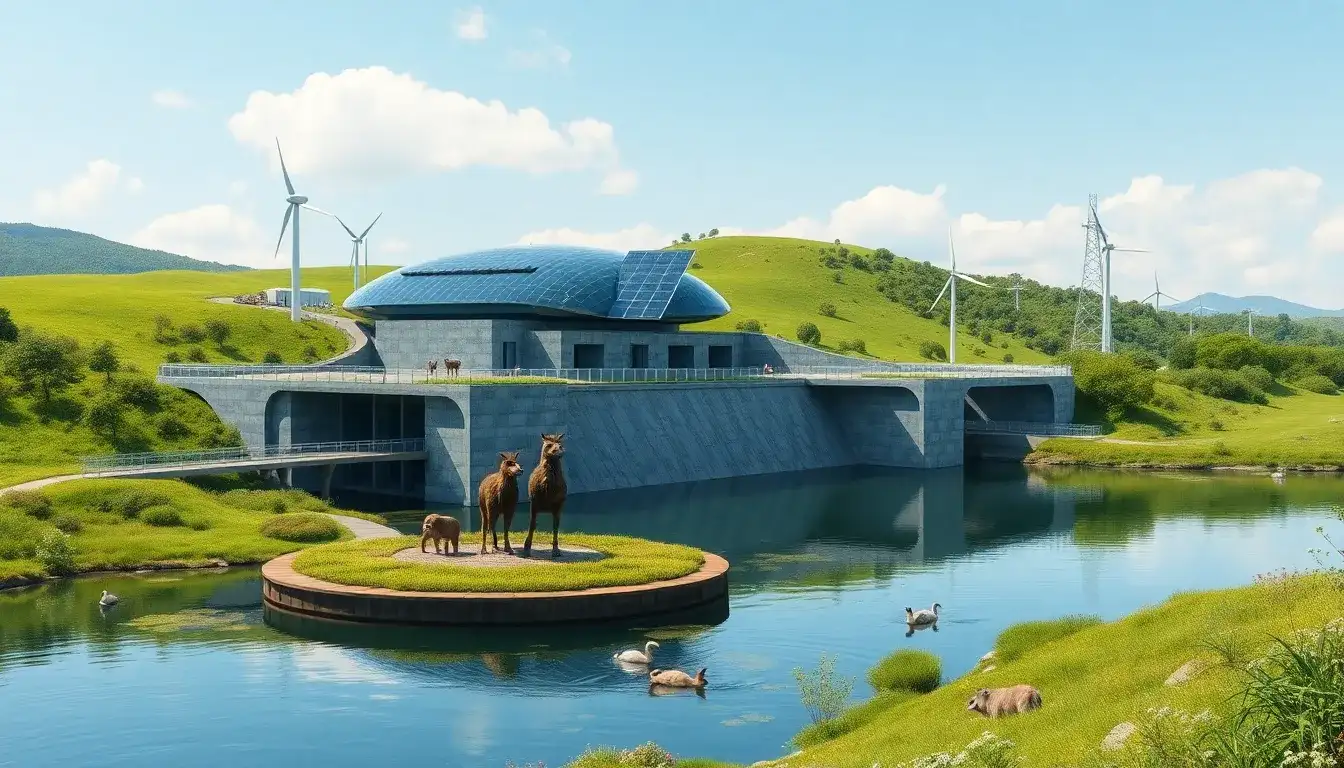
Environmental Impacts of PHS Facilities
Before discussing mitigation strategies, it’s important to understand the environmental impacts associated with PHS facilities. These include:
- Alteration of Local Ecosystems: Reservoir creation can disrupt wildlife habitats and alter water flows.
- Water Loss and Energy Efficiency: Evaporation from reservoirs can be significant, especially in arid regions, and the process incurs energy loss.
- Geographical and Geological Impacts: Closed-loop systems, while reducing some impacts, may have effects on geology, soils, and groundwater.
Mitigation Strategies
1. Closed-Loop Designs
- Minimized Aquatic Impacts: Closed-loop systems are not connected to naturally flowing water bodies, potentially reducing aquatic impacts compared to open-loop designs.
- Flexibility in Site Selection: Closed-loop PSH offers more siting flexibility, allowing for locations that minimize ecological disturbance.
2. Use of Existing Infrastructure
- Repurposing Existing Sites: Utilizing abandoned mines or quarries for PHS can reduce land use impacts and support local economic development by repurposing existing infrastructure.
- Brownfield vs. Greenfield Sites: Building on brownfield sites can reduce environmental impacts and lower global warming potential by avoiding pristine areas.
3. Community Engagement and Environmental Assessments
- Impact Studies: Conduct thorough environmental assessments to anticipate potential impacts and engage local communities in project planning to address concerns.
- Stakeholder Involvement: Encourage involvement from local communities, NGOs, and regulatory bodies to ensure that projects are socially and environmentally acceptable.
4. Technological Innovations
- Efficiency Improvements: Implement advanced technologies to enhance efficiency and reduce operational impacts, such as minimizing water evaporation and optimizing energy storage.
- Environmental Monitoring: Continuously monitor the environmental effects of PHS facilities to identify areas for improvement and ensure compliance with environmental regulations.
5. Regulatory Frameworks and Planning
- Strategic Planning: Integrate PHS projects into broader regional energy plans to ensure they support renewable energy expansion while minimizing environmental harm.
- Policy Support: Implement policies that incentivize low-impact PHS development and provide frameworks for effective environmental mitigation and monitoring.
By employing these strategies, the environmental footprint of PHS facilities can be minimized, allowing them to play a more sustainable role in energy storage and grid resilience.
Original article by NenPower, If reposted, please credit the source: https://nenpower.com/blog/how-can-the-environmental-impacts-of-pumped-hydro-storage-facilities-be-mitigated/

