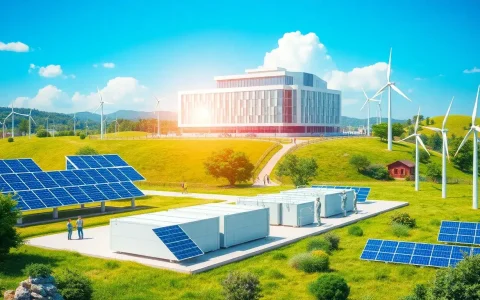
1. Utilize Closed-Loop Systems
Closed-loop pumped storage systems are designed to be disconnected from natural water bodies, utilizing two reservoirs that are situated at different elevations. This approach generally has a smaller environmental footprint compared to open-loop systems, which are connected to natural water systems. The less invasive nature of closed-loop systems allows for localized environmental impacts, reducing the disruption to aquatic ecosystems and surrounding areas. Studies indicate that closed-loop systems can achieve up to a 20% reduction in greenhouse gas emissions compared to traditional systems, largely due to their construction not interfering with natural water cycles.
2. Site Selection
Careful site selection is crucial for reducing environmental impacts. Utilizing previously disturbed or brownfield sites for new pumped storage facilities can significantly lower ecological disruption. These sites not only minimize habitat destruction but also help in land rehabilitation. Furthermore, underground pumped-storage systems using abandoned mine pits can effectively remedy the adverse impacts associated with traditional PHS projects and support the management of abandoned sites.
3. Tailored Environmental Impact Assessments
Conducting detailed environmental impact assessments (EIAs) tailored to individual projects is essential. These assessments should consider the unique ecological characteristics of the project site, potential impacts on local wildlife and vegetation, and the geological and hydrological implications of construction. Recommendations from these assessments can guide design modifications to avoid or mitigate significant impacts.
4. Community Engagement and Adaptive Management
Involving local communities in the planning process fosters transparency and can lead to better project outcomes. Community stakeholders can provide invaluable insights into local environmental concerns, which can be addressed during the project design and execution phases. Additionally, implementing adaptive management practices allows for the ongoing monitoring of project impacts, enabling timely adjustments to reduce unforeseen negative effects.
5. Innovative Technologies and Designs
Investments in innovative technologies can further mitigate environmental impacts. For example, the integration of smart grid technology can optimize the operation of PHS systems, reducing energy waste and enhancing system efficiency. Furthermore, designing facilities to minimize land use – such as using smaller reservoirs or less intrusive construction techniques – can help decrease their environmental footprint.
6. Research and Collaboration
Ongoing research into the life-cycle impacts of various energy storage solutions is critical. Collaborative efforts between developers, researchers, and regulatory bodies can yield best practices for minimizing ecological impact. Knowledge-sharing initiatives can facilitate improvements in technology and site management strategies, ultimately enhancing the sustainability of pumped hydro storage systems.
By implementing these strategies, the environmental impacts of pumped hydro storage can be significantly minimized, making it a more viable and sustainable option for large-scale energy storage within the renewable energy landscape.
Original article by NenPower, If reposted, please credit the source: https://nenpower.com/blog/how-can-the-environmental-impacts-of-pumped-hydro-storage-be-minimized/