

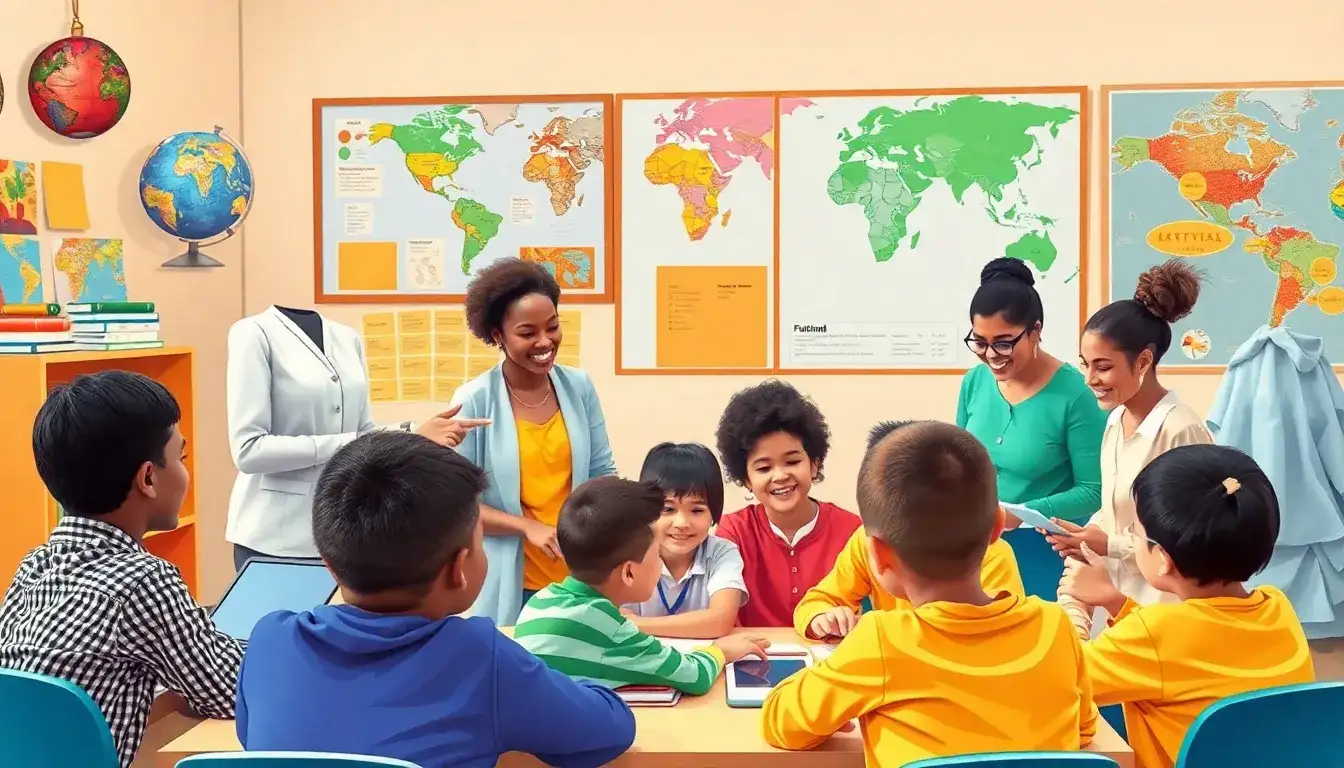
Teachers can be trained to incorporate cultural diversity in their lesson plans through several effective strategies and resources:
Professional Development and Training Programs
- Culturally Responsive Teaching Workshops: These workshops focus on raising awareness about cultural diversity, addressing biases, and providing teachers with strategies to integrate diverse cultural perspectives into curricula. Such training helps teachers understand the importance of respecting and valuing students’ cultural backgrounds.
Using Structured Lesson Plans and Resources
- Teachers can be provided with ready-to-use cultural diversity lesson plans that include clear objectives, engaging introductions, read-aloud suggestions, discussion questions, and hands-on activities designed to promote cultural awareness and respect. For example, lessons like “Being Open and Accepting to Different Cultures” for early grades foster social-emotional learning and empathy toward different cultures.
- Access to curated lesson plans and activities available through educational platforms offers practical support for educators. These include interactive projects, discussions, and multimedia content to celebrate cultural variety and foster inclusive classrooms.
Implementing Evidence-Based Curricula
- Training teachers on evidence-based and age-appropriate cultural proficiency lessons can empower them to guide students to appreciate cultural differences as assets. These lessons also encourage students to become ‘upstanders’ who value diversity positively in educational settings.
Comprehensive Units on Diversity and Identity
- Teachers can be introduced to detailed units exploring identity, racism, social justice, and cultural heritage through multimedia presentations, guided notes, and accompanying assessment tools. These units provide structure and depth, facilitating nuanced discussions about diversity and inclusion.
Experiential and Reflective Learning Activities
- Incorporating experiential learning activities that raise cultural awareness through direct experiences helps teachers better understand the dynamics of diversity in the classroom. Such activities promote respect and inclusivity from both teacher and student perspectives.
Summary Table of Approaches to Teacher Training on Cultural Diversity
| Approach | Description | Examples/Resources |
|---|---|---|
| Professional Development Workshops | Training sessions focused on cultural responsiveness and bias reduction | District workshops, online webinars |
| Ready-to-Use Lesson Plans | Detailed lesson plans with activities, discussions, and assessments promoting cultural respect | “Being Open and Accepting to Different Cultures” |
| Evidence-Based Cultural Proficiency | Structured curricula validated by research for all K-12 levels | Capistrano Unified School District lessons |
| Diversity and Identity Units | Comprehensive multi-lesson units covering identity, racism, and heritage | Cultural Diversity Units with multimedia resources |
| Experiential Activities | Hands-on learning to experience and reflect on cultural diversity | HRE USA learning activities |
By combining these methods, teachers can be effectively trained to incorporate cultural diversity thoughtfully and meaningfully into their lesson plans, creating inclusive and engaging learning environments for all students.
Original article by NenPower, If reposted, please credit the source: https://nenpower.com/blog/how-can-teachers-be-trained-to-incorporate-cultural-diversity-in-their-lesson-plans/

