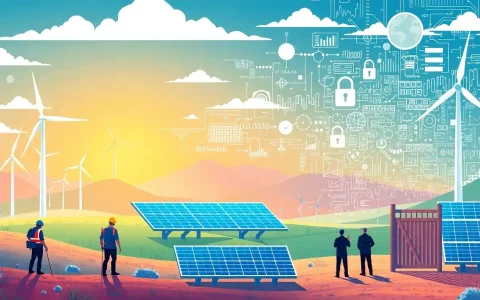
Solar panels can be designed and installed to minimize habitat disruption through a combination of careful site selection, thoughtful panel arrangement, wildlife-friendly infrastructure, and operational practices. Key approaches include:
Strategic Site Selection and Land Use Planning
- Locate solar facilities away from critical habitats such as wetlands, riparian zones, or wildlife corridors to reduce direct habitat loss and fragmentation.
- Prioritize sites with low ecological value, such as brownfield sites, retired agricultural lands, or degraded areas, to avoid disturbing sensitive ecosystems.
Innovative Solar Panel Placement and Design
- Avoid clearing large areas of vegetation; instead, clip or clear plants only as necessary to maintain existing flora and topography.
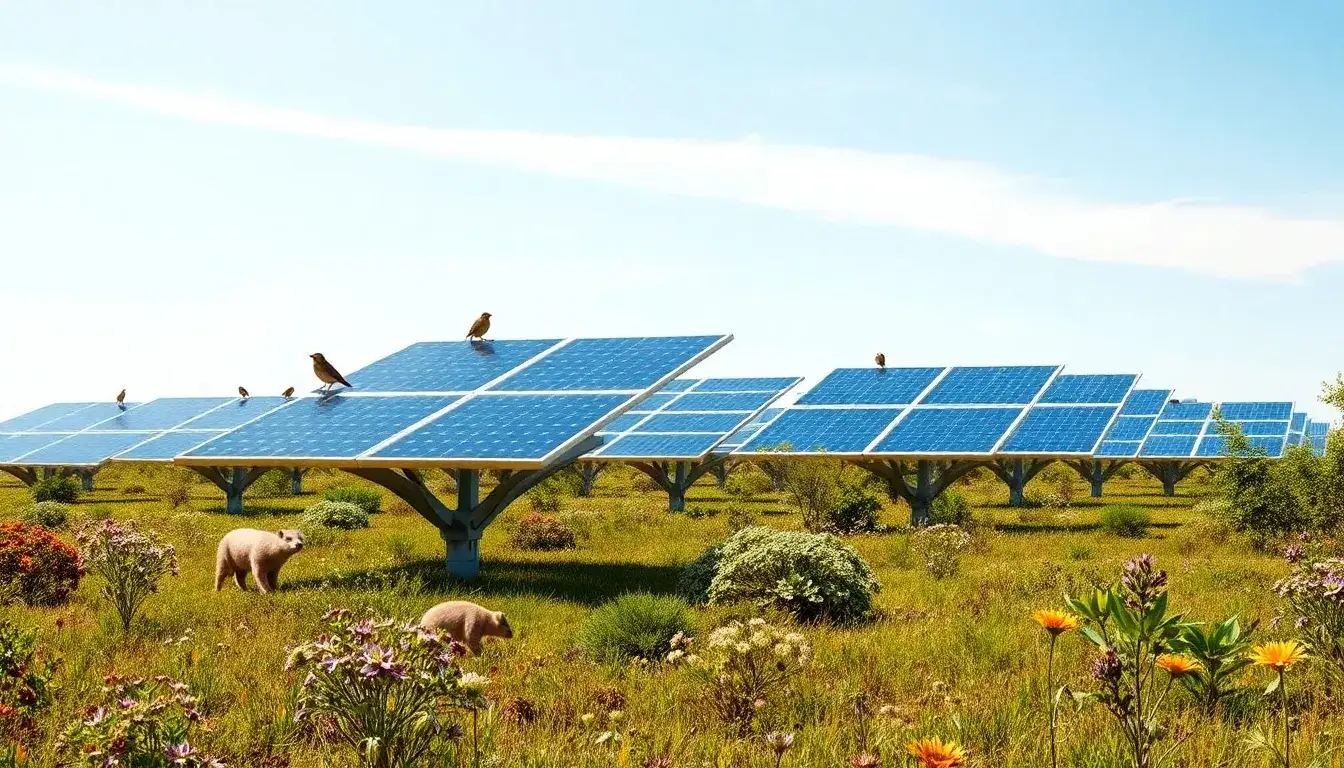
- Elevate solar panels higher than industry norms (e.g., 42 inches above ground instead of 24 inches) to allow vegetation growth underneath and maintain habitat structure.
- Increase spacing between panels to allow more sunlight to reach the ground, encouraging plant growth and preserving microhabitats.
- Use non-reflective or bird-friendly panel designs to reduce risks of bird collisions and disorientation.
Wildlife-Friendly Infrastructure
- Install permeable fencing with openings or elevated bases that allow smaller animals to pass through while protecting the site.
- Create deliberate wildlife corridors by incorporating gaps or designated passageways in perimeter fences, enabling safe movement of larger wildlife through or around the solar farm.
- Adjust fencing seasonally to align with migration or breeding periods, providing flexible access for diverse species.
Operational and Maintenance Strategies
- Restrict maintenance vehicle size and speed to minimize disturbance and risk to wildlife.
- Train staff to recognize and avoid harm to local species, such as desert tortoises or birds.
- Temporarily relocate sensitive wildlife species during construction and monitor them post-project to ensure long-term habitat use and safety.
Integrating Vegetation and Pollinator-Friendly Practices
- Cultivate native plants or crops under and around solar panels to maintain habitat and promote biodiversity.
- Consider agrivoltaic systems combining solar energy with compatible agricultural or ecological uses to enhance sustainability and habitat value.
By combining these design, siting, and operational practices, solar energy projects can generate renewable power while maintaining functional habitats, supporting wildlife movement, and minimizing ecological disruption.
Original article by NenPower, If reposted, please credit the source: https://nenpower.com/blog/how-can-solar-panels-be-designed-to-minimize-habitat-disruption/