

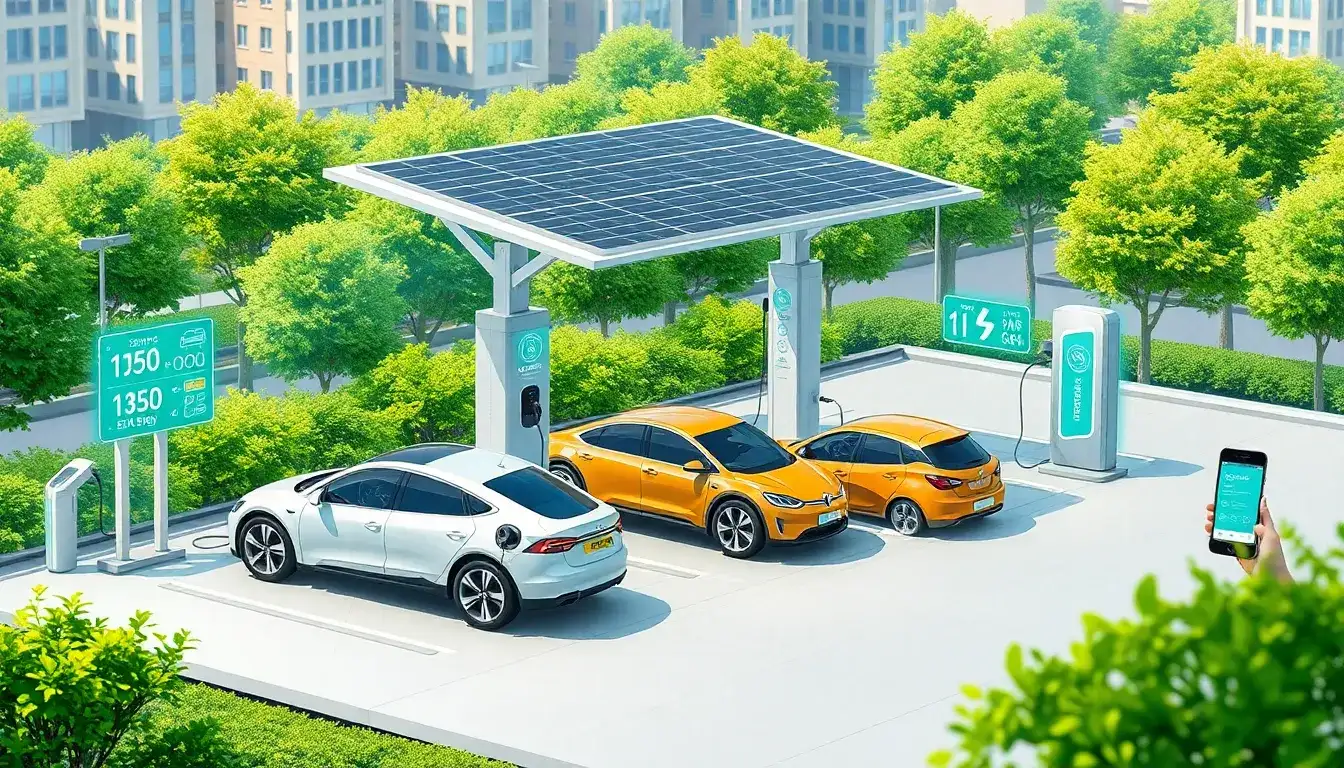
Smart charging systems can significantly optimize energy costs for electric vehicle (EV) owners by dynamically managing when and how EVs are charged. Here’s how these systems help:
Smart Charging Benefits for Energy Cost Optimization
- Grid Usage Alignment: Smart charging systems align EV charging sessions with periods of low demand on the grid, such as during off-peak hours when energy prices are typically lower. By charging vehicles when electricity is cheaper, users can reduce their energy bills.
- Renewable Energy Utilization: These systems optimize the use of renewable energy sources. When renewable energy is abundant and cheaper, smart chargers can prioritize its use for EV charging, further lowering costs.
- Peak Demand Shaving: Smart charging can help avoid peak electricity demand by spreading out or postponing charging sessions during high-grid usage times. This not only reduces the cost of electricity during these periods but also helps prevent grid overload.
- Demand Response and Load Balancing: Advanced algorithms within smart charging systems allow for real-time monitoring and adjustment of charging sessions based on current energy demand and supply. This ensures that multiple vehicles are charged efficiently, avoiding peak charges and balancing energy distribution.
- Dynamic Energy Pricing: Smart charging systems integrate real-time energy pricing data, enabling EV owners to charge their vehicles when electricity is cheapest. This is particularly beneficial in regions with dynamic or time-of-use pricing.
By leveraging these features, smart charging systems provide a cost-effective solution for EV owners to manage their energy consumption while contributing to a more sustainable energy ecosystem.
Original article by NenPower, If reposted, please credit the source: https://nenpower.com/blog/how-can-smart-charging-systems-optimize-energy-costs-for-ev-owners/

