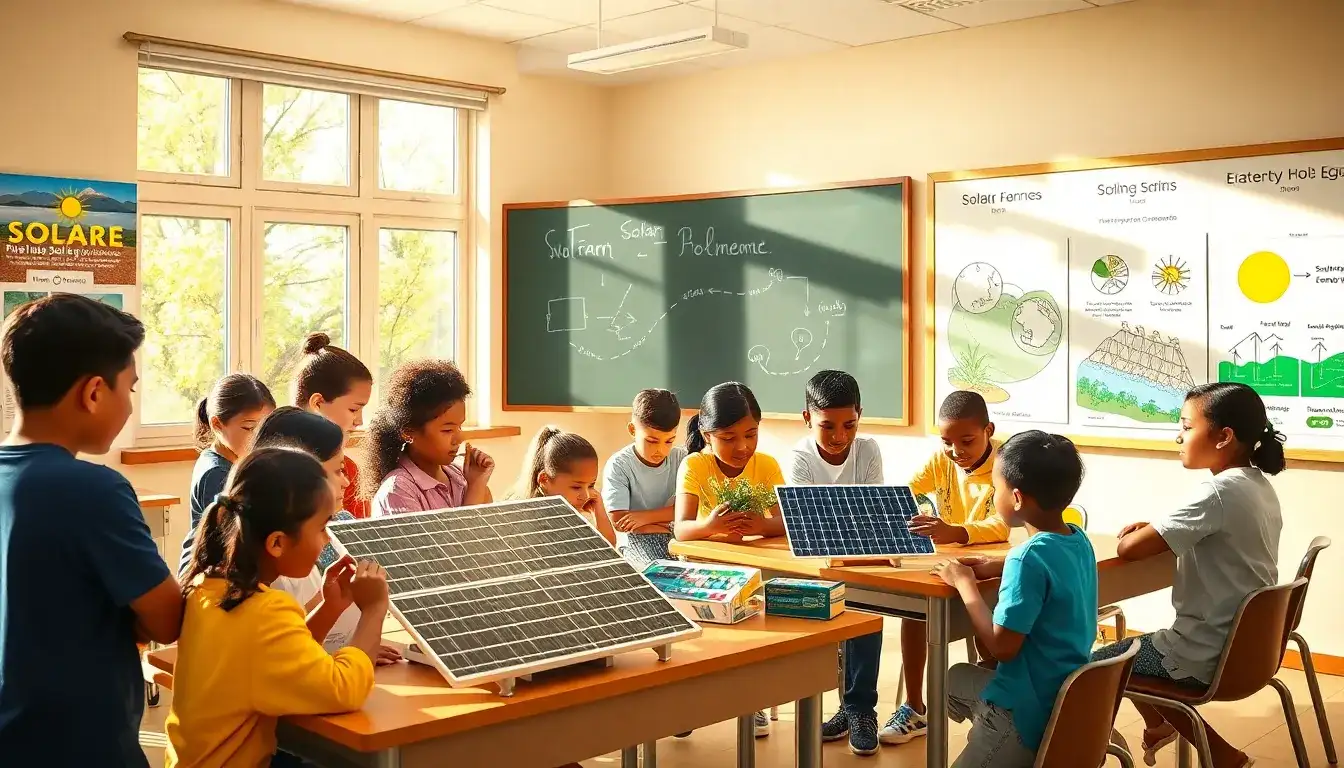
Schools can measure the long-term impact of solar energy education on students by employing a combination of behavioral, knowledge-based, and sustainability outcome metrics over an extended period. Key approaches include:
1. Tracking Behavior and Attitude Changes
- Implement surveys and assessments before, during, and years after solar energy education to evaluate changes in students’ awareness, attitudes, and behaviors related to energy conservation and sustainability practices. This could include self-reported behavioral changes such as increased energy-saving habits or advocacy for solar energy.
2. Monitoring Energy-Related Decision Making
- Observe if students integrate solar or renewable energy concepts into their personal or family decisions, such as supporting or advocating for solar installations at home or in their community. Longitudinal studies can capture if early education influences these practical choices.
3. Measuring Knowledge Retention and Skill Development
- Use assessments to measure students’ retention of solar energy knowledge and their ability to apply this knowledge in problem-solving or projects. Long-term follow-up quizzes or interviews can assess how well understanding sustains.
4. Linking Educational Impact to Facility Energy Data
- Schools equipped with real-time solar energy monitoring systems can use that data as an indirect measure of student engagement and influence, for example, through student-led initiatives to optimize energy use or promote sustainability on campus. Tracking how student involvement affects actual energy savings over time can demonstrate practical educational outcomes.
5. Utilizing Comprehensive Sustainability Frameworks
- Adopt frameworks that integrate solar energy education with broader sustainability and behavior change goals. Such frameworks provide standardized ways to assess multiple dimensions, including recycling practices and energy conservation behaviors, enhancing long-term program evaluations.
6. Applying Standardized Metrics and Longitudinal Studies
- Employ standardized metrics for sustainability impacts that factor in solar energy use, including life cycle considerations and land transformation related to solar installations. While more technical, these metrics can be connected to educational outcomes by evaluating if students understand and promote these concepts over time.
In summary, combining behavioral surveys, knowledge tests, real-world decision tracking, energy data analysis, and sustainability frameworks enables schools to comprehensively measure the long-term impact of solar energy education on students. This holistic approach ensures that assessments capture both cognitive and practical influences of education on sustainable behaviors and choices well beyond the classroom.
Original article by NenPower, If reposted, please credit the source: https://nenpower.com/blog/how-can-schools-measure-the-long-term-impact-of-solar-energy-education-on-students/