

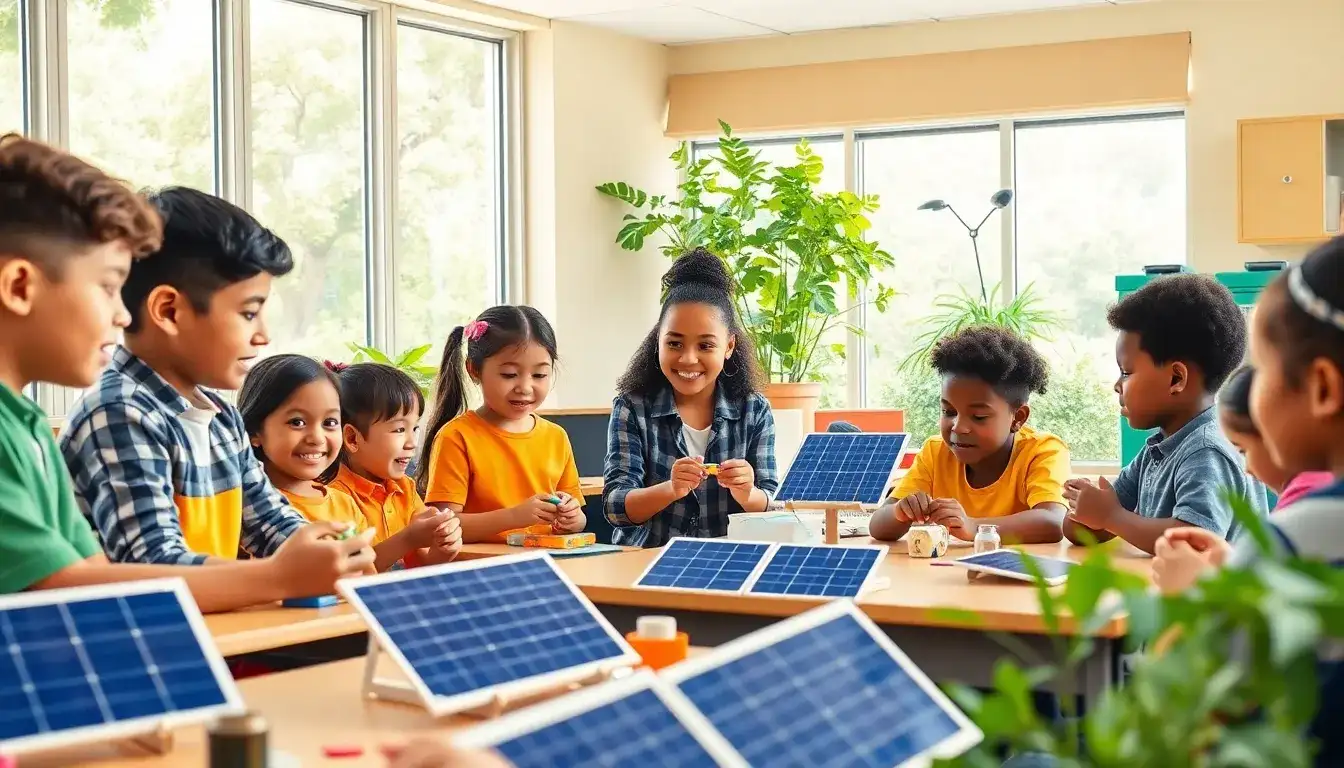
Schools can effectively integrate solar energy education into their curricula through a multifaceted approach that combines curriculum development, hands-on learning, teacher training, and community engagement. The key elements of successful integration include:
Developing and Aligning Curriculum Content
- Use existing accredited solar energy curricula as a foundation, ensuring alignment with local and state education standards and guidelines.
- Collaborate with curriculum developers and educational boards early in the process to secure buy-in and ensure the materials meet academic requirements.
- Incorporate interdisciplinary lessons covering science, technology, engineering, and mathematics (STEM) linked to solar energy principles such as photovoltaic technology, energy production, and sustainability.
Hands-On, Experiential Learning
- Implement practical projects where students build or experiment with solar-powered devices such as model cars or solar cookers.
- Use onsite solar installations as living laboratories; students can monitor energy production, analyze real data, and understand solar technology in action.
- Mobile solar labs (e.g., solar wagons) provide dynamic learning experiences through demonstrations and data capture, enhancing student engagement.
Teacher Preparation and Resources
- Provide training and professional development for teachers to effectively deliver solar energy lessons and use technical materials or equipment.
- Equip educators with lesson plans, experiments, and digital tools tailored to various grade levels to facilitate a smooth curriculum integration.
Promoting Environmental Awareness and Sustainability Mindset
- Integrate discussions about climate change, energy conservation, and the environmental benefits of solar power to nurture students’ environmental stewardship.
- Position solar education as a means to cultivate sustainability-minded citizenship and prepare students to contribute to future renewable energy innovations.
Engaging the Wider Community
- Use school solar projects as showcases to educate not only students but also parents and community members, building broader support for renewable energy.
- Encourage partnerships between schools, local government, and renewable energy organizations to expand resources and opportunities.
By embedding solar energy education into the fabric of school curricula through standards-aligned content, hands-on applications, teacher support, and community involvement, schools can empower students with critical STEM skills and a deep understanding of sustainability, preparing them to be advocates and innovators in a solar-powered future.
Original article by NenPower, If reposted, please credit the source: https://nenpower.com/blog/how-can-schools-effectively-integrate-solar-energy-education-into-their-curricula/

