

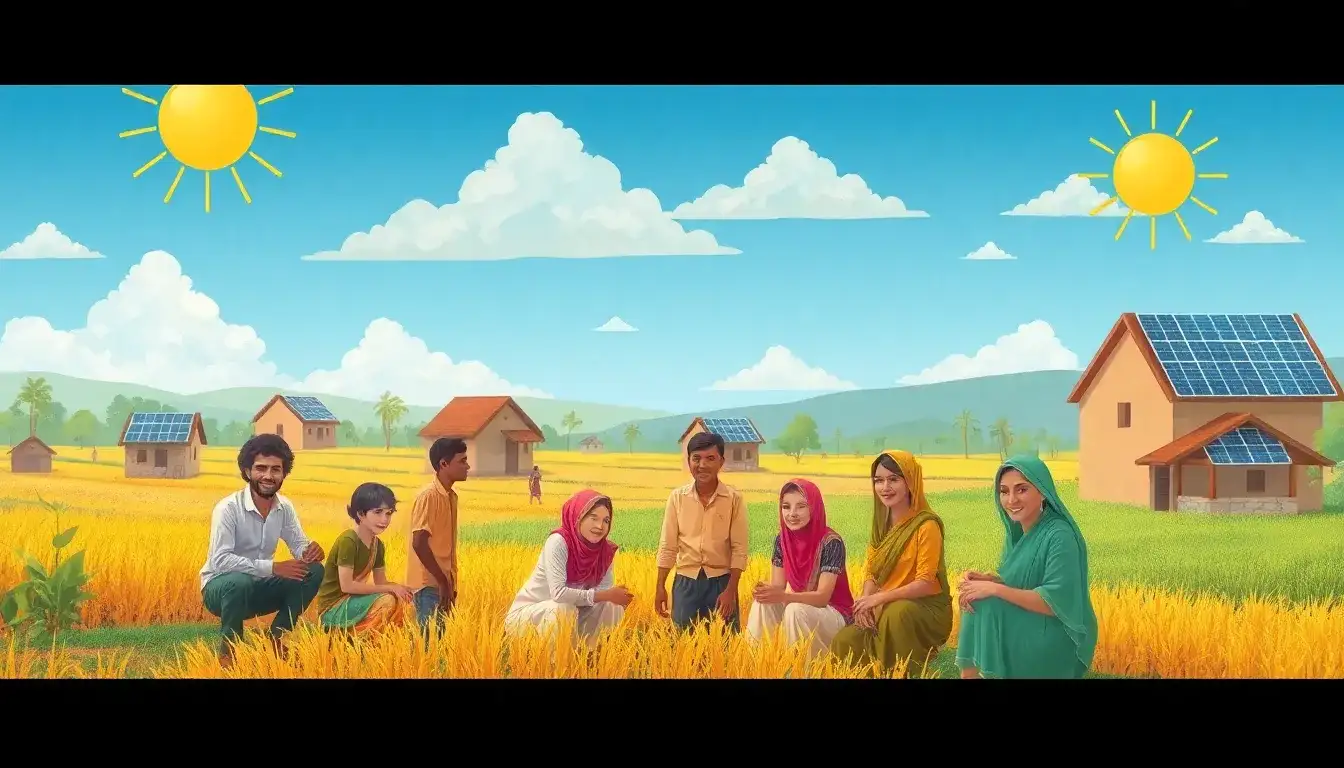
Rural communities can overcome the initial capital barriers for solar energy installations primarily through various government-supported financial programs, grants, and loan guarantees designed specifically to support renewable energy development in these areas.
Key Financial Support Options for Rural Solar Energy
1. USDA Rural Energy for America Program (REAP):
This is a major program that provides guaranteed loan financing and grant funding to agricultural producers and rural small businesses to install renewable energy systems or improve energy efficiency. The program offers:
- Loan guarantees to reduce financing risk for lenders
- Grants to cover a portion of project costs
- Eligibility for agricultural producers with at least 50% of income from agriculture, small rural businesses, cooperatives, electric utilities serving rural areas, and Tribal entities
This helps offset upfront capital costs and makes solar projects financially viable.
2. USDA Energy Programs and Grants:
In addition to REAP, the USDA offers other energy programs like the Rural Energy Pilot Program (REPP), which provides financial assistance grants to rural communities aiming to develop renewable energy projects.
3. Large-Scale Federal Funding Initiatives:
The USDA recently committed $2.3 billion in funding aimed at strengthening energy infrastructure and renewable energy projects in rural America, including solar. This funding targets cooperatives and projects serving disadvantaged and Tribal communities, supporting reliable and affordable clean energy deployment.
4. Community Solar and Nonprofit Partnerships:
Programs such as the EPA’s Solar for All initiative and coalitions like Groundswell’s Southeast Rural Power: SFA provide community solar projects with financing, development support, workforce training, and outreach, which can reduce financial and technical barriers within rural areas. These efforts also promote shared solar ownership models that require less direct capital investment by individuals.
Additional Strategies to Overcome Capital Barriers
- Loan Guarantees and Grants: Combining grants with low-interest loan guarantees reduces the financial risk for lenders and lowers the capital burden for rural project developers.
- Cooperative Models: Electric cooperatives and community-owned solar projects pool resources and share capital costs, allowing rural residents to benefit collectively from solar installations.
- Public-Private Partnerships: Collaborations between rural governments, nonprofits, and private solar developers can provide technical expertise and capital financing.
- Workforce Development and Technical Assistance: Programs that support entrepreneurial solar developers and installers in rural areas help reduce installation and operational costs, making projects more affordable and easier to finance.
In summary, rural communities can leverage a combination of federal and state grants, guaranteed loan programs like USDA’s REAP, community solar initiatives, and partnerships to surmount the initial capital costs for solar energy installations, enabling greater access to sustainable and affordable energy solutions.
Original article by NenPower, If reposted, please credit the source: https://nenpower.com/blog/how-can-rural-communities-overcome-the-initial-capital-required-for-solar-energy-installations/

