

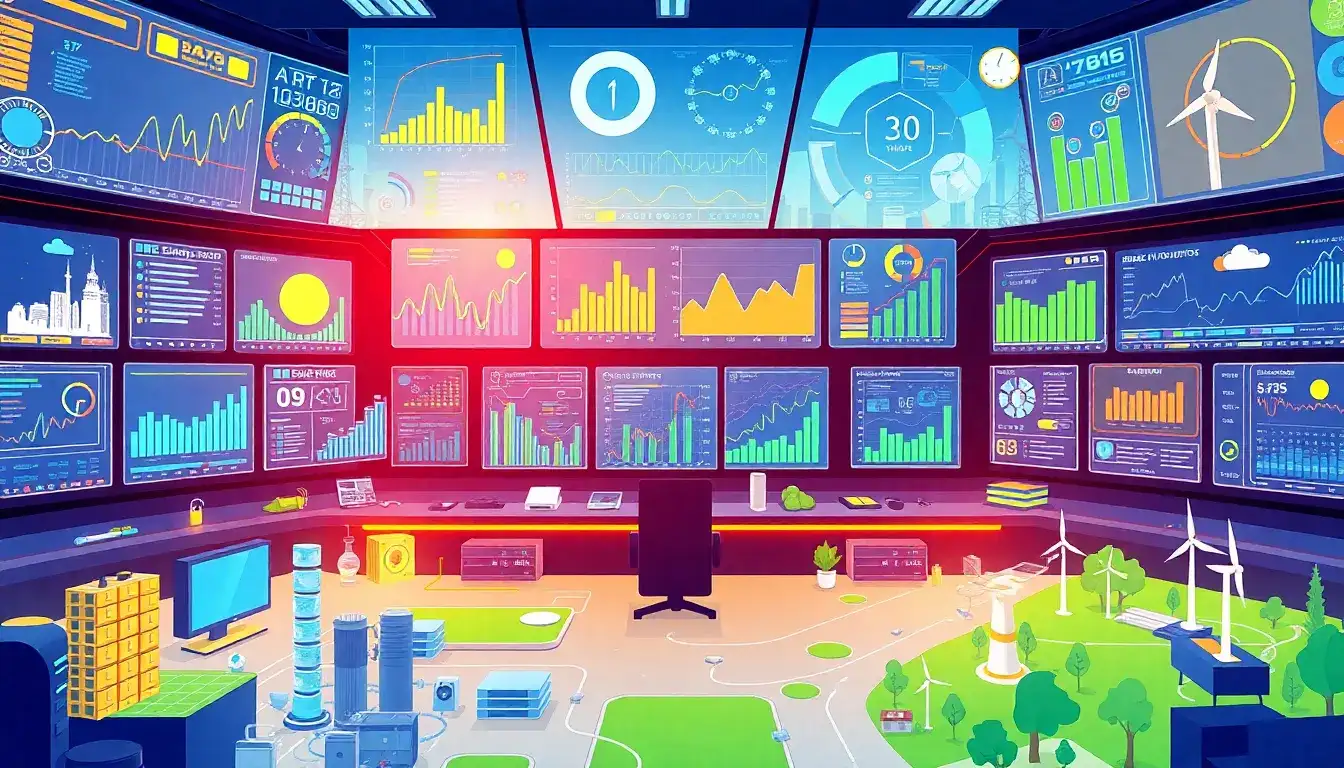
Real-time monitoring significantly enhances the ability to predict energy demand through several key mechanisms:
Predictive Analytics
- Data Collection and Analysis: Real-time data processing involves the immediate collection and continuous analysis of energy consumption data. This immediate feedback allows for the identification of usage patterns and anomalies, which are crucial for predictive analytics.
- Advanced Algorithms: Predictive analytics uses historical and real-time data to forecast future energy demand. Advanced algorithms, such as machine learning and AI, analyze these data to predict consumption patterns accurately.
- Smart Grid Integration: Real-time data from smart grids and IoT devices help in creating adaptive models that adjust forecasts based on real-time consumption changes, ensuring a stable energy supply.
Technologies Facilitating Real-Time Monitoring
- IoT Devices and Smart Meters: IoT sensors and smart meters provide detailed, real-time energy usage data, which is essential for accurate forecasting. They capture energy consumption data at a granular level, enabling precise demand prediction.
- AI and Machine Learning: AI and ML algorithms process real-time data to identify trends and anomalies, enhancing forecasting accuracy over time. These technologies continuously learn from new data, improving predictive models.
Benefits in Predicting Energy Demand
- Accuracy and Reliability: Continuous monitoring and analysis ensure that forecasts remain accurate, reducing the likelihood of power shortages or oversupply.
- Timely Interventions: Real-time monitoring allows for immediate adjustments based on forecast results, enabling utilities to manage peak demand periods effectively.
- Optimization of Resources: Predictive analytics supported by real-time data help in optimizing energy resources, minimizing waste, and ensuring a stable energy supply.
In summary, real-time monitoring is essential for predicting energy demand by leveraging advanced technologies like IoT, smart meters, AI, and ML to provide immediate insights into energy consumption patterns. This approach enhances forecast accuracy, allows for timely interventions, and optimizes energy resource allocation.
Original article by NenPower, If reposted, please credit the source: https://nenpower.com/blog/how-can-real-time-monitoring-help-in-predicting-energy-demand/

