

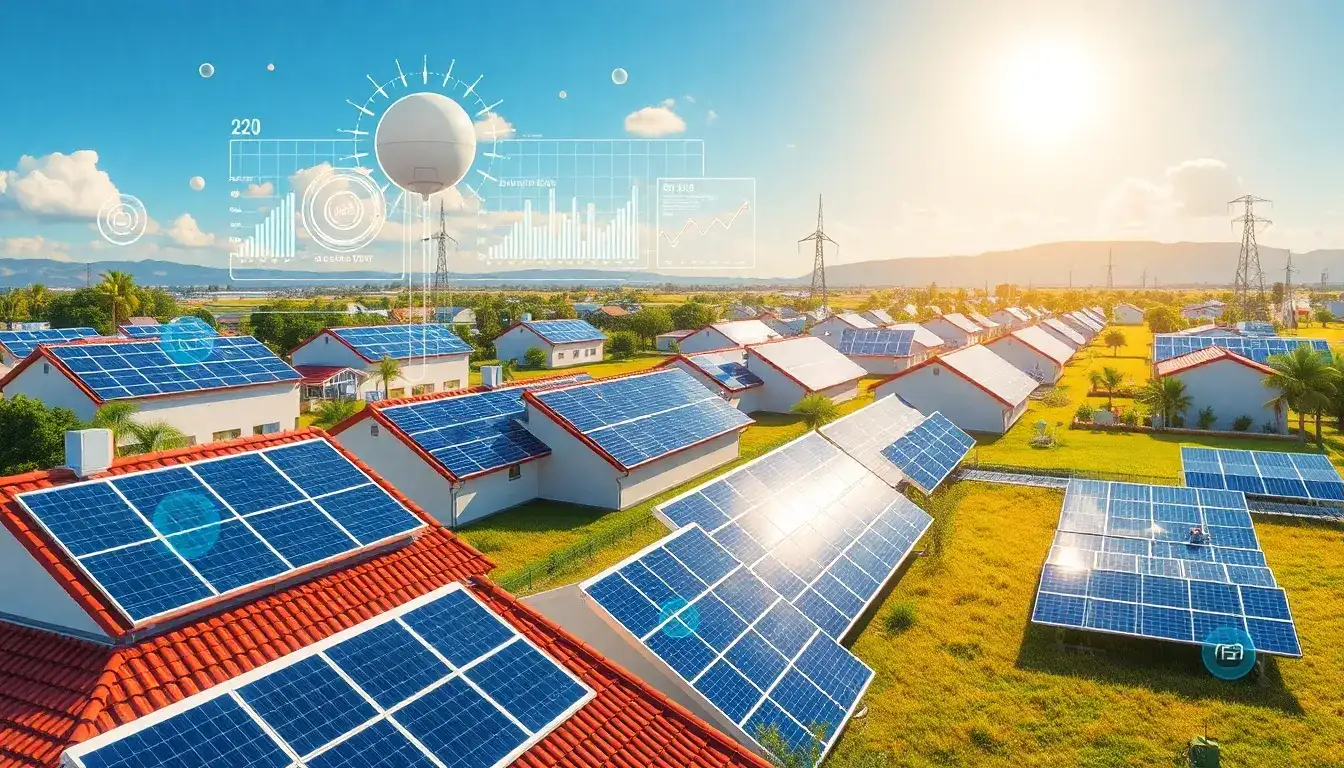
Real-time data collection significantly improves the efficiency of solar panels by enabling continuous monitoring, immediate problem detection, and proactive system optimization. This approach harnesses sensor data, weather inputs, and equipment performance metrics to provide instant insights that help maximize energy production and reduce downtime.
Key Ways Real-Time Data Collection Enhances Solar Panel Efficiency
1. Continuous Performance Monitoring
Real-time data integration allows solar operators to track energy generation minute-by-minute, ensuring that each panel and system component is performing optimally. By gathering data from IoT devices such as smart inverters, energy meters, and weather sensors, system performance can be observed continuously, revealing trends and anomalies that impact efficiency.
2. Immediate Identification and Resolution of Issues
With real-time data, operators can quickly detect underperforming panels, shading effects, dirt accumulation, or hardware malfunctions. This immediate awareness helps to address problems before they significantly reduce energy output, thereby preventing efficiency losses that would occur with delayed, reactive maintenance.
3. Predictive and Proactive Maintenance
Real-time monitoring feeds data into advanced algorithms, often powered by AI, which can predict maintenance needs and optimize repair schedules. This approach minimizes downtime and ensures that maintenance activities do not interrupt energy production unnecessarily.
4. Adaptive Energy Output Management
Solar energy generation depends heavily on changing conditions like sunlight intensity and weather. Real-time data enables dynamic adjustments to system parameters—such as inverter settings or panel alignment controls—based on current conditions to optimize energy yield at all times.
5. Enhanced Forecasting and Decision-Making
By combining historical data with real-time inputs, solar businesses can improve forecasting accuracy for energy production and consumption. This leads to better energy distribution management and scalability of solar operations.
6. Improved Customer Experience
Providing end users with real-time access to their energy usage and savings data increases transparency and engagement, encouraging more efficient energy use and satisfaction with the solar system.
Overall, real-time data collection transforms solar energy systems into smart, responsive operations that can maximize efficiency, reduce operational costs, and improve reliability through immediate visibility, timely interventions, and data-driven optimization.
Summary Table
| Benefit | Description |
|---|---|
| Continuous Monitoring | Tracks system KPIs and energy output in real-time |
| Rapid Issue Detection | Quickly identifies shading, dirt, or faults impacting panel performance |
| Predictive Maintenance | Uses AI and data analytics to schedule maintenance before failures occur |
| Adaptive Output Management | Adjusts system parameters based on current weather and operational conditions |
| Improved Forecasting | Combines real-time and historical data for better energy production and distribution |
| Enhanced Customer Insights | Provides immediate access to energy usage and savings data for users |
This integration of real-time data collection is essential for optimizing solar panel efficiency and supporting the ongoing transition to sustainable energy solutions.
Original article by NenPower, If reposted, please credit the source: https://nenpower.com/blog/how-can-real-time-data-collection-improve-the-efficiency-of-solar-panels/

