

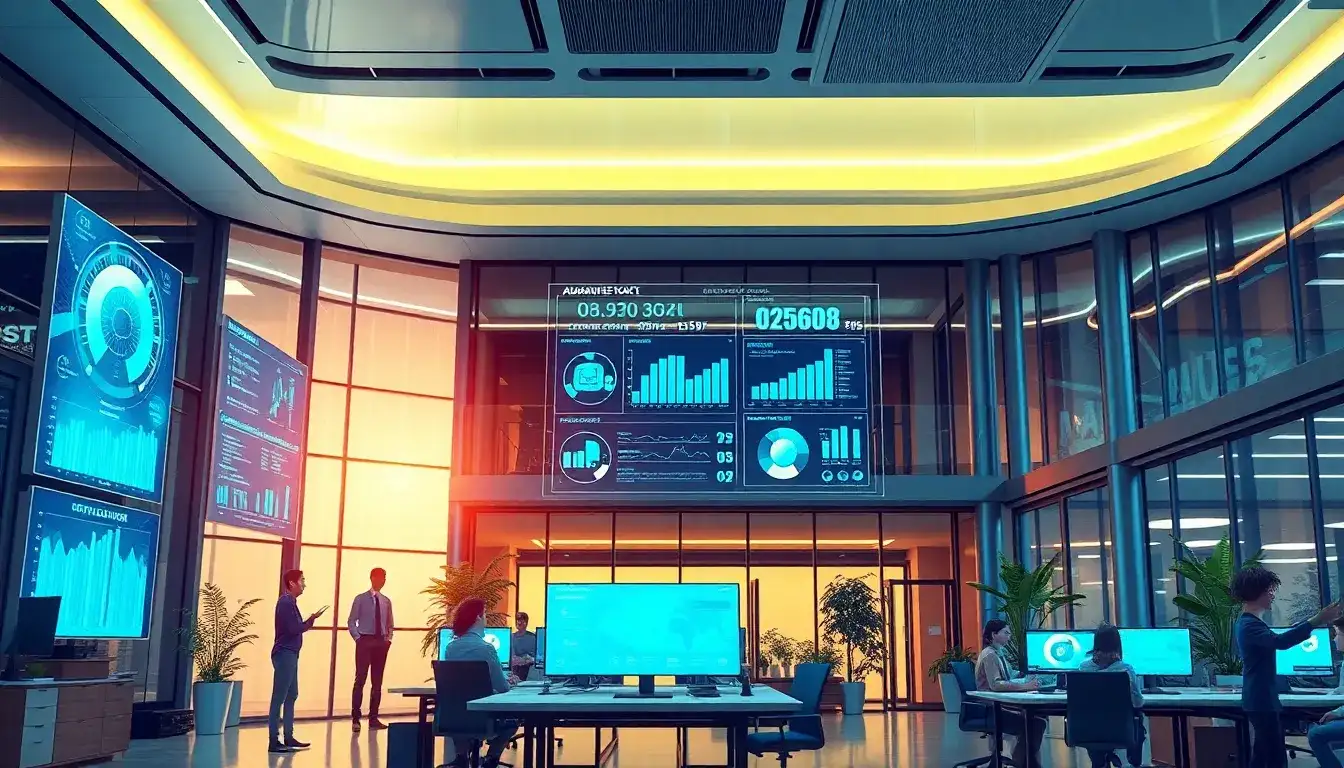
Office buildings can effectively utilize real-time monitoring to reduce peak energy demand through several modern technologies and strategies. Here’s how these methods can be implemented:
Real-Time Monitoring Technologies
- Advanced Sensors and IoT Integration:
- Usage: Install smart meters and wireless energy monitors to track electricity consumption in real-time. These devices can easily monitor energy usage across multiple circuits and devices without extensive wiring.
- Benefits: Provides detailed data for energy optimization, offers real-time alerts for unusual consumption patterns, and allows remote monitoring via smart devices.
- Machine Learning and Artificial Intelligence (AI):
- Usage: Leverage ML and AI to analyze consumption patterns, identify trends and anomalies, and automatically adjust HVAC and lighting settings for optimal energy efficiency.
- Benefits: Predicts future energy demand and optimizes energy use without compromising comfort levels.
Real-Time Monitoring Applications
- Peak Demand Management:
- Strategy: Use real-time data to identify peak hours and adjust energy-intensive operations accordingly. Schedule high-energy tasks during off-peak hours to reduce peak demand charges.
- Tools: Set up alerts for peak usage thresholds during operating and non-operating hours to manage demand more effectively.
- Automated Controls:
- Usage: Implement smart thermostats and occupancy sensors to automatically adjust HVAC and lighting based on occupancy levels and energy demand.
- Benefits: Reduces unnecessary energy consumption by ensuring systems operate only when needed.
- Data Analytics for Optimization:
- Usage: Analyze real-time data to uncover patterns in energy consumption and identify areas for improvement. Benchmark performance against broader metrics to assess effectiveness.
- Benefits: Provides insights to optimize energy usage, improve operational efficiency, and reduce costs.
- Preventive Maintenance:
- Usage: Utilize real-time monitoring to detect anomalies and potential equipment failures early. This approach minimizes downtime and extends equipment lifespan.
- Benefits: Supports preventive maintenance strategies, ensuring continuous efficiency and reducing operational costs.
Implementing Real-Time Monitoring Solutions
- On-Site Installation and Setup:
- Ensure all necessary hardware (sensors, smart meters) is installed correctly.
- Test the system to ensure accurate real-time data collection and transmission.
- Cloud-Based Monitoring Platforms:
- Use platforms like SmarterView to access real-time energy consumption data from any smart device.
- Set up customizable dashboards for easy monitoring and receive real-time alerts for power surges or outages.
By integrating these strategies, office buildings can significantly reduce peak energy demand, enhance operational efficiency, and contribute to sustainability goals while maintaining a comfortable environment for occupants.
Original article by NenPower, If reposted, please credit the source: https://nenpower.com/blog/how-can-office-buildings-utilize-real-time-monitoring-to-reduce-peak-energy-demand/

