

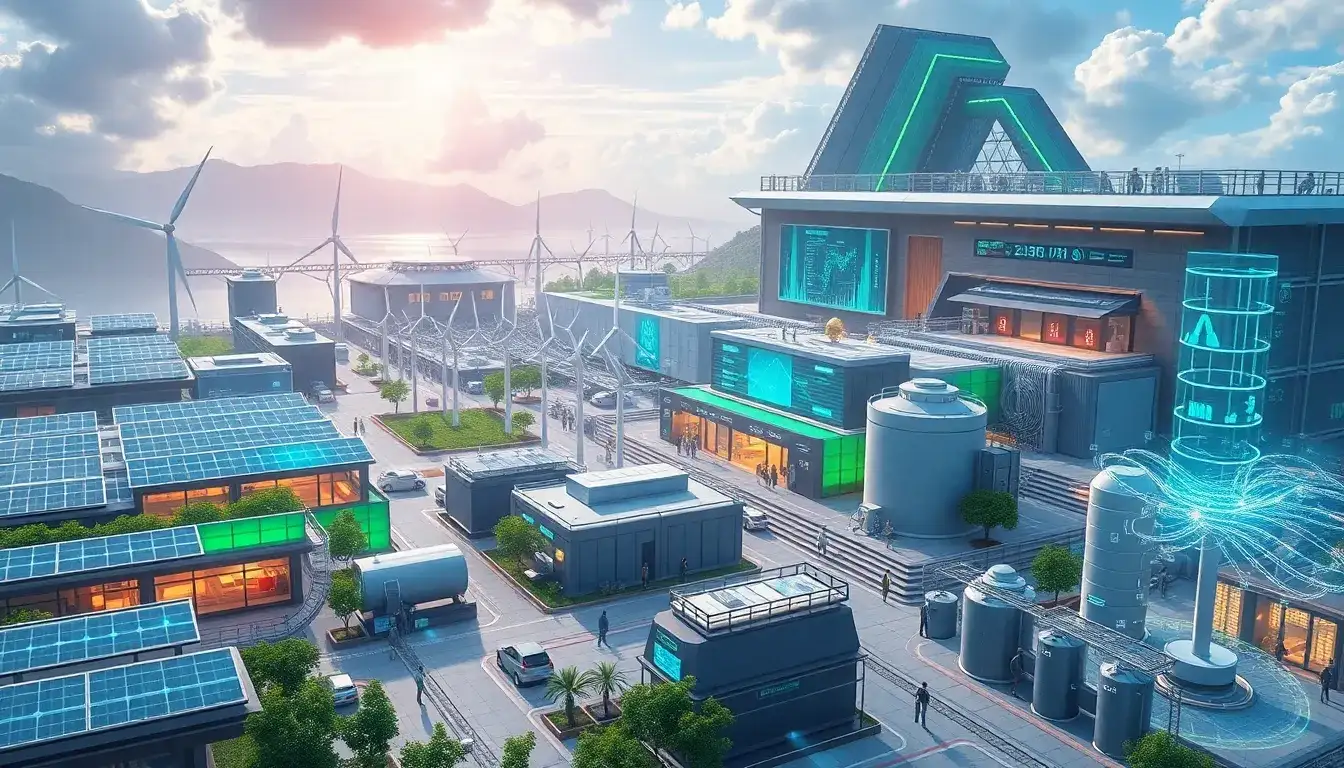
Designing new market-based mechanisms to support long-duration energy storage (LDES) requires understanding its unique challenges and benefits. LDES systems are capable of storing and discharging energy for ten or more hours, making them crucial for addressing long-term intermittency in renewable energy sources like wind and solar. However, the current market lacks incentives for developers to invest in LDES, primarily due to a reliance on short-term arbitrage opportunities and ancillary services. Here are some strategies to design supportive mechanisms:
Key Challenges and Opportunities
- Economic Incentives: Current market mechanisms often fail to provide sufficient financial returns to justify investments in LDES. Developing mechanisms that offer economic incentives specifically for longer storage durations is essential.
- Capacity Markets: Enhancing capacity markets to reward LDES for providing long-term reliability and stability could help. Currently, these markets primarily focus on short-duration solutions.
- Regulatory Frameworks: Governments and regulatory bodies need to create comprehensive frameworks that encourage LDES development through subsidies, tax incentives, or other fiscal benefits.
- Market Risk Management: Developing financial instruments or insurance products that mitigate the risks associated with LDES investments could attract more investors.
Designing Supportive Mechanisms
1. Incentivized Long-Term Contracts
- Long-Term Agreements: Encourage long-term contracts between utilities, governments, or large consumers and LDES providers. These contracts should guarantee a minimum revenue stream for storing energy over extended periods.
2. Enhanced Capacity Market Mechanisms
- Duration-Based Pricing: Implement pricing structures within capacity markets that reward higher durations of energy storage. This could involve tiered pricing based on the duration of service provided.
3. Risk Management Tools
- Insurance and Hedging Products: Develop insurance policies or hedging instruments to protect LDES operators from financial loss during periods of low demand or when the stored energy is not utilized.
4. Public-Private Partnerships
- Funding and Research Collaborations: Foster partnerships between governments, research institutions, and private companies to fund R&D and pilot projects for LDES, helping to reduce costs and improve efficiency.
5. Regulatory Support
- Tax Incentives and Subsidies: Implement policies offering tax credits, grants, or subsidies specifically aimed at supporting LDES development and deployment.
6. Market Education and Awareness
- Educational Programs: Promote awareness among stakeholders about the benefits of LDES, including its role in ensuring grid stability and reliability in a decarbonized future.
By addressing the economic, regulatory, and market challenges through these mechanisms, it is possible to create a supportive environment for LDES to flourish.
Original article by NenPower, If reposted, please credit the source: https://nenpower.com/blog/how-can-new-market-based-mechanisms-be-designed-to-support-long-duration-energy-storage/

