

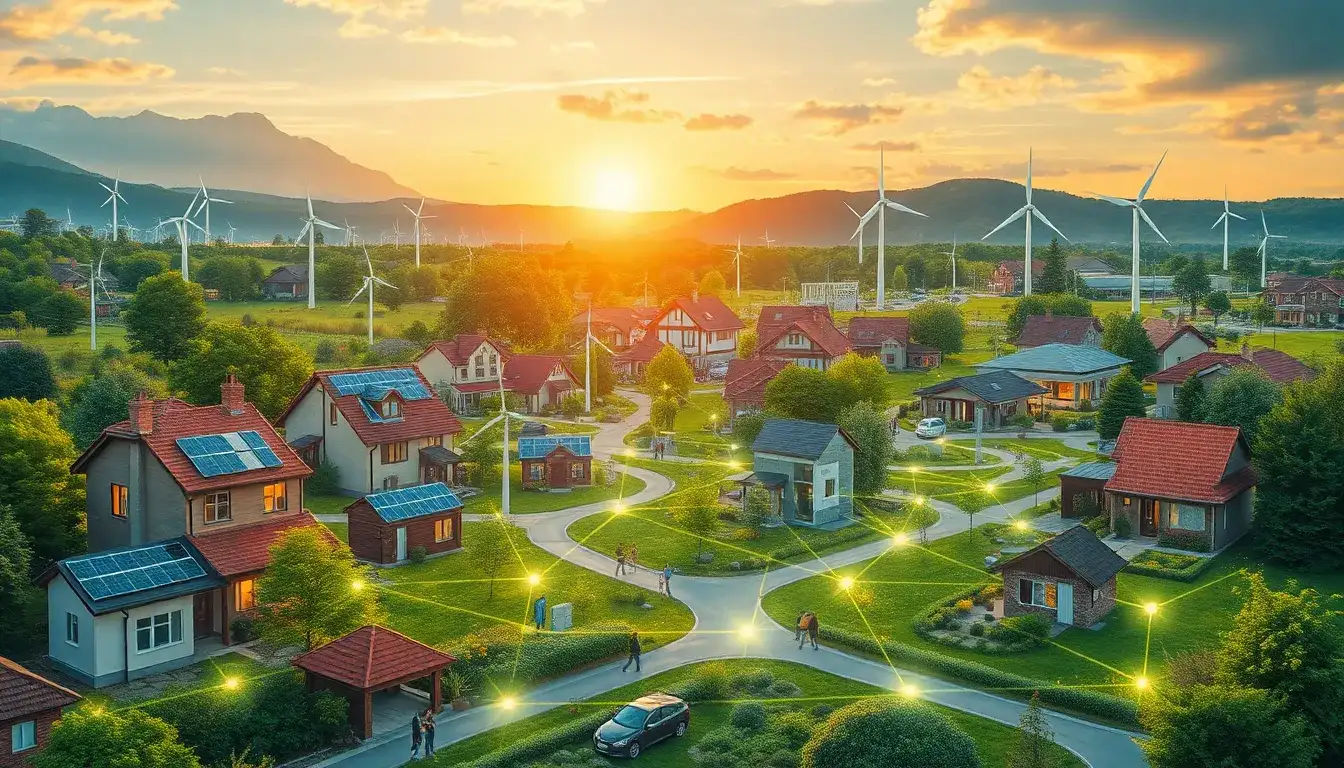
Microgrids can significantly contribute to achieving 100% clean energy goals by integrating renewable energy sources, enhancing energy independence, and reducing carbon emissions. Here are some key ways microgrids support the transition to clean energy:
Integration of Renewable Energy
- Solar, Wind, and Biogas: Microgrids can be powered by solar, wind, and biogas, which are cleaner alternatives to fossil fuels. These renewable sources help reduce reliance on carbon-intensive energy generation.
- Customization and Scalability: Microgrids can be designed to meet specific local needs and can scale up or down as required, making them ideal for integrating more renewable energy sources into the grid.
Energy Independence and Resilience
- Local Generation: Microgrids generate power locally, minimizing transmission losses and enhancing grid resilience. This allows communities to maintain power even during grid outages, reducing dependence on external energy supplies.
- Autonomy: By enabling local control and autonomy, microgrids empower communities to manage their energy needs independently, which supports broader clean energy objectives.
Emissions Reduction and Decarbonization
- Reducing Greenhouse Gas Emissions: Microgrids help reduce greenhouse gas emissions by displacing fossil fuels with renewable energy sources, which is critical for meeting national and global decarbonization goals.
- Policy and Regulatory Support: Policies like renewable portfolio standards and clean energy goals encourage the adoption of microgrids as a means to achieve zero-carbon targets in various regions.
Innovative Technologies and Efficiency
- Advanced Energy Storage and Fuel Cells: Microgrids can incorporate advanced energy storage technologies and fuel cells, enhancing their efficiency and reducing emissions further.
- Grid Interconnectivity: By integrating with the main grid when needed and disconnecting during emergencies, microgrids provide a flexible framework for managing renewable energy flows efficiently.
In summary, microgrids are crucial in transitioning towards 100% clean energy by providing localized renewable power, improving energy resilience, reducing emissions, and supporting broader climate goals.
Original article by NenPower, If reposted, please credit the source: https://nenpower.com/blog/how-can-microgrids-contribute-to-achieving-100-clean-energy-goals/

