

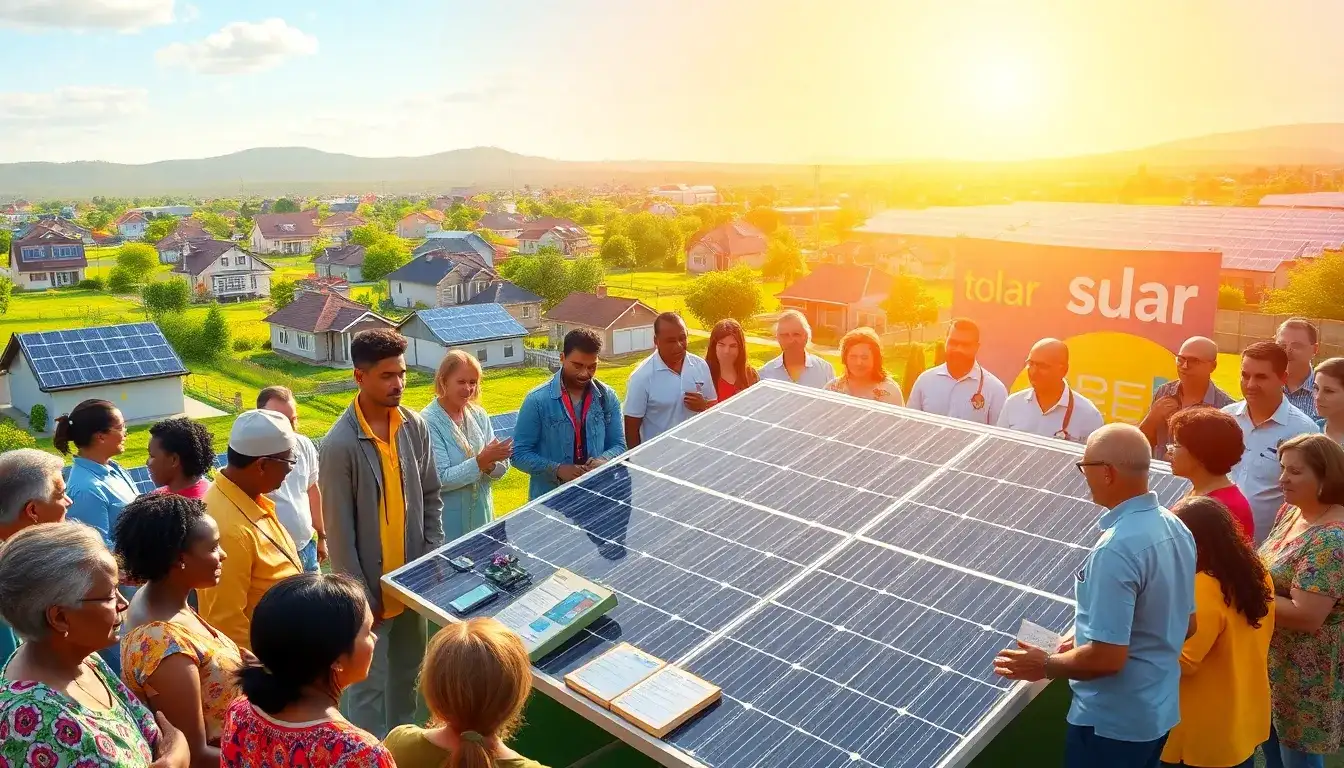
Local organizations face several challenges when promoting solar energy, including lack of consumer awareness, technical and financial barriers, and policy hurdles. To overcome these, they can adopt a multi-faceted approach involving education, partnerships, technical support, and advocacy.
Strategies for Overcoming Challenges in Promoting Solar Energy
1. Increase Community Awareness and Education
Many consumers, especially in low and middle-income communities, are not aware of solar energy opportunities available to them. Local organizations can conduct workshops, webinars, and community events to educate residents about the benefits of solar power and how to access it. Utilizing success stories and customer testimonials can also enhance credibility and interest.
2. Build Partnerships Across the Community
Collaborating with local governments, municipal utilities, educational institutions, non-profits, and chambers of commerce provides access to resources and expertise that amplify solar promotion efforts. These partnerships can help create stronger outreach programs, develop workforce training, and facilitate community buy-in. For instance, in Southwest Virginia, a Solar Workgroup partnership created jobs and developed a local renewable energy industry.
3. Leverage Technical Assistance Programs
Organizations like the National Renewable Energy Laboratory (NREL) and initiatives such as Innovation at SCALE offer no-cost technical and analytical assistance to communities. These experts provide consultation on solar adoption processes, analyze site-specific data, review program designs, and share effective strategies from prior solar projects. Engaging such support can reduce technical barriers and help tailor solar programs to local needs.
4. Advocate for Supportive Local Policies
Local energy advocacy groups like Solar United Neighbors help influence political policies that facilitate solar adoption. These organizations work to pass legislation that improves access to solar energy and protects consumer rights as energy producers, which is crucial for accelerating community-level solar deployment.
5. Promote Community Solar and Cooperative Models
Encouraging cooperative solar programs where neighbors join forces to install solar on multiple homes can reduce individual costs and increase participation. This model has proven effective in mobilizing community members and creating local momentum for solar energy adoption.
Summary Table of Key Approaches
| Challenge | Strategy to Overcome | Example or Resource |
|---|---|---|
| Lack of Awareness | Community education, workshops, events | Solar workshops, webinars, customer testimonials |
| Limited Resources/Expertise | Partnerships with local gov’t and NGOs | Solar Workgroup in Southwest Virginia |
| Technical Barriers | Access to technical assistance | NREL’s Innovation at SCALE program |
| Policy & Regulatory Hurdles | Advocacy and policy engagement | Solar United Neighbors’ local policy campaigns |
| High Costs for Individuals | Community solar, cooperatives | Mt. Pleasant Solar Cooperative model |
By implementing these strategies, local organizations can effectively address the hurdles to solar energy adoption, increasing access and equity in their communities and fostering a sustainable energy future.
Original article by NenPower, If reposted, please credit the source: https://nenpower.com/blog/how-can-local-organizations-overcome-the-challenges-of-promoting-solar-energy/

