

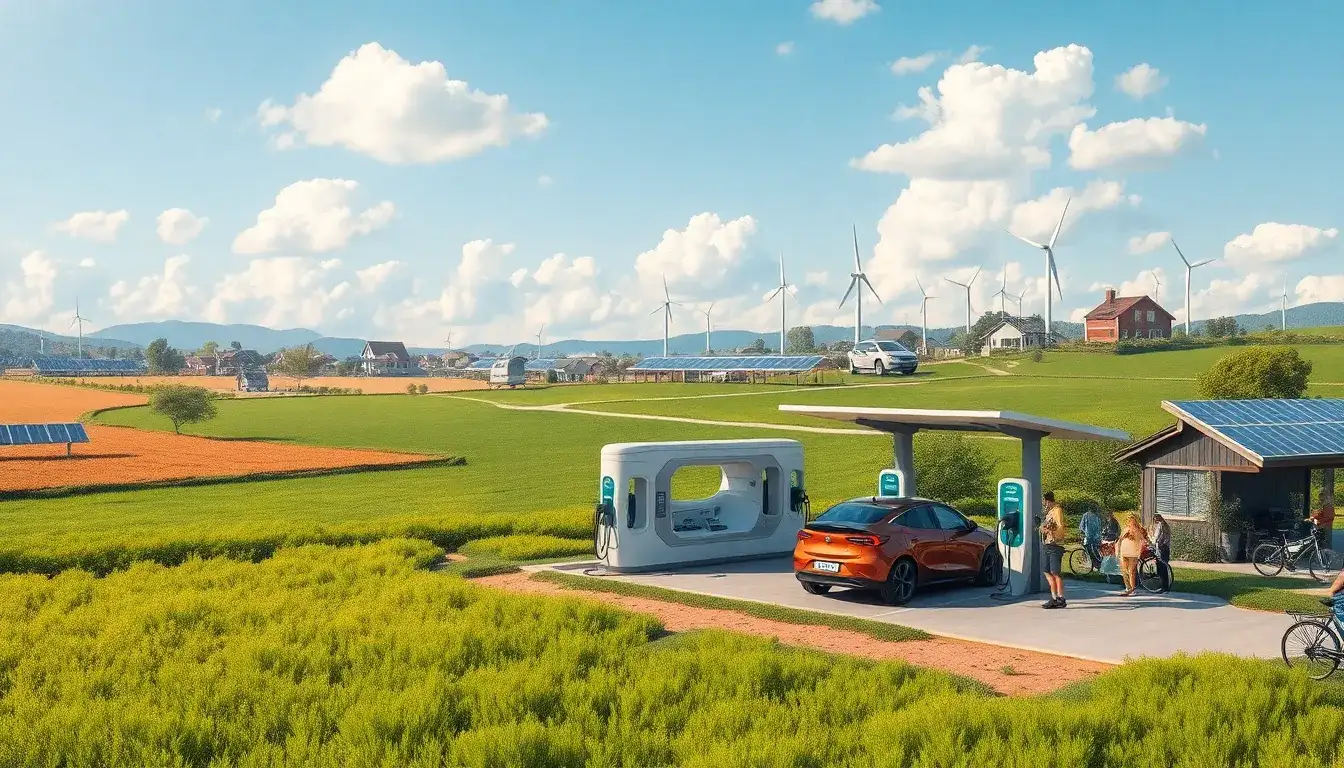
Funding and Financial Incentives
- Leverage federal programs like grants from the U.S. Department of Transportation and Department of Energy (e.g., Alaska’s $1 million grant for EV charging deployment).
- Combine federal aid with state/local funds to offset upfront costs, using tools like tax credits, rebates, or low-interest loans.
- Incentivize private investment through public-private partnerships to share installation and maintenance costs.
Planning and Site Selection
- Conduct needs assessments using frameworks like the AFDC’s Infrastructure Development Checklist, prioritizing sites near existing infrastructure, utilities, and high-traffic areas.
- Expand electrical capacity by collaborating with utilities to preemptively upgrade grids and simplify metering.
- Future-proof installations by selecting locations with room for expansion and durable charging equipment suited to rural weather conditions.
Partnerships and Technical Support
- Engage utilities early to address electrical service upgrades and rate structures.
- Partner with Clean Cities coalitions for technical guidance on equipment selection, permitting, and compliance.
- Streamline permitting by adopting standardized codes and fast-tracking approvals for EV projects.
Innovation and Maintenance
- Deploy fast-charging technology to reduce downtime and improve practicality for rural drivers.
- Secure long-term maintenance plans by allocating budgets for repairs and collaborating with certified contractors.
- Monitor usage data through networked stations to optimize operations and justify future investments.
By integrating these strategies, local governments can address rural EV charging gaps while promoting equitable access to clean transportation.
Original article by NenPower, If reposted, please credit the source: https://nenpower.com/blog/how-can-local-governments-better-support-the-installation-of-ev-charging-stations-in-rural-areas/

