

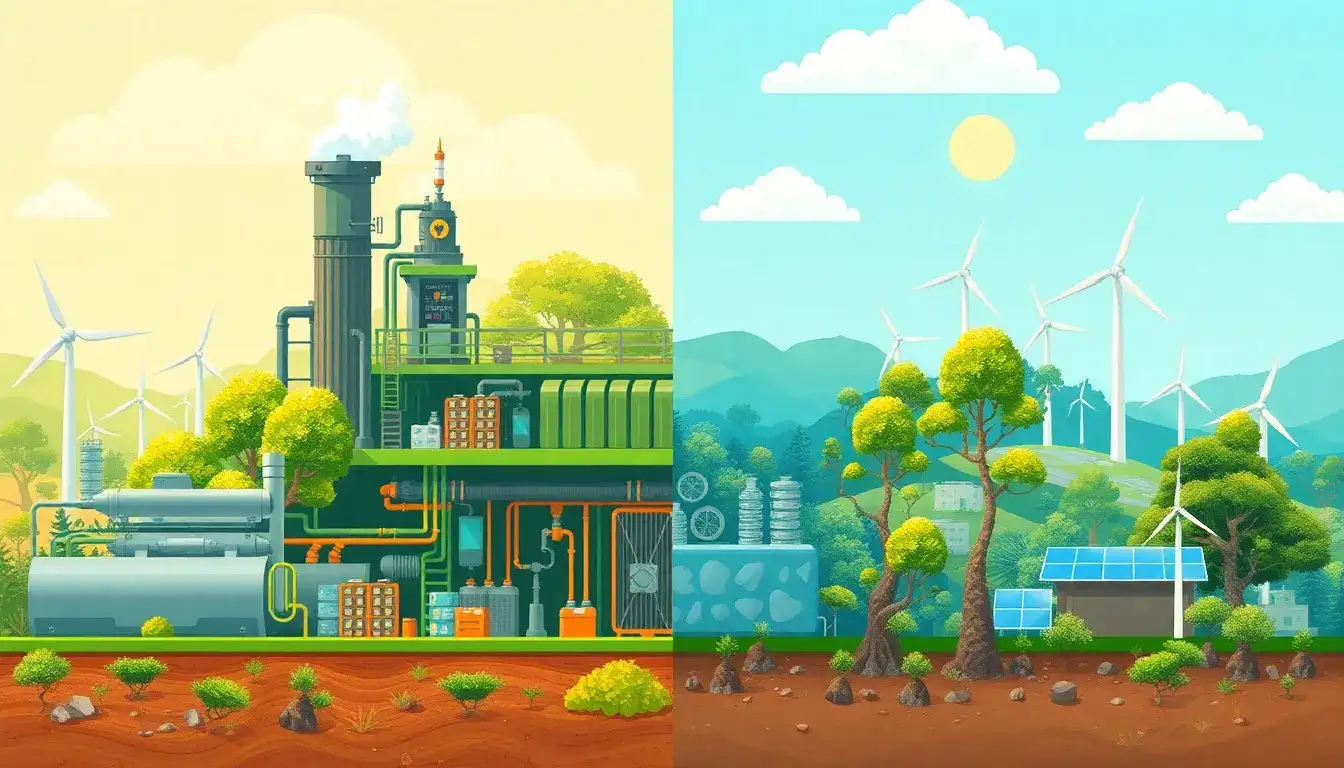
Lithium-ion battery recycling can significantly reduce greenhouse gas (GHG) emissions in several ways:
Reduction in Energy Consumption and GHG Emissions
- Lower Energy Use: Recycling lithium-ion batteries uses 77% to 89% less energy compared to mining and processing virgin metals. This reduction in energy consumption directly results in lower GHG emissions because it decreases the amount of fossil fuels burned for energy production.
- GHG Emissions Reduction: Recycling emits 58% to 81% fewer GHGs than traditional mining and processing methods. This substantial decrease is attributed to the avoidance of resource extraction processes that are energy-intensive and emit significant amounts of carbon.
Environmental Benefits of Scrap Material Recycling
- Scrap Material Efficiency: When recycling defective scrap materials, which account for about 90% of the recycled supply, the benefits are even more pronounced. This process results in only 19% of the GHG emissions, 12% of the water use, and 11% of the energy use compared to conventional mining.
Technological Innovations and Energy Sources
- Innovative Technologies: Companies like Redwood Materials have developed techniques such as “reductive calcination,” which operates at lower temperatures without fossil fuels, further reducing energy consumption and emissions.
- Clean Energy Use: The environmental benefits of recycling are enhanced when facilities use clean energy sources like solar, wind, or hydroelectric power instead of fossil fuels.
Economic and Supply Chain Benefits
- Supply Chain Optimization: Recycling reduces the need for extensive transport associated with mining raw materials, which involves long-distance international shipments.
- Closed-Loop Production: Recycling supports a closed-loop production system where materials are reused, reducing the overall carbon footprint of battery manufacturing.
Future Goals and Developments
- Decarbonization Targets: Companies like Ascend Elements aim to achieve significant reductions in carbon emissions by using recycled materials in battery production, targeting a 90% reduction by 2030.
- Technological Advancements: Continued innovation in recycling technologies will improve efficiency, recovery rates, and environmental impact, further enhancing GHG emission reductions.
Original article by NenPower, If reposted, please credit the source: https://nenpower.com/blog/how-can-lithium-ion-battery-recycling-reduce-greenhouse-gas-emissions/

