

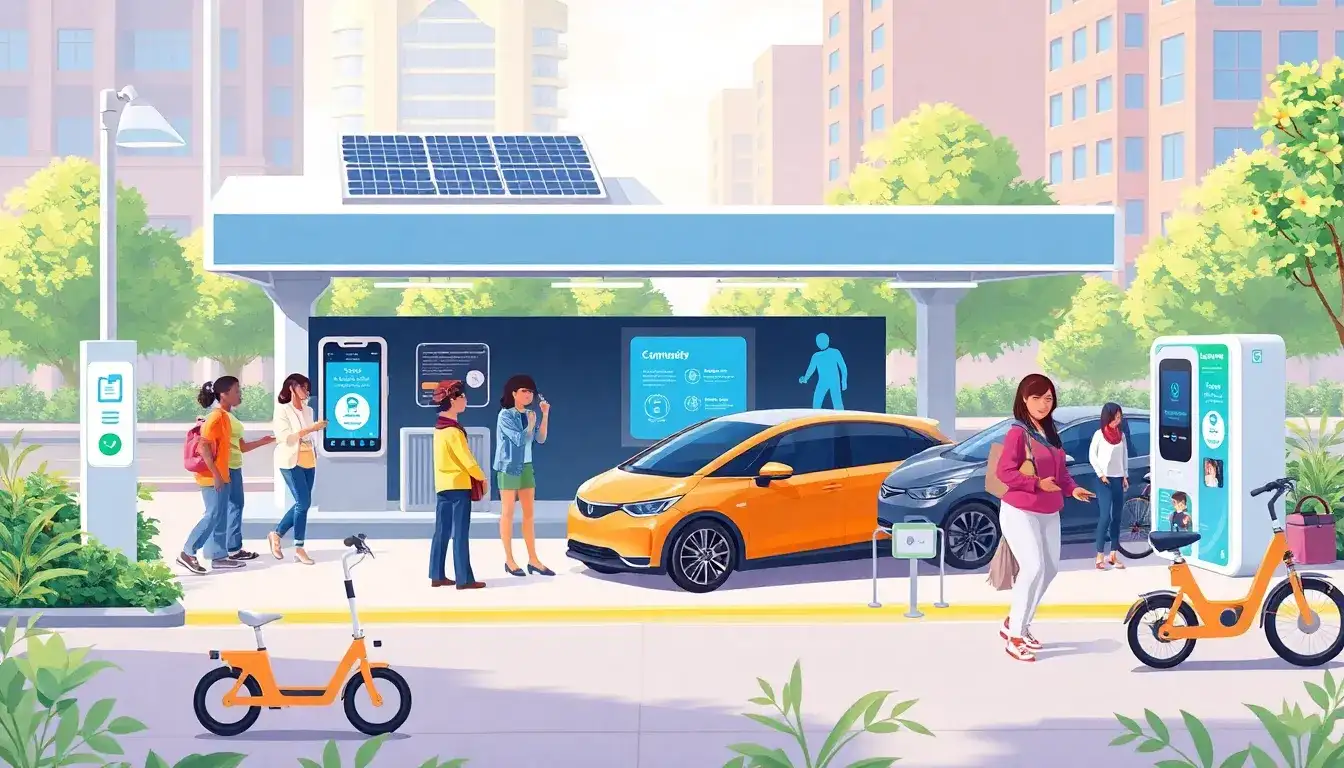
Key Benefits of Leasing EVs for Disadvantaged Communities
1. Lower Monthly Payments
- Leasing EVs typically involves lower monthly payments compared to purchasing or financing a vehicle outright. This is because leases usually require little to no down payment, making them more accessible for individuals with limited financial resources.
- For disadvantaged communities, this means more affordable transportation options.
2. Access to Advanced Technology
- Leasing allows individuals to drive newer models of EVs, which often come with improved technology, better efficiency, and environmental benefits. This means access to safer, more reliable, and more efficient vehicles without the high upfront cost of purchasing them.
3. No Long-term Depreciation Concerns
- Electric vehicles generally depreciate faster than traditional gasoline cars. However, leasing mitigates this concern by allowing lessees to return the vehicle at the end of the lease term, without having to worry about selling a depreciated asset. This is particularly beneficial for those who might not have the resources to absorb significant depreciation costs.
4. Maintenance and Warranty Inclusions
- Many EV leases include comprehensive maintenance and warranty coverage, which can protect against unexpected repair costs. This is especially valuable for disadvantaged communities where budget constraints might make it difficult to cover maintenance expenses.
5. Government Incentives
- While not specifically mentioned in the context of leasing, many governments offer incentives for EV adoption, such as tax credits or rebates. These can further reduce the financial burden of leasing an EV, making it more accessible to disadvantaged communities.
6. Environmental Benefits
- Leasing EVs promotes environmental sustainability, which can be crucial for marginalized communities often disproportionately affected by pollution. By transitioning to EVs, these communities can contribute to reducing their carbon footprint and improving air quality.
7. Flexibility and Upgradability
- Leasing contracts are typically short-term, allowing lessees to upgrade to newer models every few years. This means they can stay current with the latest EV technology and features, which is beneficial for maintaining safety and efficiency standards.
Additional Considerations for Disadvantaged Communities
Community Programs and Subscriptions
- Electric Vehicle Subscriptions: There is a growing trend towards car subscription services, which may offer even more flexibility and cost-effectiveness compared to traditional leasing models. These services could potentially provide additional benefits such as inclusive insurance and maintenance, making access to EVs more streamlined and affordable for disadvantaged communities.
Policy Support
- Governments and local authorities could enhance the cost-effectiveness of EV leasing by implementing targeted policies and incentives. For example, subsidies specifically for low-income households could further reduce leasing costs and make EVs more accessible.
Overall, leasing EVs can provide disadvantaged communities with affordable, environmentally friendly transportation options, while also offering flexibility and cost savings over traditional vehicle ownership models.
Original article by NenPower, If reposted, please credit the source: https://nenpower.com/blog/how-can-leasing-evs-be-more-cost-effective-for-disadvantaged-communities/

