

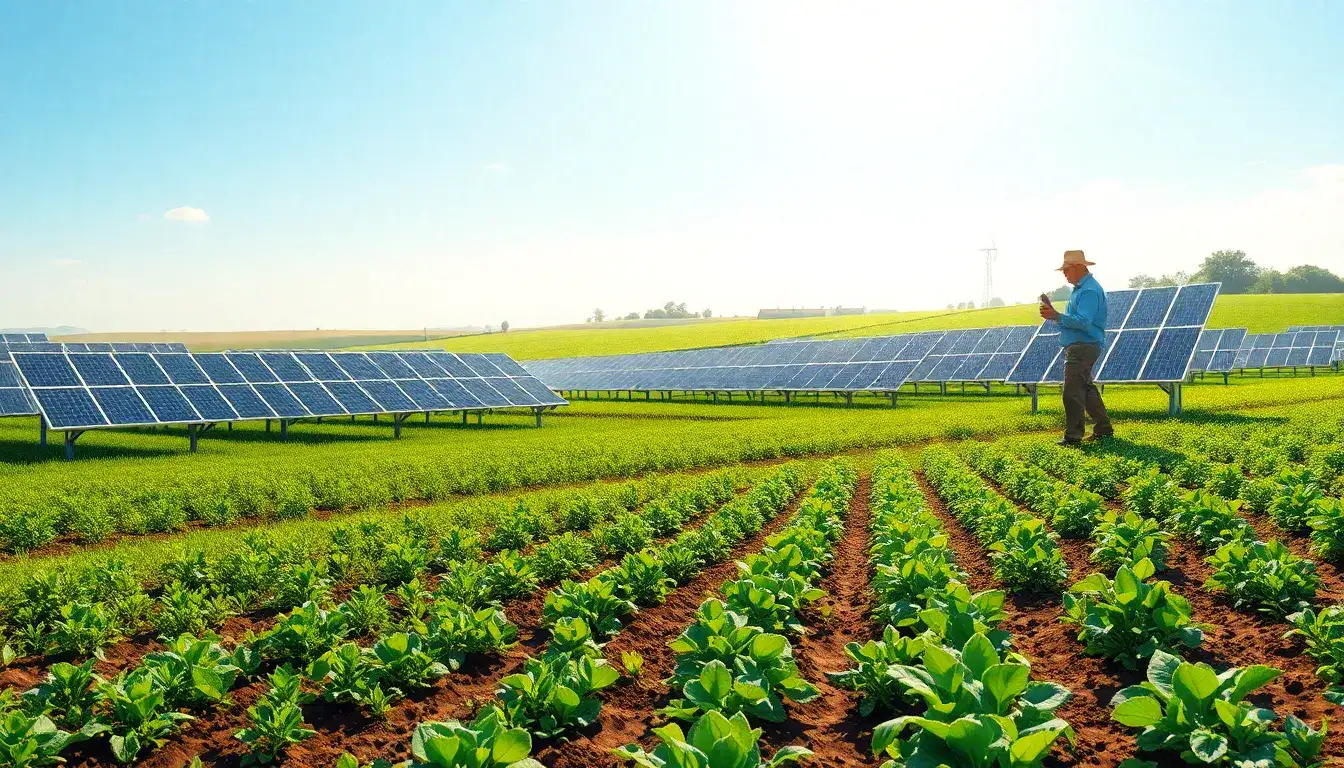
Key Strategies to Maintain Soil Quality During a Solar Lease
- Lease Duration and Soil Rest
Solar leases typically last 20 to 30 years, offering an opportunity for the soil to rest from active crop production. This resting period allows the soil to rebuild organic matter and improve fertility, much like crop rotation practices. After the lease, the land can often be returned to farming with improved productivity. - Incorporate Agrivoltaics
Integrating solar panels with agricultural practices (agrivoltaics) enables dual use of the land, where crops or livestock coexist with solar infrastructure. The partial shade from panels helps retain soil moisture, reduces water needs, and protects plants from extreme weather, benefiting overall soil and crop health. - Soil Health Monitoring and Management
Continuous assessment of soil conditions before, during, and after the solar lease helps detect any changes in soil quality. Maintaining native vegetation or cover crops under and around solar panels can reduce erosion and promote soil microbial life, enhancing nutrient cycling. - Erosion Control Measures
Proper planning and ground cover management prevent soil erosion, which can be a concern with large-scale solar installations. Techniques include planting grasses or legumes, controlling runoff, and avoiding soil compaction during construction and maintenance activities. - Site Preparation and Planning
Before lease signing, evaluate land suitability to minimize environmental impact. Favor flat, unobstructed land with good drainage to reduce soil disturbance. Ensuring proximity to grid infrastructure reduces the need for extensive additional land clearing or grading. - Utilizing Sheep or Livestock Grazing
Introducing managed grazing, such as sheep grazing on solar farm acreage, can help control vegetation naturally without harmful chemicals, supporting soil health through natural nutrient recycling.
Summary Table of Best Practices
| Practice | Benefits to Soil Quality |
|---|---|
| Soil resting during lease | Rebuilds organic matter, restores fertility |
| Agrivoltaics | Enhances moisture retention, reduces water use, protects plants |
| Vegetation management | Prevents erosion, promotes microbial health |
| Erosion control | Maintains soil stability and prevents nutrient loss |
| Site preparation | Minimizes soil disturbance and compaction |
| Managed grazing | Natural vegetation control, nutrient recycling |
By combining these approaches, landowners can protect and even improve their soil quality throughout the solar lease term and beyond, ensuring sustainable land use and potential for productive agriculture after the lease ends.
Original article by NenPower, If reposted, please credit the source: https://nenpower.com/blog/how-can-landowners-ensure-their-soil-quality-remains-intact-during-a-solar-lease/

