

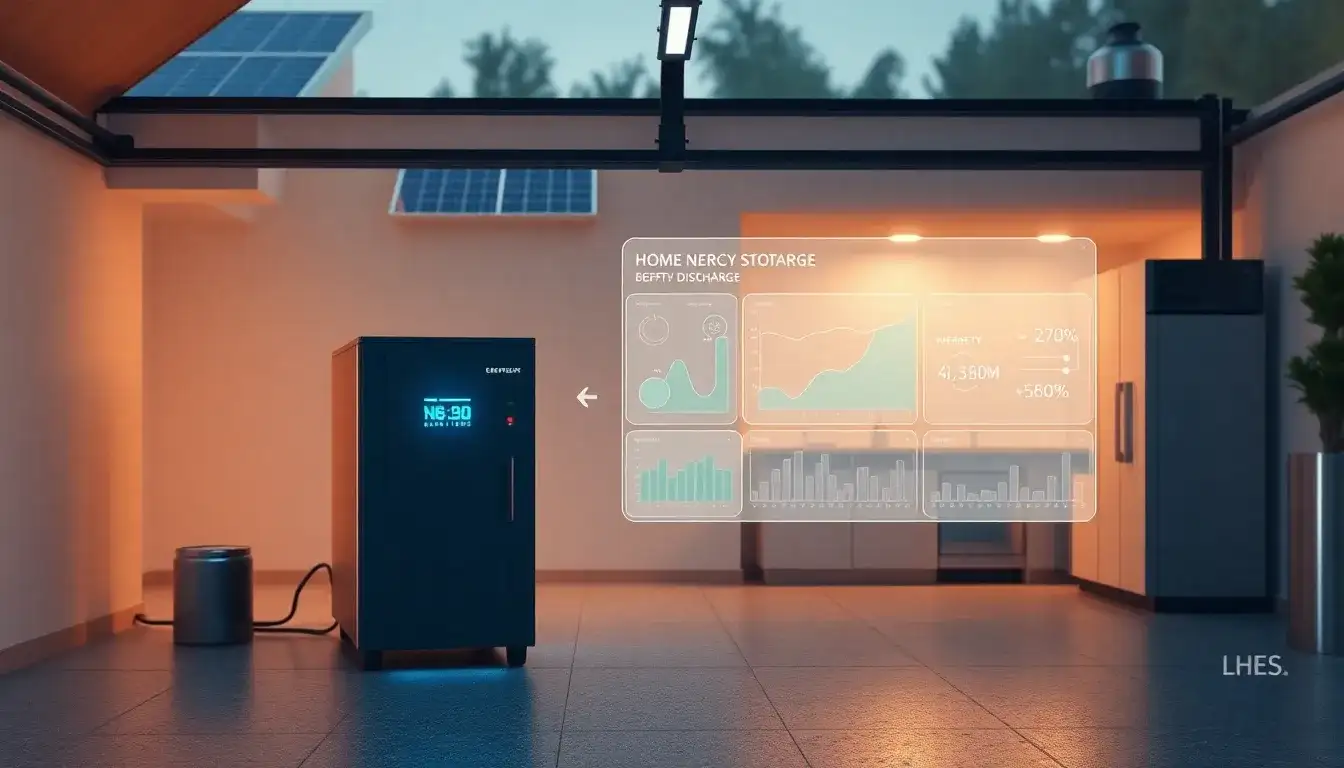
Optimizing the depth of discharge (DoD) for your residential energy storage batteries involves understanding how to manage the battery’s capacity to ensure maximum efficiency and longevity. Here are some guidelines to help optimize DoD:
Understanding Depth of Discharge
- Definition: Depth of discharge (DoD) is the percentage of a battery’s capacity that is discharged relative to its total capacity.
- Importance: Managing DoD is crucial for extending the lifespan and overall performance of your batteries.
Best Practices for Optimizing DoD
1. Choose the Right Battery Type
- Lithium-ion: These batteries can handle deeper discharges (up to 100% DoD) but ideally should be kept between 20% and 80% for optimal longevity.
- Lead-acid: Suitable for shallower discharges; maintain a DoD of 30-50% to prevent degradation.
2. Set a Safe Discharge Level
- Most modern home batteries list a maximum recommended DoD in their specifications. Ensure you don’t exceed this threshold to avoid damaging the battery.
- For example, a 10 kWh battery with a 100% DoD can theoretically discharge up to 10 kWh, but using only 8 kWh (80% DoD) can extend the battery’s life.
3. Monitor and Adjust as Needed
- Regular monitoring allows adjustments to prevent over-discharge. Automatic protection features can limit discharging beyond a certain point.
- Implement a management system that dynamically adjusts the depth of discharge based on energy availability and consumption patterns.
4. Consider Energy Usage Patterns
- Peak Shaving and Energy Arbitrage: Maximize stored energy usage during peak hours and charge during off-peak hours to optimize economic returns.
- Daily Management: Ensure your system is capable of recharging during daylight hours or when energy is cheaper, and use stored energy during night or when grid prices are high.
Tools and Technologies for DoD Optimization
- Battery Management Systems (BMS): Utilize BMS technology to monitor battery health and control the discharge level. Many BMS systems offer dynamic discharge limits based on energy availability.
- Smart Charging and Discharging Schedules: Use software to plan energy usage and optimize charging/discharging cycles based on daily energy needs and generation.
By implementing these strategies, you can optimize the depth of discharge for your residential energy storage batteries, ensuring they provide reliable and efficient performance over a longer lifespan.
Original article by NenPower, If reposted, please credit the source: https://nenpower.com/blog/how-can-i-optimize-the-depth-of-discharge-for-my-residential-energy-storage-batteries/

