

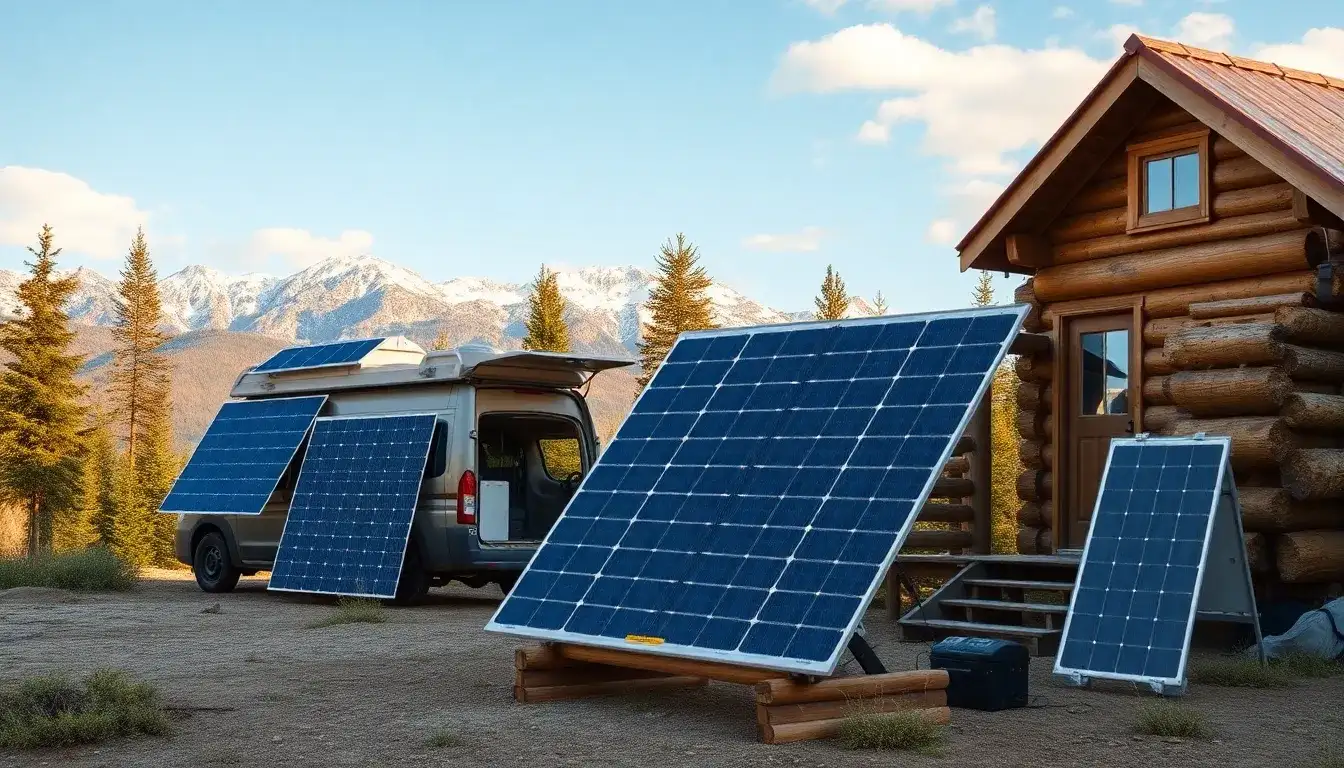
To ensure the durability and maximize the lifespan of flexible solar panels in off-grid applications, consider the following key strategies based on material quality, installation, environmental factors, and maintenance:
1. Use High-Quality Flexible Solar Panels
- Opt for panels made with superior thin-film materials such as amorphous silicon, CdTe, or CIGS, which degrade more slowly under environmental stresses.
- Panels with protective coatings like ETFE or PET provide enhanced resistance against UV radiation, moisture, and physical damage, prolonging lifespan.
- Newer generation flexible panels often incorporate advanced materials and improved encapsulation, yielding better durability and efficiency.
2. Proper and Professional Installation
- Ensure panels are installed by professionals to avoid undue mechanical stress such as excessive bending, twisting, or vibrations.
- Proper mounting prevents damage and extends panel life. Avoid installation in ways that cause sharp folds or creases.
- Use secure attachment methods suitable for the surface (adhesives, grommets, or specialized mounts) without compromising the panel integrity.
3. Shield Panels from Extreme Environmental Stress
- Whenever possible, locate panels where they will be partially shielded from extreme heat, reducing thermal degradation.
- Avoid prolonged exposure to harsh weather such as hailstorms, heavy snow, or high winds unless panels feature rugged, weather-resistant coatings.
- High UV exposure accelerates degradation—panels with UV protective layers or additional protective films will last longer.
4. Regular Monitoring and Maintenance
- Periodically clean panels using non-abrasive materials to prevent efficiency loss from dirt, dust, or debris buildup.
- Regularly inspect panels for signs of wear, damage, or delamination to address issues early.
- Use monitoring systems if available to track performance drops and intervene before permanent damage.
5. Consider Application-Specific Factors
- Flexible panels are ideal for curved or mobile surfaces like RV roofs, boats, or tents but remember their lifespan (typically 5-15 years, sometimes up to 25 years for high-quality panels) is shorter than rigid panels.
- Their lightweight and flexible nature makes them less heat-resistant; ensure adequate ventilation or cooling to avoid overheating and efficiency loss.
Summary Table of Best Practices
| Factor | Recommendation | Reason |
|---|---|---|
| Material Quality | Choose high-quality, protective-coated panels | Slower degradation, better durability |
| Installation | Professional, secure mounting without stress | Prevents mechanical damage |
| Environmental Exposure | Shield from extreme heat and harsh weather | Reduces thermal and physical degradation |
| Maintenance | Regular cleaning and inspections | Maintains efficiency and detects damage |
| Monitoring | Use performance tracking systems | Early issue detection |
By combining quality materials, expert installation, environmental protection, and ongoing maintenance, flexible solar panels can reliably serve off-grid applications with durability comparable to their intended lifespan, typically ranging from 5 to 15 years and potentially longer with optimal care.
Original article by NenPower, If reposted, please credit the source: https://nenpower.com/blog/how-can-i-ensure-the-durability-of-flexible-solar-panels-in-off-grid-applications/

