

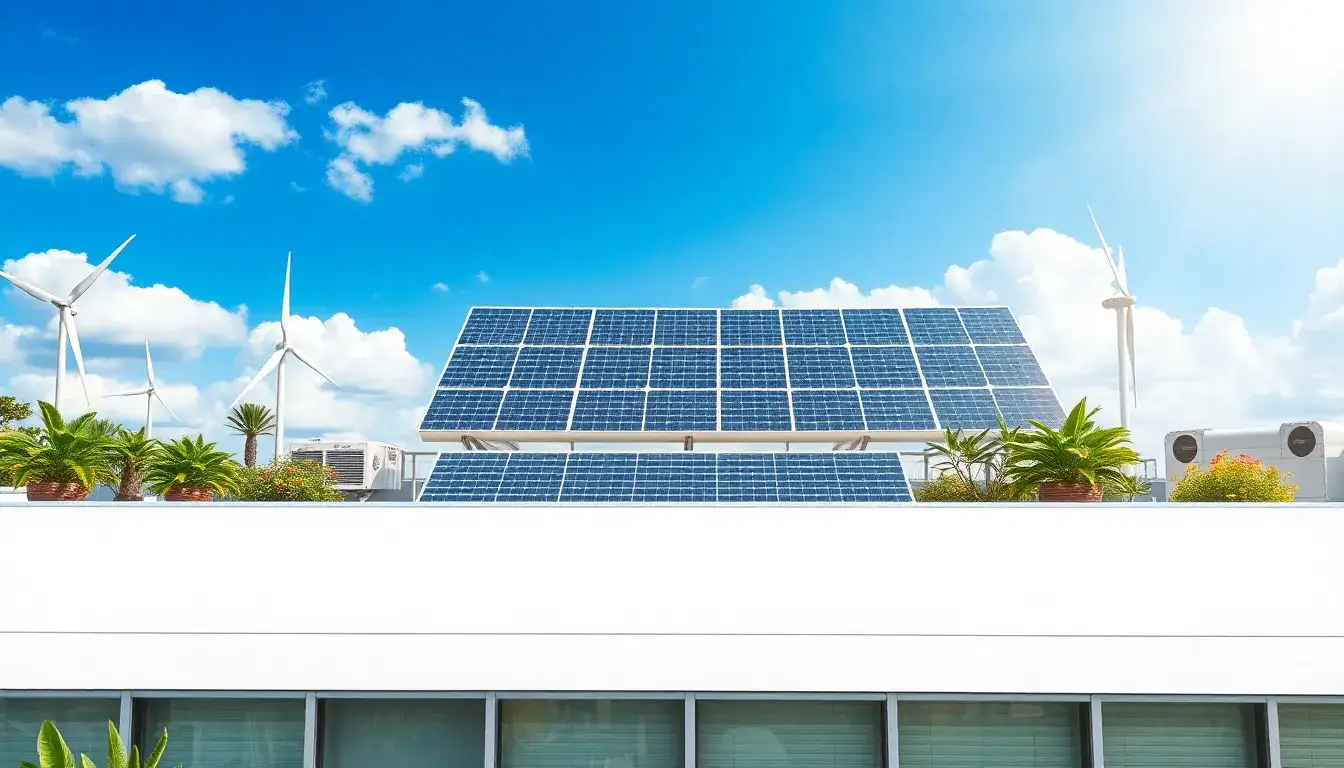
To ensure proper ventilation for flexible solar panels, it is essential to create an air gap beneath the panels that allows air to circulate and dissipate heat. Flexible solar panels tend to overheat when installed flush against surfaces because they often lack the framed structure that rigid panels have, which naturally promotes airflow. This trapped heat reduces panel efficiency and may accelerate material degradation.
Here are recommended methods and best practices for providing proper ventilation:
Creating an Air Gap Under Flexible Solar Panels
- Use an air gap mounting method: Elevate the flexible panels slightly off the mounting surface to allow airflow beneath them. This can be done by inserting thin strips or spacers between the panel and the roof or mounting surface. For example, using pre-cut twin-wall polycarbonate strips (as in vented gap kits) placed in between panel rows can create channels for air circulation while providing structural support and thermal expansion allowance.
- Install corrugated plastic sheets or similar spacers: Some users place lightweight corrugated plastic (like yard sign material) underneath to maintain a small gap for ventilation without adding significant weight.
- Avoid direct adhesion without ventilation: Taping or gluing flexible panels directly to the surface can trap heat and moisture, harming panel efficiency and longevity. If adhesives are used (e.g., VHB tape or silicone), leave intentional gaps or use mounting methods that allow airflow, as some sealants may trap water otherwise.
Additional Ventilation Considerations
- Mount panels on light-colored or reflective surfaces: This reduces heat absorption by the mounting surface, helping keep panels cooler.
- Use specially designed backsheet materials: Some flexible panels employ honeycomb or heat-resistant backsheets to minimize heat transfer from the mounting surface to the panel.
- Maintain installation flexibility: Avoid excessive bending beyond manufacturer recommendations (often about 30 degrees) because bending stresses can damage panels and their protective layers, leading to hotspots and overheating risks.
- Regular inspection and cleaning: Dirt and debris can cause shading, leading to hotspot effects that damage flexible panels. Keeping the panel surface clean enhances both efficiency and lifespan.
Practical Installation Tips
- Install panels in shaded conditions and handle carefully to avoid damage.
- Use vented gap kits specifically designed for flexible panels for best airflow and thermal management.
- Consider combining flexible panels with rigid panels in installations to optimize space and power production while managing ventilation needs effectively.
By elevating flexible solar panels on supportive strips to maintain an air gap, using heat-resistant materials, and avoiding full-surface adhesion without ventilation, you will significantly improve airflow beneath the panels, reduce operating temperatures, and increase both efficiency and lifespan of your flexible solar panel system.
Original article by NenPower, If reposted, please credit the source: https://nenpower.com/blog/how-can-i-ensure-proper-ventilation-for-flexible-solar-panels/

