

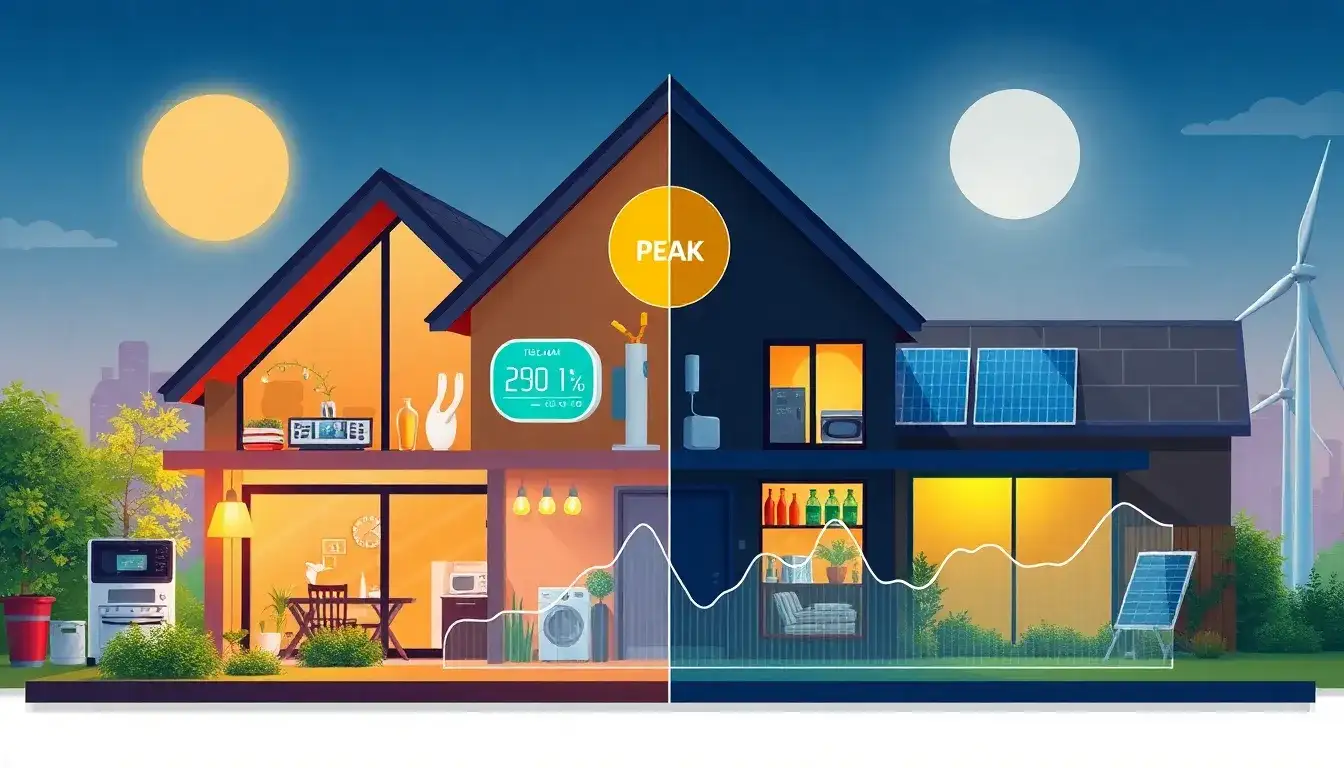
Understanding Peak and Off-Peak Hours
- Peak Hours: These are periods when electricity demand is at its highest. Common peak hours are during late afternoons and early evenings (e.g., 4 PM to 9 PM) on weekdays. This is when most people are at home, using appliances and devices, which increases energy consumption.
- Off-Peak Hours: These times have lower electricity demand. Typically, they occur during late evenings (e.g., 9 PM to midnight), early mornings, and sometimes during the daytime (e.g., 10 AM to 4 PM) when fewer people are home using appliances.
- Super Off-Peak Hours: These are periods of the lowest demand, often occurring late at night to early morning (e.g., midnight to 6 AM).
How to Determine Your Specific Peak Usage Times
- Check with Your Utility Provider: Utility companies usually have specific on-peak and off-peak periods based on their historical data and regional demand patterns. You can visit their website or contact them directly to find out when your specific peak hours are.
- Monitor Your Energy Usage: Use smart meters or energy monitoring devices to track when you’re consuming the most electricity. This can help you identify personal peak usage times that might not align exactly with general peak hours.
- Adjust Your Energy Use: After identifying peak and off-peak hours, try to shift your energy-intensive activities (like laundry or running the dishwasher) to off-peak times to save money if you’re on a time-of-use plan.
By understanding and adjusting to these peak and off-peak periods, you can manage your energy usage more effectively and potentially reduce your bills.
Original article by NenPower, If reposted, please credit the source: https://nenpower.com/blog/how-can-i-determine-the-peak-usage-times-for-my-energy-needs/

