

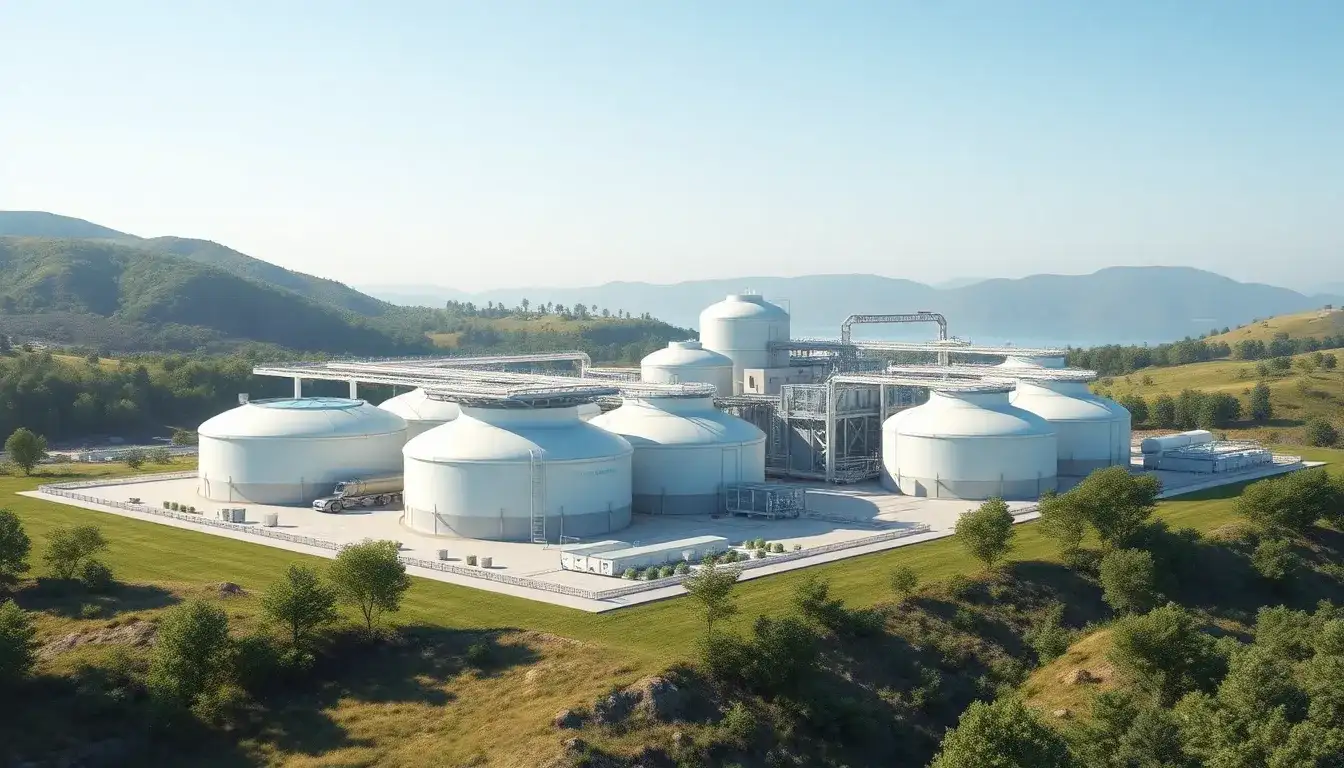
Designing hydrogen storage facilities to minimize risks involves a comprehensive approach addressing the unique properties and hazards of hydrogen, as well as operational and environmental considerations. Key strategies include:
Understanding Hydrogen Properties and Leak Prevention
- Hydrogen’s small molecular size enables it to leak through tiny gaps; its wide flammability range and ease of ignition require careful system design to prevent leaks and fires.
- Use materials resistant to hydrogen embrittlement to prevent structural failures and cracking, especially in metal containment systems.
- Strictly control operating conditions such as pressure and temperature within design limits to reduce leak and failure risks.
Facility Layout and Construction
- Select proper storage types (compressed gas, liquefied, or underground) and site locations that minimize risks and facilitate safe venting of hydrogen to the atmosphere.
- Design the facility with good natural or mechanical ventilation to dilute hydrogen-air mixtures and reduce flammable cloud build-up.
- Locate hydrogen inventories away from people and ignition sources to isolate potential hazards and protect personnel.
Leak and Flame Detection Systems
- Implement specialized hydrogen leak detection technologies, as hydrogen is colorless and odorless.
- Install flame detectors tailored for hydrogen fires to enable rapid response and shutdowns.
- Integrate interlock and control systems that link hydrogen detectors with facility safety controls for automatic hazard mitigation.
Electrical and Equipment Safety
- Use intrinsically safe and explosion-proof electrical equipment designed for hydrogen environments to eliminate ignition sources.
- Require workers to use only approved tools and devices to prevent sparks or static discharge that could ignite hydrogen.
Operational Controls and Maintenance
- Conduct rigorous pressure and leak testing at commissioning and regularly during operation to detect and address any degradation or failures.
- Implement preventive maintenance programs focused on hoses, seals, pressure vessels, and fittings to maintain tightness and integrity.
- Ensure quality workmanship and adherence to relevant safety standards during construction and operation.
Environmental and Site-Specific Risk Management
- Consider natural hazards such as high winds, floods, or earthquakes in site selection and design to protect the facility from external damage.
- Design venting systems to safely direct hydrogen purged from equipment away from people and structures.
By integrating these design, operational, and maintenance practices, hydrogen storage facilities can effectively reduce the risk of leaks, explosions, fires, and structural failures while ensuring personnel safety and environmental protection.
Original article by NenPower, If reposted, please credit the source: https://nenpower.com/blog/how-can-hydrogen-storage-facilities-be-designed-to-minimize-risks/

