

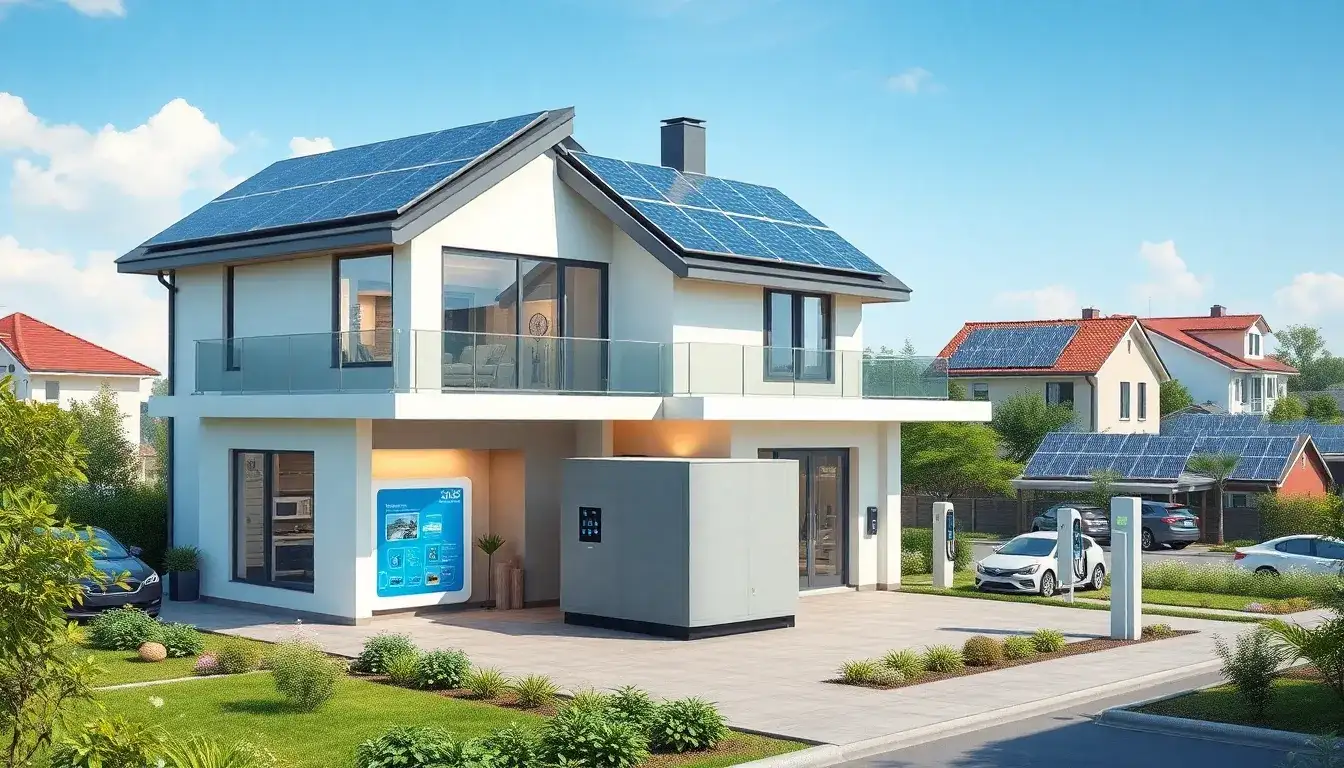
Maximizing Efficiency of Residential Energy Storage Systems
Homeowners can maximize the efficiency of their residential energy storage systems by employing several key strategies. These strategies focus on optimizing energy storage, consumption, and management.
1. Load Shifting and Peak Shaving
- Load Shifting: Store energy during off-peak hours when electricity rates are lower and use it during peak hours to avoid higher rates.
- Peak Shaving: Reduce electrical demand from the grid during peak hours by using stored energy, thus avoiding costly demand charges.
2. Time-of-Use (TOU) Optimization
Use energy storage systems to charge batteries during off-peak hours and discharge during peak hours when utility rates are higher.
3. Strategic Energy Consumption
- Schedule High-Usage Activities: Conduct high-energy tasks like laundry and dishwashing during peak sun hours or when the battery is fully charged.
- Pre-heating Homes: Use solar energy to preheat homes before peak demand periods.
4. Monitoring and Management
Utilize monitoring systems to track energy production and consumption, allowing for better management of household energy usage.
5. Backup Power
Ensure continuous power supply during outages by having stored energy ready to support essential appliances.
6. Regular Maintenance
Keep solar panels clean and ensure all components of the energy storage system are functioning optimally to maximize efficiency.
7. Solar + Battery Integration
Combine solar panels with a battery storage system to store excess solar energy and reduce reliance on grid electricity.
By implementing these strategies, homeowners can optimize the performance of their residential energy storage systems, enhancing energy efficiency, independence, and cost savings.
Original article by NenPower, If reposted, please credit the source: https://nenpower.com/blog/how-can-homeowners-maximize-the-efficiency-of-their-residential-energy-storage-systems/

