

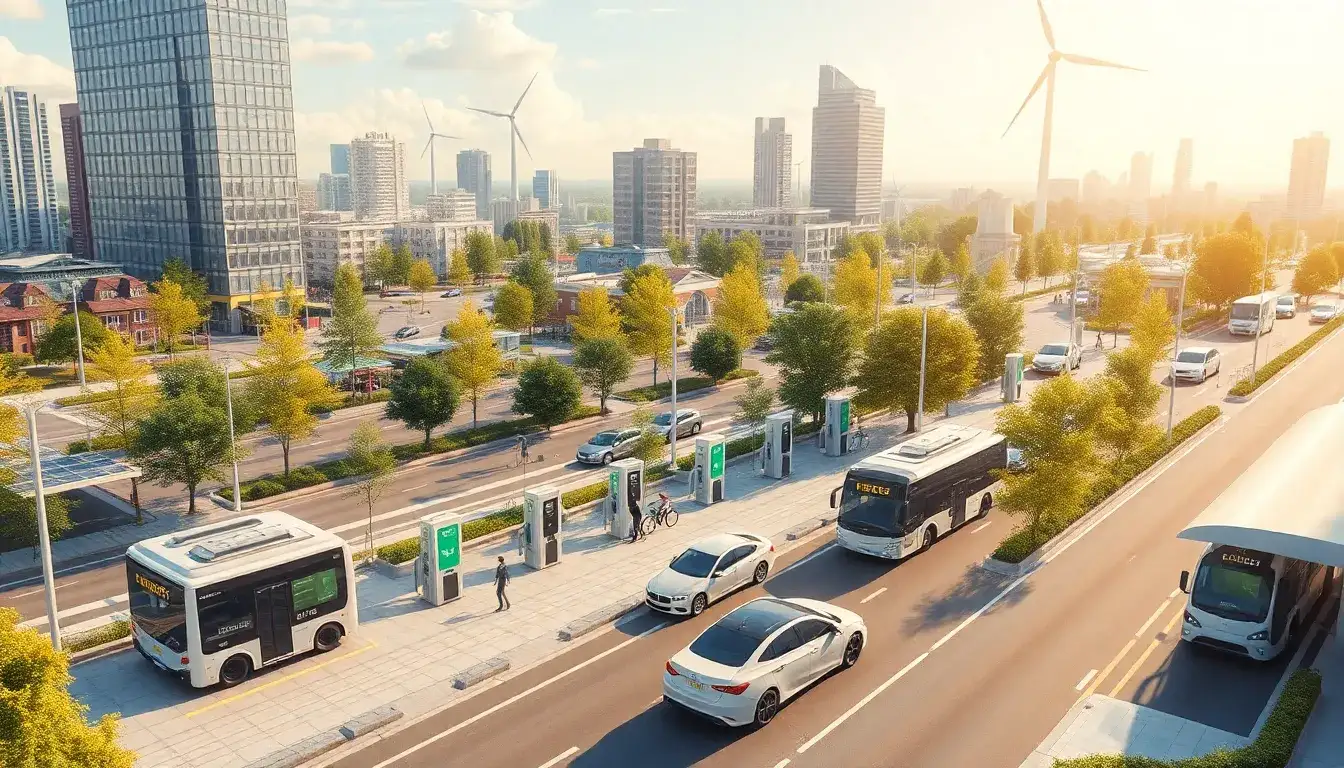
1. Integrated Urban Planning
- Urban Integration: EV charging stations should be strategically integrated into urban planning. This includes incorporating charging points in parking lots, residential areas, and commercial spaces, helping to reshape cityscapes and support sustainable development.
- Accessible Locations: Charging stations should be located in areas that are easily accessible to the public, such as service stations along highways, shopping centers, and residential parking areas.
2. Assessing and Meeting Charging Needs
- Fleet Charging Assessment: For commercial fleets, assessing the charging needs based on the size of the fleet, usage patterns, and charging frequency is crucial to ensure that infrastructure can support operations effectively.
- Public Charging Infrastructure: Public charging infrastructure must be designed to meet the needs of diverse users, including fast charging stations to support long-distance travel.
3. Innovative Technologies and Solutions
- Smart Charging Solutions: Integrating smart technologies can enable real-time monitoring, remote management, and dynamic pricing. These solutions optimize charging times, reduce costs, and improve energy efficiency.
- Ultra-Fast Charging: Developing ultra-fast charging stations (up to 350 kW) reduces charging times significantly, enhancing convenience for EV owners and supporting efficient transportation systems.
4. Diverse Payment Options
- Flexible Payment Structures: Charging infrastructure should support a variety of payment methods, including credit cards, mobile apps, RFID cards, and subscription plans. These options should be simple and straightforward to use, reducing user confusion.
5. Sustainability and Environmental Goals
- Climate Change Mitigation: EV charging infrastructure plays a critical role in reducing greenhouse gas emissions by facilitating the transition from internal combustion engine vehicles to electric vehicles, contributing to climate change mitigation efforts.
By incorporating these strategies, EV charging infrastructure can be designed to effectively support future transportation goals, ensuring a reliable, efficient, and sustainable transportation system.
Original article by NenPower, If reposted, please credit the source: https://nenpower.com/blog/how-can-ev-charging-infrastructure-be-designed-to-support-future-transportation-strategies/

