

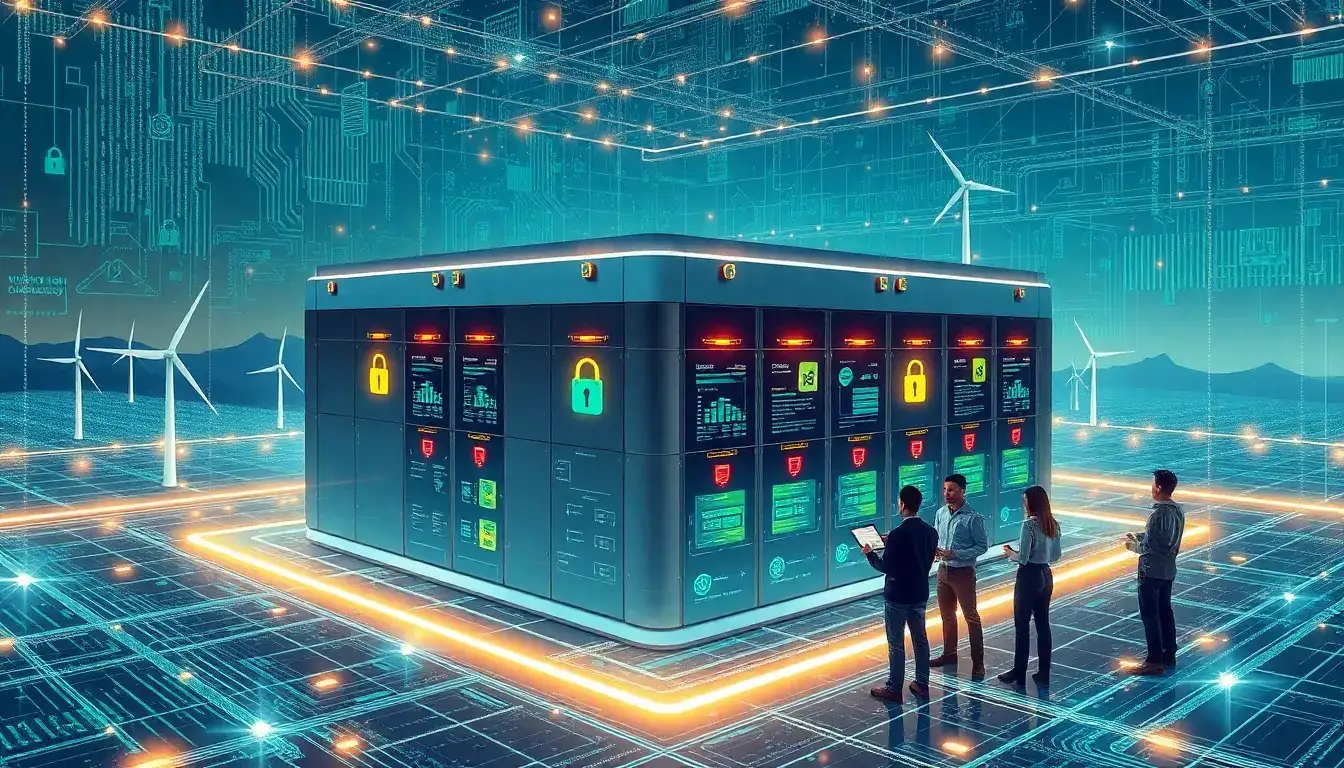
Designing energy storage systems with cybersecurity in mind from the outset involves several key steps and strategies. This approach helps mitigate risks associated with digitalization and connectivity, which are increasingly integral to modern energy infrastructure. Here’s how you can integrate cybersecurity into the design of energy storage systems:
Core Strategies for Cybersecurity Integration
-
Secure Network Architectures:
- Implement secure network architectures that include segmentation, isolation, and access controls. This helps prevent unauthorized access and limits the attack surface.
- Use secure protocols for data transmission and communication between components.
-
Secure Component Design:
- Develop and manufacture key hardware and software components in-house to eliminate third-party vulnerabilities.
- Ensure firmware and software are designed with security patches and updates in mind.
-
Data Protection:
- Store critical system data in secure locations, such as within the EU for compliance with stringent data protection regulations.
- Use encryption for data transmission and storage to prevent breaches.
-
Monitoring and Maintenance:
- Implement continuous monitoring systems to detect potential threats early.
- Establish clear service level agreements (SLAs) for patching, updates, and incident response.
-
Threat Modeling and Risk Assessment:
- Conduct thorough threat modeling to identify potential attack vectors and vulnerabilities.
- Perform risk assessments to prioritize defensive measures based on the likelihood and impact of potential attacks.
-
Compliance with Standards:
- Adhere to established cybersecurity standards and regulations, such as NERC CIP for grid-connected assets.
- Ensure compliance with international standards to maintain a robust security posture.
Implementing Cybersecurity Measures
-
Access Controls:
- Implement strict access controls for all interfaces, including maintenance ports.
- Use secure remote access protocols to prevent unauthorized access.
-
Detection and Response:
- Implement systems capable of detecting malicious activities and responding quickly to mitigate damage.
- Conduct regular penetration testing and vulnerability assessments.
-
Supply Chain Security:
- Diversify the supply chain to reduce dependency on any single supplier.
- Conduct regular audits and assessments of suppliers to ensure security standards are met.
-
Operational Security:
- Ensure operational procedures include cybersecurity training for personnel.
- Implement incident response plans and conduct regular drills.
By incorporating these strategies, energy storage systems can be designed with robust cybersecurity measures from the outset, enhancing grid resilience and protecting against increasingly sophisticated threats.
Original article by NenPower, If reposted, please credit the source: https://nenpower.com/blog/how-can-energy-storage-systems-be-designed-with-cybersecurity-in-mind-from-the-outset/

