

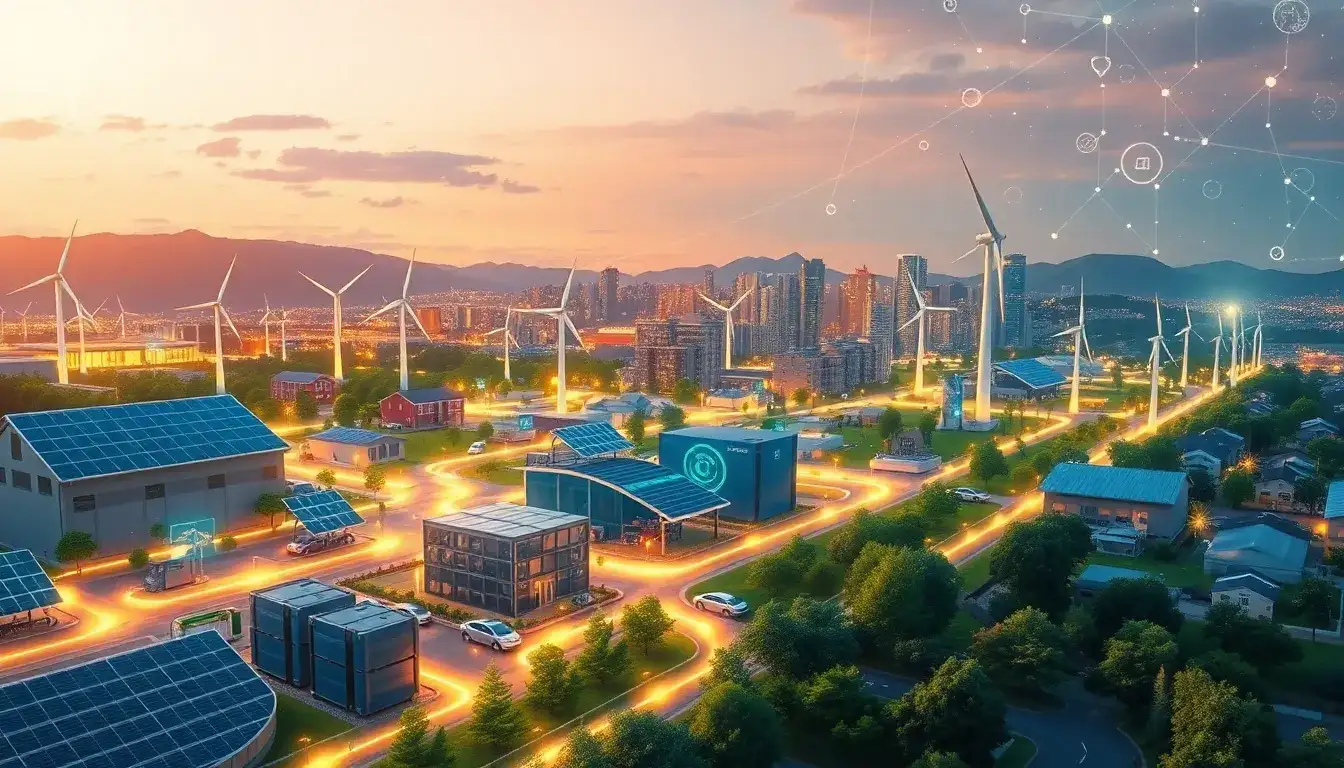
Energy storage solutions are crucial for meeting peak demand in renewable energy systems, which often face challenges due to the intermittent and variable nature of sources like solar and wind. Here’s how energy storage helps address peak demand for renewables:
Matching Supply with Demand
Renewable energy generation doesn’t always align with when electricity demand peaks. For example, solar power peaks during the day, but demand may peak in the evening. Energy storage systems (such as lithium-ion batteries) store excess renewable energy produced during low-demand periods and release it during peak demand hours. This shift enables renewable-powered grids to meet demand reliably when renewable generation alone is insufficient.
Reducing Peak Demand and Grid Strain
By discharging stored energy during peak hours, energy storage reduces the need to draw expensive and often polluting peak power from the grid. This “peak shaving” smooths out demand spikes, minimizes grid stress, and can prevent blackouts or instability.
Cost Savings and Efficiency Optimization
Energy storage allows consumers and utilities to optimize energy usage by charging during low-cost off-peak times and discharging during high-cost peak times. This reduces demand charges for commercial and industrial users with high consumption rates during peak intervals, resulting in significant cost savings.
Enhancing Grid Stability and Renewable Integration
Grid-level energy storage improves overall grid stability by balancing fluctuations in renewable output and load. It enables higher penetration of renewables by making their output dispatchable, thus reducing reliance on fossil fuel backup plants during peak demand.
Diverse Storage Technologies
Various energy storage technologies support peak demand management:
- Battery Storage (commonly lithium-ion) for fast, flexible response.
- Pumped Storage Hydropower provides large-scale, renewable energy storage by moving water between reservoirs at different elevations, releasing power during peak demand.
- Emerging technologies like solid-state batteries promise further improvements in efficiency and cost.
In summary, energy storage solutions empower renewable energy systems to meet peak electricity demand by storing surplus renewable power during low-demand periods and deploying it during peak hours. This supports grid reliability, reduces energy costs, and facilitates deeper integration of renewable resources into the power grid. These benefits make energy storage a pivotal technology in advancing clean, resilient energy systems.
Original article by NenPower, If reposted, please credit the source: https://nenpower.com/blog/how-can-energy-storage-solutions-help-meet-peak-demand-for-renewables/

