

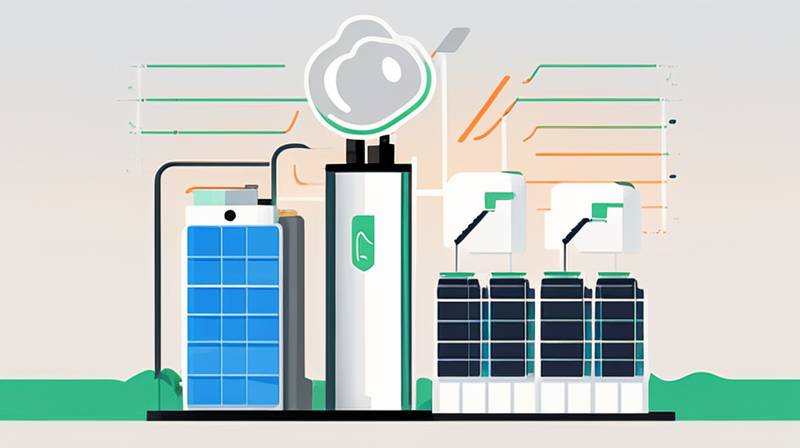
Energy storage has the potential to significantly enhance Angola’s energy efficiency through the following key avenues: 1. Enhancing grid reliability, 2. Reducing energy waste, 3. Facilitating renewable energy integration, 4. Lowering energy costs. Among these, the ability to integrate renewable sources presents a substantial opportunity for Angola to transition towards a more sustainable energy model. By employing advanced storage technologies, the nation can store excess energy generated during peak production times and dispatch it during high-demand periods, thus optimizing resource utilization and ensuring a reliable power supply.
1. UNDERSTANDING ANGOLA’S ENERGY LANDSCAPE
Angola’s energy framework is characterized by its heavy reliance on fossil fuels, primarily oil and natural gas. The reliance on such finite resources poses significant challenges, particularly in terms of sustainability and environmental impact. The country’s energy requirements are on the rise due to rapid urbanization and industrialization, demanding an urgent reevaluation of energy strategies. Additionally, a significant portion of the population lacks consistent access to electricity, highlighting the need for innovative solutions to bridge the gap between energy supply and demand.
The nation has substantial potential for harnessing renewable energy resources, such as solar and hydropower. However, the inconsistency of these energy sources presents challenges to their integration into the current energy grid. Energy storage systems can serve as a solution by providing a buffer against the intermittency associated with renewable sources, ensuring that energy can be efficiently captured and released according to demand.
2. THE ROLE OF ENERGY STORAGE IN GRID RELIABILITY
Reliability is a fundamental aspect of any energy system, directly impacting economic activities and quality of life. Energy storage installations—such as batteries and pumped hydro systems—can maintain grid stability by regulating voltage and frequency fluctuations. During periods of low energy generation, these systems can discharge stored energy to balance supply and demand. This capability is particularly relevant in Angola, where the electricity grid is often strained by demand surges or outages.
Furthermore, integrating energy storage technologies can help mitigate the impact of power disruptions caused by unexpected events or maintenance outages. By ensuring a stocked reservoir of energy, Angola can protect its citizens and businesses from the inefficiencies caused by unreliable power supplies. Such advancements significantly contribute to a more resilient energy infrastructure, reducing the socio-economic consequences of energy scarcity.
3. OPTIMIZING ENERGY CONSUMPTION AND MINIMIZING WASTE
Energy storage can greatly contribute to reducing waste within the energy system. Effectively managing demand peaks through storage technologies can prevent overgeneration, thereby minimizing energy waste. By storing surplus energy produced during off-peak times, Angola can efficiently shift energy usage patterns to align consumption with generation capacity.
Additionally, by incorporating sophisticated demand-response strategies with storage solutions, Angola can empower consumers to utilize energy more judiciously. The implementation of smart grids integrated with storage technologies can enable real-time monitoring and control of energy consumption, leading to optimized usage and reduced wastage. By embracing such measures, Angola could transform its overall energy landscape with a focus on sustainability and responsible consumption.
4. INTEGRATING RENEWABLE ENERGY SOURCES
The transition to renewable energy sources in Angola necessitates an effective strategy to mitigate their intermittency. Energy storage systems will play a crucial role in this integration, enabling the capture of excess generation from renewables such as solar and wind, and supplying energy when production falls short. This “time-shifting” ability is fundamental for maintaining supply stability and promoting a sustainable energy mix in Angola.
Moreover, investment in energy storage can stimulate the local economy by creating new job opportunities in technology development, installation, and maintenance sectors. This transition aligns with global trends towards green energy initiatives, positioning Angola as a forward-thinking player in the spatial energy conversation. Collaboration with international partners may also bolster technology transfer and capacity-building efforts, further enhancing Angola’s energy resilience.
5. LOWERING ENERGY COSTS
One of the most impactful aspects of energy storage is its potential to reduce costs associated with energy production and distribution. By optimizing the energy supply chain, storage solutions can lead to significant savings for both electricity providers and consumers. Through the strategic implementation of energy storage, Angola can minimize reliance on costly peak generators and enhance its capacity to utilize lower-cost energy.
Additionally, the savings realized from reduced energy waste and increased grid efficiency can be redirected toward infrastructure development and maintenance. In this manner, energy storage not only presents an opportunity for immediate financial benefits but also supports long-term economic growth and stability.
6. ENCOURAGING POLICY SUPPORT AND INVESTMENT
For Angola to fully realize the benefits of energy storage, it is imperative that government and regulatory bodies establish supportive frameworks and policies. Streamlining permitting processes, providing financial incentives, and promoting research and development are essential measures that can foster innovation in the energy storage sector. Engaging stakeholders, including local communities, investors, and technology developers, will create a collective vision towards achieving energy efficiency.
Furthermore, international cooperation can enhance Angola’s strategies, drawing insights from other countries that have successfully integrated energy storage solutions. Collaborative efforts can lead to effective policy development, funding opportunities, and knowledge exchange, ultimately contributing to Angola’s energy independence and resilience.
7. POTENTIAL CHALLENGES AND STRATEGIC SOLUTIONS
Despite the evident advantages of energy storage integration, several challenges could hinder its widespread adoption in Angola. High initial costs of advanced storage technologies could deter investment, requiring strategic financing solutions and incentives. Moreover, the lack of skilled labor specialized in storage technologies could pose obstacles, necessitating workforce development programs.
Additionally, public awareness around the benefits of energy storage is crucial for garnering support. Efforts must be made to educate consumers on the advantages of energy storage to promote acceptance and utilization. Thus, addressing these challenges proactively will pave the way for a more robust integration of energy storage in Angola’s energy landscape.
FREQUENTLY ASKED QUESTIONS
HOW DOES ENERGY STORAGE WORK?
Energy storage solutions, such as batteries and pumped hydroelectric systems, store energy during low-demand periods for use during high-demand times. This helps balance supply and demand, ensuring a stable energy supply. In batteries, energy is stored chemically, while pumped hydro systems use gravitational energy by moving water to higher elevations. Both methods effectively improve grid stability and enhance overall energy efficiency.
WHAT ARE THE MAIN TYPES OF ENERGY STORAGE?
The primary types of energy storage include batteries, pumped hydro storage, compressed air energy storage (CAES), and thermal energy storage. Batteries store electrical energy chemically and are ideal for short-term applications. Pumped hydro storage utilizes gravitational potential energy for longer durations, while CAES and thermal storage convert energy for various forms of release, broadening applications across different sectors.
HOW CAN ANGOLA FUND ENERGY STORAGE PROJECTS?
Funding for energy storage projects in Angola can arise from government grants, international partnerships, private investments, and public-private collaborations. Establishing clear policy frameworks and incentives is vital to attract investment. Additionally, international funding institutions may be approached for development financing. Utilizing local resources for innovations can also foster sustainable development while generating domestic employment opportunities.
In summary, integrating energy storage technologies in Angola presents a transformative opportunity for improving energy efficiency across various sectors. The adoption of such technologies is expected to enhance grid reliability, counteract energy wastage, facilitate the inclusion of renewable energy sources, and ultimately reduce energy costs. The importance of comprehensive policy support cannot be overstated as it will underpin the successful implementation of energy storage solutions throughout the nation. Sustainable energy practices will not only help Angola meet present energy demands but also align with global objectives concerning sustainability and climate change mitigation. By leveraging advancements in energy storage, Angola stands on the precipice of a paradigm shift, transitioning from reliance on fossil fuels to a diversified, resilient, and sustainable energy future. With collaborative efforts involving government, industry stakeholders, and the community, the country can harness its renewable resources while fortifying its energy infrastructure for the challenges ahead. Embracing modernization and innovation will pave the way for Angola to lead in energy transformation, creating benefits that resonate through its economy, environment, and society as a whole.
Original article by NenPower, If reposted, please credit the source: https://nenpower.com/blog/how-can-energy-storage-improve-angolas-overall-energy-efficiency/

