

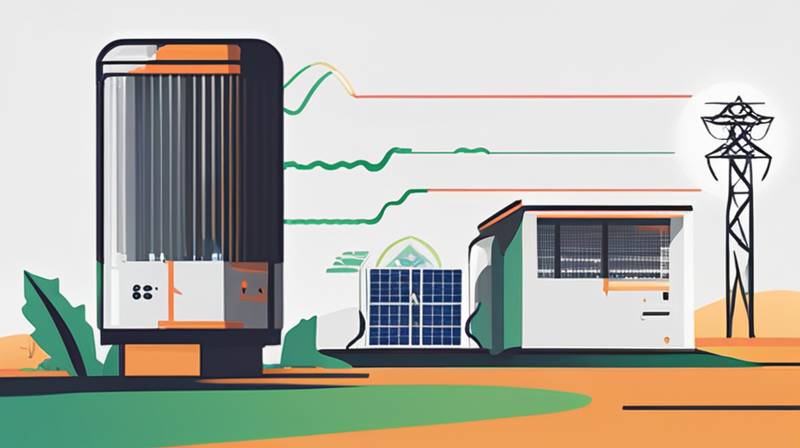
1. Introduction of Energy Storage’s Role in Alleviating Electricity Shortages in Congo’s Remote Regions
Energy storage plays a pivotal role in addressing the critical issue of electricity shortages afflicting remote regions in Congo. This technology has the potential to propel the nation towards sustainable energy solutions by enabling efficient use and distribution of power. 1. Energy storage provides a buffer, allows for peak shaving, and facilitates renewable energy integration, thus transforming how energy is accessed and consumed in these underserved areas.
Energy storage systems, such as batteries and pumped hydro storage, can store excess energy generated during peak production hours and release it during high-demand periods, ensuring a reliable energy supply. This capability is especially important in a nation where the electricity grid is often unreliable, leading to significant disruptions in daily life and economic activities. 2. By investing in energy storage infrastructure, Congo can enhance energy resiliency, stimulate economic development, and improve quality of life. Through strategic implementation, these systems can also mitigate the environmental challenges posed by traditional fossil fuels, promoting a cleaner, more sustainable future.
3. Economic empowerment stems from enhanced energy accessibility, creating opportunities for industrial growth and innovation, thereby generating a ripple effect that uplifts local communities. The proliferation of energy storage technology thus represents a crucial step towards solving the electricity crisis in Congo’s remote areas.
1. UNDERSTANDING ELECTRICITY SHORTAGES IN CONGO’S REMOTE REGIONS
Electricity shortages in the remote areas of Congo stem from a myriad of factors inherent to the country’s socio-economic landscape. Congo’s energy infrastructure is severely underdeveloped, leading to inadequate supply to meet the needs of its population. Many remote regions depend heavily on outdated and inefficient generation methods, such as diesel generators, which not only contribute to high operational costs but are also inconsistent. These ongoing insufficiencies create substantial barriers to development, limiting access to crucial services like education and healthcare.
The lack of a robust electricity grid significantly hampers economic activities in these regions. Congo is rich in natural resources, yet without dependable energy sources, the country’s economic potential remains largely untapped. Agricultural productivity, small-scale manufacturing, and even rudimentary services suffer as a direct result of erratic electricity supply. The prevailing situation not only threatens existing livelihoods but also deters investment opportunities that are vital for long-term growth.
2. THE POTENTIAL OF ENERGY STORAGE TECHNOLOGIES
Energy storage technologies reveal myriad possibilities for managing electricity flow more effectively in remote regions of Congo. Deploying energy storage systems enables the capture of excess power generated from renewable sources, such as solar and hydroelectric facilities, for later use. This shift towards renewables is critical given Congo’s abundant resources, particularly within solar and hydroelectric sectors, which have been underutilized due to grid inadequacies.
Increasing reliance on energy storage can lead to significant cost savings in electricity generation. For instance, the implementation of battery systems minimizes dependence on fossil fuels by storing energy when prices are low or when generation exceeds demand. This stored energy can then be utilized during peak usage periods, thereby reducing strain on existing infrastructure and contributing to overall efficiency improvements.
The adaptability of energy storage systems allows for localized energy solutions tailored to community needs. Decentralized storage can empower remote communities to harness their energy resources effectively, enhancing independence from unstable traditional grids. Such empowerment leads not only to energy autonomy but also fosters innovation and entrepreneurship, as local businesses gain access to reliable power sources.
3. SOLAR ENERGY STORAGE AS A VIABLE SOLUTION
Solar energy is increasingly recognized as a practical and sustainable solution for addressing electricity shortages, particularly in sunny regions of Congo. Pairing solar energy systems with energy storage solutions enables the capture of solar power generated during the peak sunlight hours for use at night or during cloudy days. This integration broadens the operational windows of solar systems and enhances reliability for users in remote locations.
The impact of solar energy storage on rural electrification cannot be overstated. By creating local solar farms in conjunction with energy storage systems, communities can achieve energy independence while reducing reliance on fossil fuels. Such systems can significantly decrease energy costs for end-users while increasing the stability of supply. Such a system fosters resilience, particularly in rural areas where energy demand may fluctuate greatly throughout the day.
Beyond energy supply, solar energy storage fosters job creation in regions where unemployment is high. Local technicians capable of installing and maintaining these systems can cultivate an entire ecosystem of solar energy enterprises, leading to economic revitalization and community development. This trajectory holds immense promise for transforming the energy landscape in Congo’s remote areas.
4. POLICY FRAMEWORK REQUIRED FOR IMPLEMENTATION
For energy storage solutions to flourish in Congo, a conducive policy framework is critical. Effective government policies and incentives are needed to stimulate investment in energy storage technologies. This framework should focus on reducing regulatory barriers, encouraging private investment, and enhancing community engagement in energy initiatives.
Incentivizing renewable energy adoption through tax breaks or subsidies for storage installations can drive market participation significantly. Streamlined regulations that simplify the approval processes for renewable energy projects will catalyze faster deployments of energy storage solutions. Creating partnerships between governmental entities and international organizations dedicated to promoting sustainable energy can infuse vital resources and expertise into the sector.
Moreover, community ownership models should be promoted, allowing local residents to invest in and gain dividends from energy storage projects. Empowering local stakeholders fosters a sense of ownership and investment into the energy resources available in their regions, leading to sustainable management and maintenance of these technologies. Continued education and awareness-raising campaigns are key to cultivating a knowledgeable public that advocates for energy transition.
5. ECONOMIC AND SOCIAL IMPACT OF ENERGY STORAGE
The economic and social ramifications of deploying energy storage systems in Congo’s remote regions are profound. Increased energy availability fosters greater productivity in local economies, stimulating job creation and entrepreneurship. Education and healthcare services particularly benefit from reliable electricity, as schools can extend hours and healthcare facilities can operate essential medical equipment without interruptions.
Energy access also elevates the quality of life in underserved areas. With electricity comes the promise of not only lighting homes but also integrating modern conveniences and technologies that improve daily life. From enhancing communication to providing cleaner cooking options, energy fosters an environment conducive to innovation and progress.
Moreover, energy storage can play a critical role in bridging the urban-rural economic divide. By facilitating energy access in remote regions, communities can participate actively in national economies, leading to balanced economic development across diverse geographies. This equitable growth paves the way for long-term stability and sustainable progress.
FREQUENTLY ASKED QUESTIONS
WHAT TYPES OF ENERGY STORAGE TECHNOLOGIES ARE AVAILABLE FOR CONGO’S REMOTE REGIONS?
A variety of energy storage technologies can serve Congo’s remote regions effectively. Batteries, particularly lithium-ion and flow batteries, are among the most popular choices due to their durability and efficiency. These battery systems are capable of storing energy produced through renewable sources like solar or hydroelectric power and can discharge it during peak demand hours when the grid is under strain.
In addition to batteries, pumped hydro storage systems represent another viable option, especially in areas with suitable water resources. These systems can store energy by elevating water to a higher elevation during low-demand periods and releasing it to generate electricity during peak demand. Other innovative solutions like compressed air energy storage and flywheel technologies may also be explored depending on local requirements. The choice of technology ultimately depends on several factors, including cost, availability of resources, and specific community needs.
HOW CAN COMMUNITIES IN REMOTE REGIONS PARTICIPATE IN THE ENERGY STORAGE INITIATIVE?
Community participation is paramount in the successful implementation of energy storage initiatives in remote regions of Congo. Local engagement should commence by involving community members in the planning process, thus ensuring the solutions developed meet their needs. Participatory approaches enable stakeholders to voice their concerns, identify potential challenges, and contribute to the design and execution of projects that are culturally relevant and economically viable.
Furthermore, providing training and capacity-building programs is crucial for empowering local individuals to manage and maintain energy storage systems, promoting sustainability. Training local technicians to operate and troubleshoot systems ensures resilience and longevity. Communities can also be encouraged to establish cooperatives to collectively invest in energy storage solutions, thereby equitably sharing the financial burden and benefits. By fostering a sense of ownership, communities enhance their commitment and engagement in energy initiatives.
WHAT ARE THE LONG-TERM BENEFITS OF ENERGY STORAGE IN REMOTE REGIONS?
In the long-term, energy storage solutions yield significant benefits for remote regions in Congo. From an economic standpoint, increased access to reliable electricity can stimulate local businesses, leading to job creation and enhanced living standards. This economic growth enables greater investment in infrastructure, education, and healthcare, resulting in holistic community development.
Moreover, the long-term environmental advantages of integrating renewable energy with storage systems cannot be overlooked. By relying less on fossil fuels and harnessing local renewable resources, communities contribute to mitigating climate change and promoting sustainability. Additionally, as more regions embrace energy storage, they set a precedent for sustainable energy practices nationally.
The cultural implications include transformed lifestyles and enhanced opportunities for education and health, ultimately leading to increased community resilience. The ripple effects of reliable energy will echo through generations, paving the way for a more prosperous and stable future.
The integration of energy storage systems in addressing electricity shortages in Congo’s remote regions signifies a transformative opportunity. Tackling the existing energy crisis through innovative technologies has the potential to shift the paradigm of energy accessibility and economic sustainability. The cascading benefits of such initiatives will manifest in enhanced quality of life, economic progression, and the promotion of sustainable practices that safeguard the environment. As the nation navigates its path toward energy independence, the role of energy storage escalates from mere technological advancement to a vital cornerstone of economic revitalization and social equity.
Harnessing the untapped potential of renewable sources coupled with efficient energy storage can eradicate the malaise of power insufficiencies that have long plagued these regions. Communities empowered through equitable access to energy will stimulate holistic growth, ensuring that development is both inclusive and sustainable. As stakeholders collaborate in planning and implementing energy initiatives, they catalyze a brighter future for the region, emphasizing self-sufficiency and resilience.
Ultimately, the steps taken today to invest in energy storage and renewable resources will serve as the foundation for a sustainable and prosperous tomorrow, where electricity shortages become a relic of the past, replaced by reliable power access for all. Congo stands on the cusp of a significant energy transformation, and energy storage embodies the key to unlocking its fullest potential. As the world observes this evolution, the narrative will shift towards a country that not only faces its energy challenges but also emerges as a beacon of innovation and sustainability in the realm of energy solutions.
Original article by NenPower, If reposted, please credit the source: https://nenpower.com/blog/how-can-energy-storage-help-alleviate-electricity-shortages-in-congos-remote-regions/

