

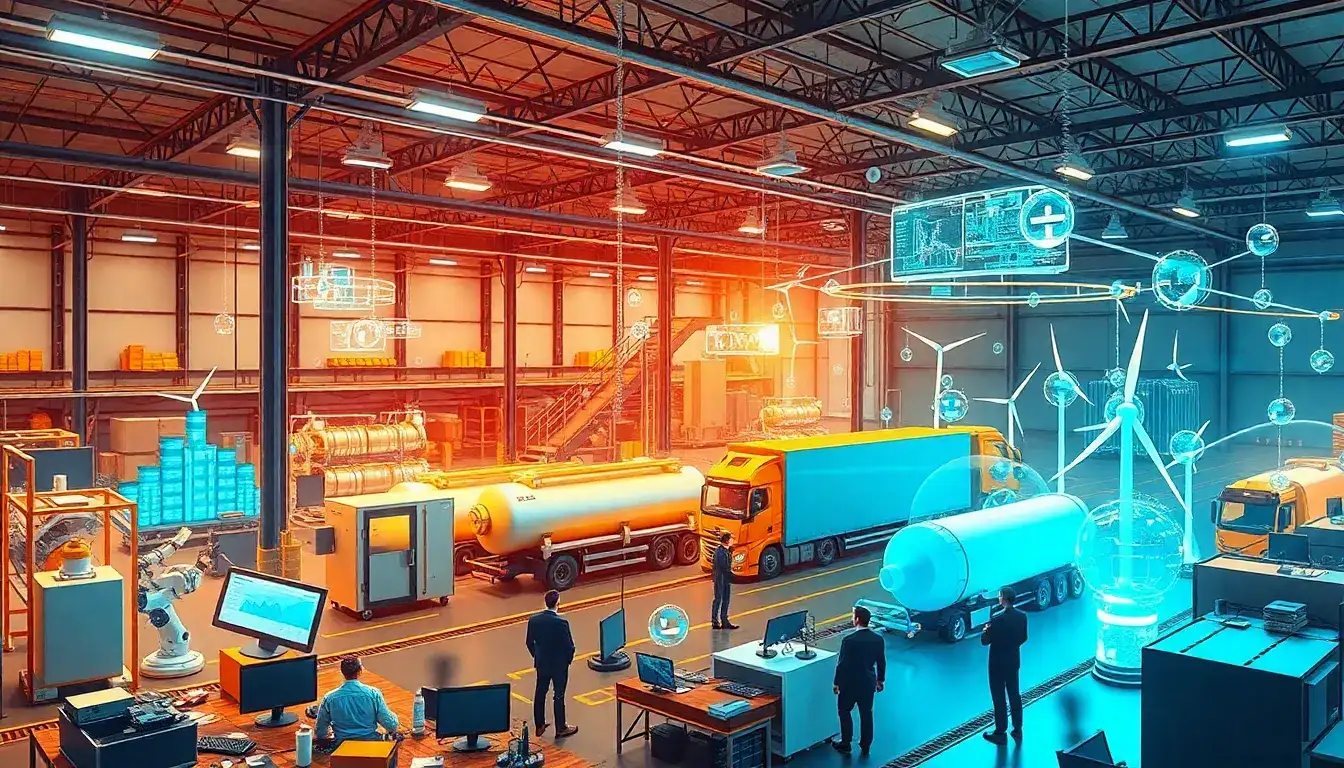
To mitigate supply chain issues for Liquid Air Energy Storage (LAES) systems, developers can apply strategies similar to those used for Battery Energy Storage Systems (BESS), with some adaptations specific to LAES technologies. Here are some key strategies:
Strategies for Mitigating Supply Chain Risks in LAES Systems
1. Diversification of Supply Chains
- Multi-Source Strategy: Ensure that components and materials are sourced from multiple suppliers across different regions. This reduces dependence on any single supplier, allowing for quicker adaptation if one supplier encounters issues.
- Substitute Materials: Explore substitute raw materials that can be used in LAES systems, minimizing reliance on specific materials.
2. Robust Contract Management
- Contract Review and Negotiation: Conduct thorough reviews and negotiations of contracts to clarify responsibilities, delivery timelines, and contingency plans. This helps mitigate risks associated with supplier defaults or delays.
- Performance Guarantees: Include provisions for performance guarantees to ensure that suppliers meet their obligations.
3. Relationship Building and Supply Chain Transparency
- Strengthen Supplier Relationships: Foster strong relationships with suppliers to improve communication and trust. This can lead to better cooperation during emergencies.
- Supply Chain Transparency: Implement traceability measures to track components and materials throughout the supply chain. This helps identify and mitigate potential risks, such as ESG (Environmental, Social, and Governance) issues.
4. Inventory and Operations Management
- Inventory Management Systems: Implement sophisticated inventory management systems to monitor stock levels and ensure an adequate supply of critical components.
- Employee Incentives: Incentivize operations and maintenance employees to maintain efficiency and adapt to supply chain disruptions quickly.
5. Overbuild and Design Flexibility
- Overbuild Strategy: Design LAES systems with surplus capacity to meet contractual obligations even if some components are delayed or unavailable.
- Design Flexibility: Incorporate flexibility in the system design to allow for the integration of different components or technologies if needed.
6. ESG Considerations and Traceability
- ESG Risks Assessment: Conduct thorough assessments of environmental, social, and governance risks within the supply chain. This helps in addressing potential challenges early on.
- Traceability Roadmap: Develop a step-by-step plan for ensuring traceability of materials throughout the supply chain, enhancing accountability and reducing risks.
By applying these strategies, developers can significantly mitigate supply chain risks for LAES systems, ensuring more reliable and efficient operations.
Original article by NenPower, If reposted, please credit the source: https://nenpower.com/blog/how-can-energy-storage-developers-mitigate-supply-chain-issues-for-laes-systems/

