

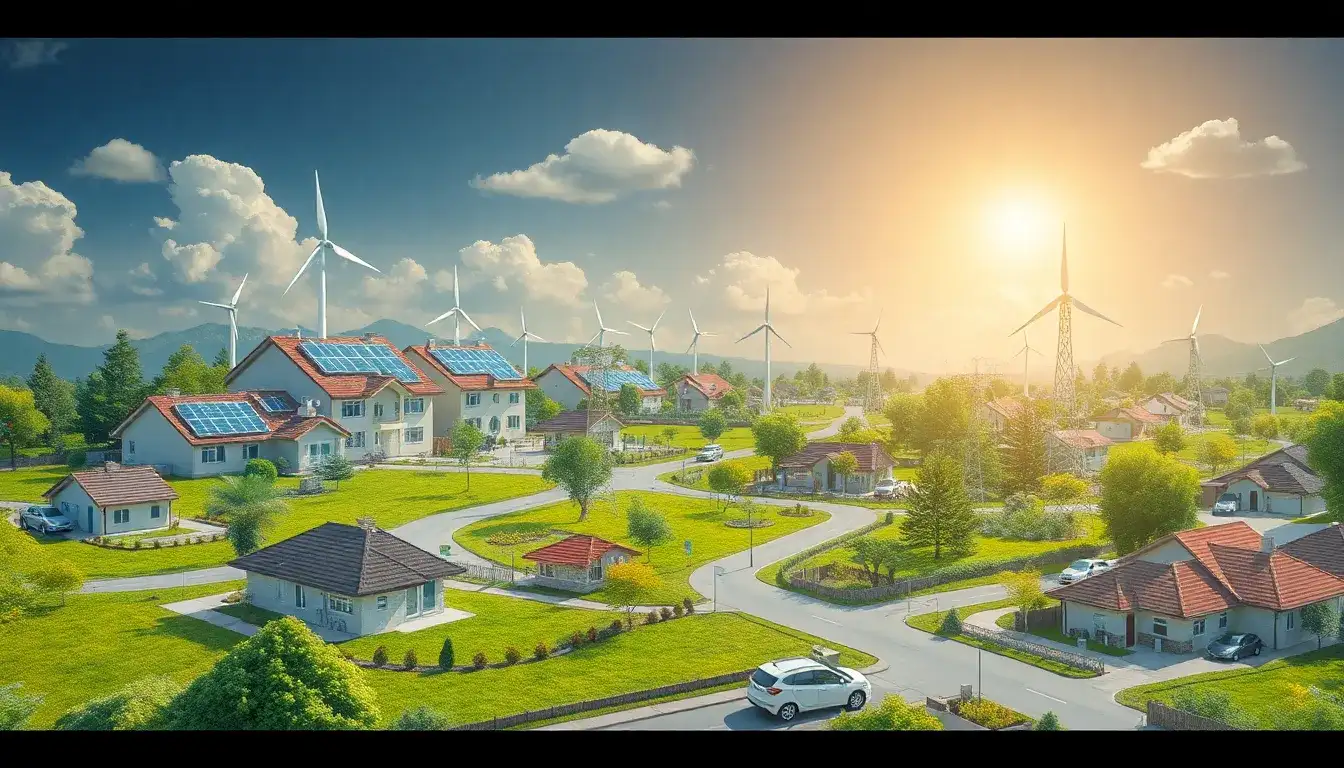
Distributed Energy Resources (DERs) play a crucial role in enhancing grid stability and reducing the need for long-range electricity transmission by several key mechanisms:
Contribution to Grid Stability
- Reduced Peak Demand: DERs can mitigate peak demand spikes by providing localized power generation and storage, thereby reducing the strain on the main grid during peak periods.
- Flexibility and Resilience: DERs offer flexibility in energy supply, allowing for real-time adjustments to match demand fluctuations and enhance grid resilience. They can provide essential services such as backup power and voltage support.
- Modeling and Forecasting: Improved modeling and forecasting techniques are being developed to account for the decentralized nature of DERs, helping to predict and manage grid conditions more effectively.
- Market Participation: DERs can participate in wholesale and retail energy markets by providing grid services, further stabilizing the grid through aggregated actions.
Reduction in Long-Range Electricity Transmission
- Localized Generation: By generating electricity closer to the point of consumption, DERs reduce the need for long-distance transmission, minimizing energy losses associated with transmission and enhancing efficiency.
- Reduced Grid Congestion: DERs can alleviate grid congestion by managing supply and demand at a local level, reducing the pressure on transmission lines and preventing overloads during peak periods.
- Increased Efficiency: With less reliance on centralized generation and long-distance transmission, DERs contribute to a more efficient energy distribution system, especially when combined with advanced smart grid technologies.
Despite these advantages, the integration of DERs into existing grid infrastructure poses challenges such as complex grid integration, energy storage management, and regulatory hurdles, which require concerted efforts from stakeholders to overcome.
Original article by NenPower, If reposted, please credit the source: https://nenpower.com/blog/how-can-distributed-energy-resources-contribute-to-grid-stability-and-reduce-the-need-for-long-range-electricity-transmission/

