

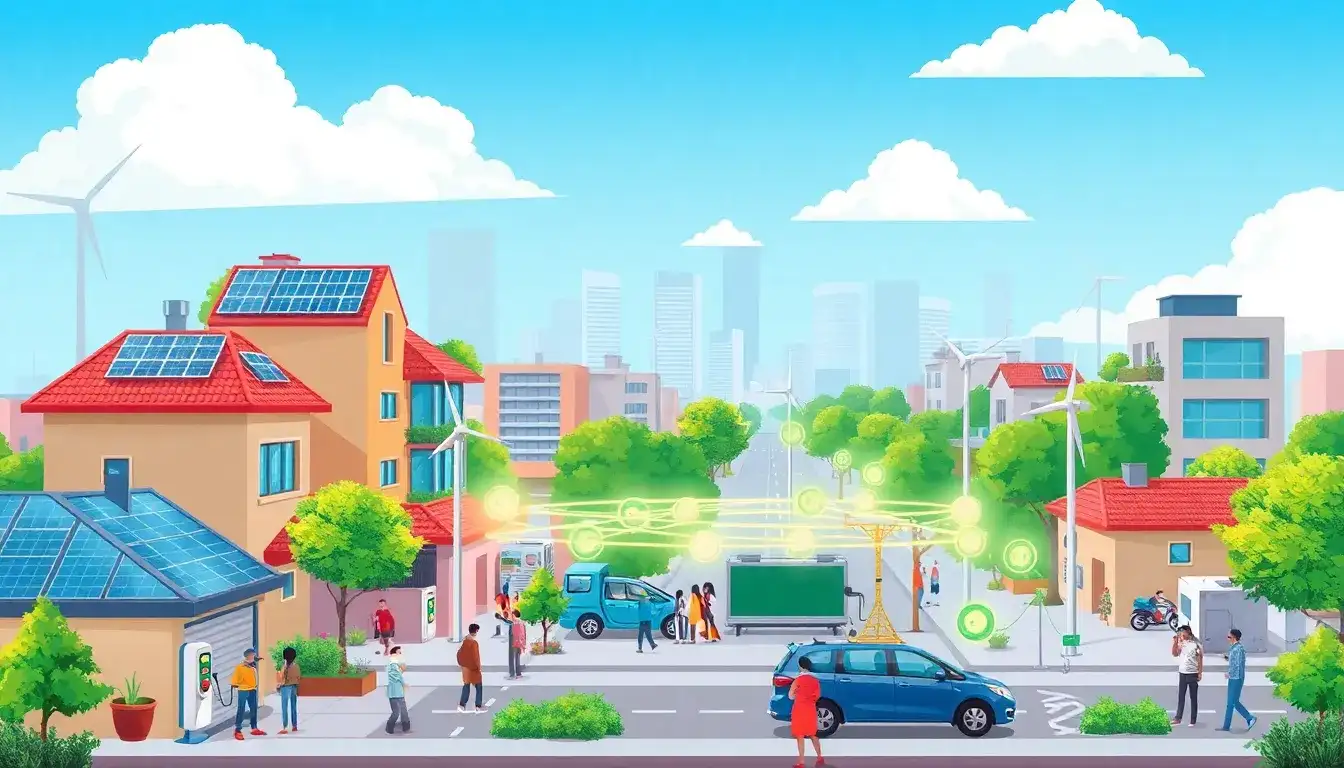
Benefits of DERs for Grid Stability
- Reducing Transmission Losses: DERs, such as solar and wind power, generate energy close to the point of consumption, thereby reducing the need for long-distance electricity transmission. This proximity minimizes energy losses during transmission, which can improve overall grid efficiency.
- Demand Flexibility and Load Shedding: DERs can help utilities manage peak demand periods more effectively through load-shifting actions. Technologies like smart meters and demand response systems allow for real-time adjustments, conserving energy and optimizing costs to prevent overloads on the grid.
- Grid Resilience: DERs enhance grid resilience by providing localized power during outages or natural disasters. This ability to maintain power supply even when the main grid fails ensures continued energy availability for critical infrastructure and communities.
- Real-Time Adjustments: DERs can be rapidly deployed and scaled to match fluctuating energy demands, thereby supporting grid stability. This flexibility is crucial in managing sudden changes in energy supply or demand.
Challenges in Integrating DERs
Despite their benefits, integrating DERs into the grid poses challenges, such as:
- Grid Integration Complexity: DERs require smart grid technologies and infrastructure upgrades to accommodate their bidirectional power flow, which contrasts with traditional one-way transmission systems.
- Energy Storage and Management: Intermittent sources like solar and wind need effective energy storage solutions to ensure a stable power supply during periods of low generation.
- Data Privacy and Security: Managing DERs involves significant data exchange, raising concerns about data privacy and grid cybersecurity.
Solutions for Effective Integration
To overcome these challenges and maximize the benefits of DERs, various solutions are being developed:
- Advanced Management Systems: Technologies like Distributed Energy Resource Management Systems (DERMS) enable utilities to efficiently manage DERs, enhancing grid flexibility and resilience.
- Smart Technologies: Innovations such as smart charging systems for electric vehicles and intelligent grid-edge automation improve the integration and management of DERs.
In summary, while DERs offer substantial advantages in stabilizing the grid, their successful integration requires addressing technical and regulatory challenges through innovative technologies and collaboration among stakeholders.
Original article by NenPower, If reposted, please credit the source: https://nenpower.com/blog/how-can-distributed-energy-resources-contribute-to-grid-stability/

